
Wearable health technology has moved far beyond counting steps. In 2026, the devices on your wrist, finger, or even embedded in your clothing can track blood oxygen levels, heart rate variability, skin temperature trends, sleep architecture, and early signs of metabolic changes. The technology is genuinely useful now — but knowing what data matters and how to act on it is the difference between useful health insight and anxious number-watching.
Here is what wearable health monitoring can actually do for you, what the data means, and how to use it without driving yourself crazy.
The Health Metrics That Actually Matter
Modern wearables track dozens of metrics, but not all are equally actionable. These are the ones that provide genuine health value for most people.
Heart Rate Variability Is Your Stress Barometer
Heart rate variability, or HRV, measures the variation in time between each heartbeat. Counterintuitively, higher variability is better — it indicates your nervous system is flexible and resilient. Low HRV can signal stress, poor recovery, illness onset, or overtraining.
HRV is most useful as a trend over weeks and months rather than a single number. Track your baseline and watch for sustained drops. A consistently declining HRV might prompt you to prioritize sleep, reduce training intensity, or address stress sources before they become bigger problems.
Blood Oxygen Tells You About Sleep and Altitude
Blood oxygen saturation, or SpO2, measures how efficiently your blood carries oxygen. Normal levels are 95 to 100 percent. Consistent dips below 90 percent during sleep can indicate sleep apnea — a condition that affects an estimated one billion people worldwide, most of them undiagnosed.
If your wearable flags repeated overnight SpO2 drops, that data is genuinely worth bringing to a doctor. Many people have discovered sleep apnea through wearable alerts and gotten treatment that dramatically improved their energy and long-term health.
Skin Temperature Reveals Recovery and Illness
Skin temperature tracking has become remarkably accurate in ring-style and wrist-based wearables. Your baseline skin temperature shifts predictably with your circadian rhythm, and deviations can signal several things.
A sustained temperature increase of half a degree or more can appear 24 to 48 hours before you feel symptoms of illness. Temperature patterns also track with menstrual cycles, recovery from intense exercise, and even jet lag adaptation.
Resting Heart Rate Is Your Fitness Baseline
Your resting heart rate measured first thing in the morning is one of the simplest and most reliable health indicators. A lower resting heart rate generally indicates better cardiovascular fitness. More importantly, sudden increases in your resting heart rate can flag illness, overtraining, dehydration, or accumulated stress.
Beyond the Wrist: New Form Factors Changing the Game
Smart Rings Are Having a Moment
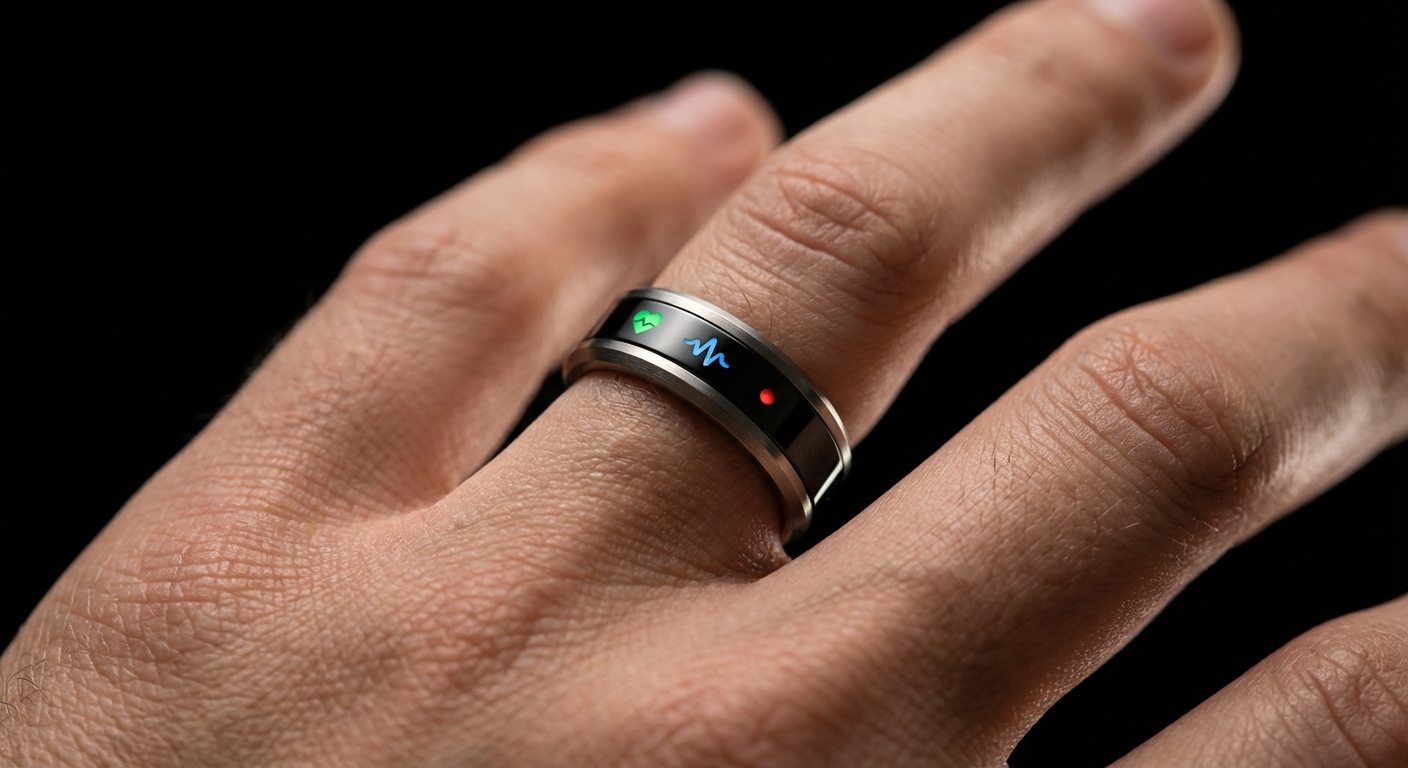
Smart rings have surged in popularity because they solve the biggest problem with wrist-based wearables: people do not want to wear a chunky device to bed. Rings are lightweight, unobtrusive, and often more accurate for nighttime measurements because fingers have strong blood flow close to the surface.
The trade-off is a smaller battery — most last three to seven days — and no screen for real-time feedback. If your priority is sleep and recovery tracking, a ring is often the better choice. If you want real-time workout data, a wrist device has the edge.
Continuous Glucose Monitors Go Mainstream
Once reserved for diabetes management, continuous glucose monitors are now marketed to the general wellness market. These small adhesive sensors track how your blood sugar responds to meals, exercise, and stress throughout the day.
The insight can be genuinely useful. Many people discover that foods they assumed were healthy cause significant blood sugar spikes, while their actual responses to meals are highly individual. This data lets you optimize your diet based on your body's actual responses rather than generic dietary guidelines.
Clothing-Embedded Sensors
Smart fabrics with embedded sensors are moving from research labs to consumer products. These garments can track muscle activity, posture, breathing patterns, and movement mechanics without any additional device. They are particularly valuable for athletes working on form and for people managing chronic pain or rehabilitation.
How to Use Health Data Without Obsessing
Focus on Trends, Not Single Readings
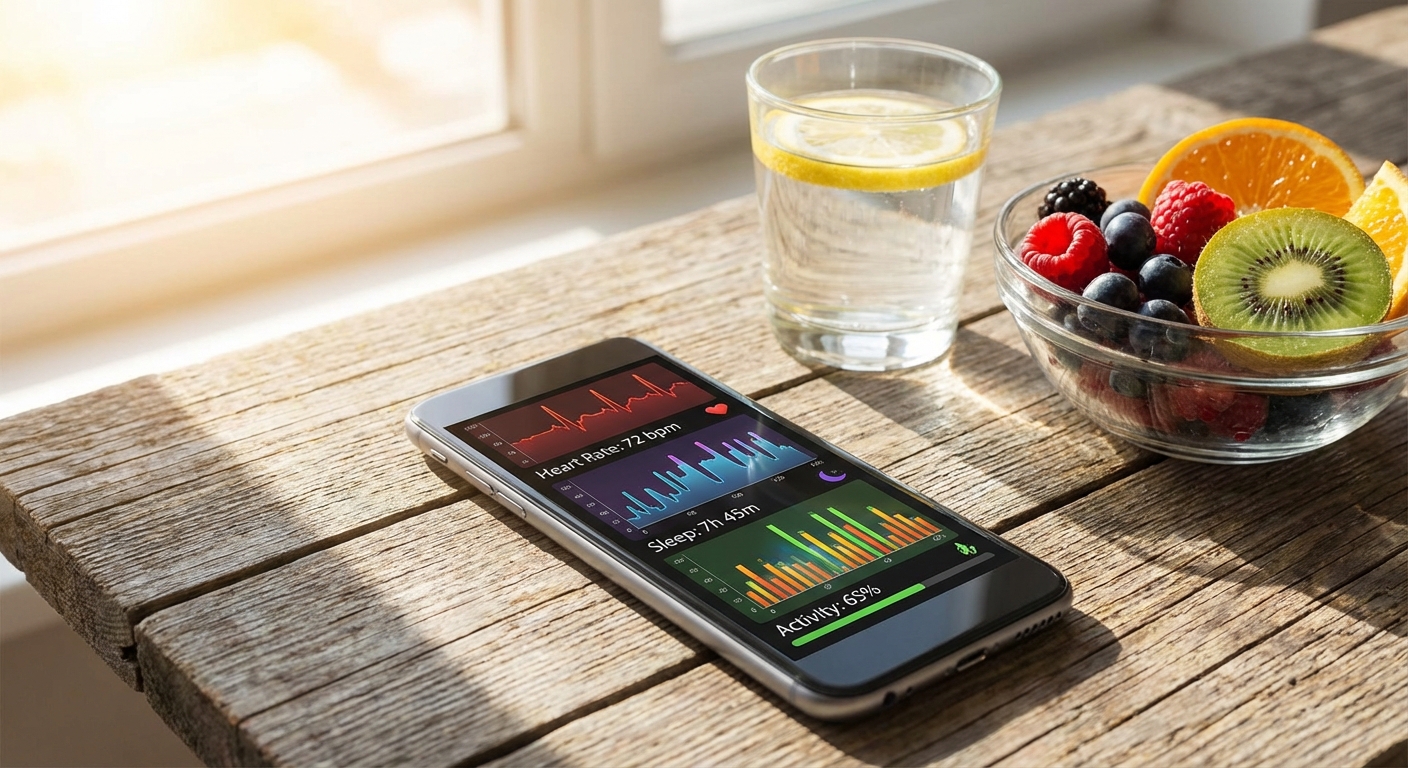
A single low HRV reading or one night of poor sleep data does not mean something is wrong. Bodies fluctuate naturally. The valuable signal is in trends over days and weeks. Set your app to show weekly and monthly averages rather than checking numbers multiple times a day.
Set Meaningful Alerts, Disable the Rest

Most wearable apps let you customize which notifications you receive. Turn off the congratulatory badges and step-count nudges if they annoy you. Keep alerts for genuinely actionable items — like significant SpO2 drops during sleep, unusually elevated resting heart rate, or temperature deviations that might signal illness.
Use Data to Have Better Doctor Conversations
One of the most powerful uses of wearable health data is bringing it to medical appointments. Three months of sleep data showing repeated oxygen desaturation is far more useful to a doctor than saying you feel tired. Trends in resting heart rate, HRV, and activity levels provide context that a single office visit cannot capture.
That said, wearable data is not a diagnosis. It is a screening tool and a conversation starter. Let your healthcare provider interpret the clinical significance.
Take Rest Weeks From Data
If you find yourself anxiously checking your health metrics multiple times a day, take a break. Put the device in a drawer for a week. The goal is to use data as a tool for better decisions, not as a source of health anxiety. If tracking is making you more stressed, it is working against your health rather than for it.
Getting Started With Health Monitoring
If you are new to wearable health tracking, start simple. Pick one or two metrics that align with a specific health goal. If you want to improve sleep, track sleep stages and SpO2. If you are training for an event, focus on HRV and resting heart rate for recovery optimization.
Give yourself at least two weeks to establish a baseline before trying to interpret the data. And remember that the most expensive wearable in the world is useless if it sits in a drawer because it is uncomfortable. Prioritize a device you will actually wear consistently — that matters more than having the most advanced sensor suite available.