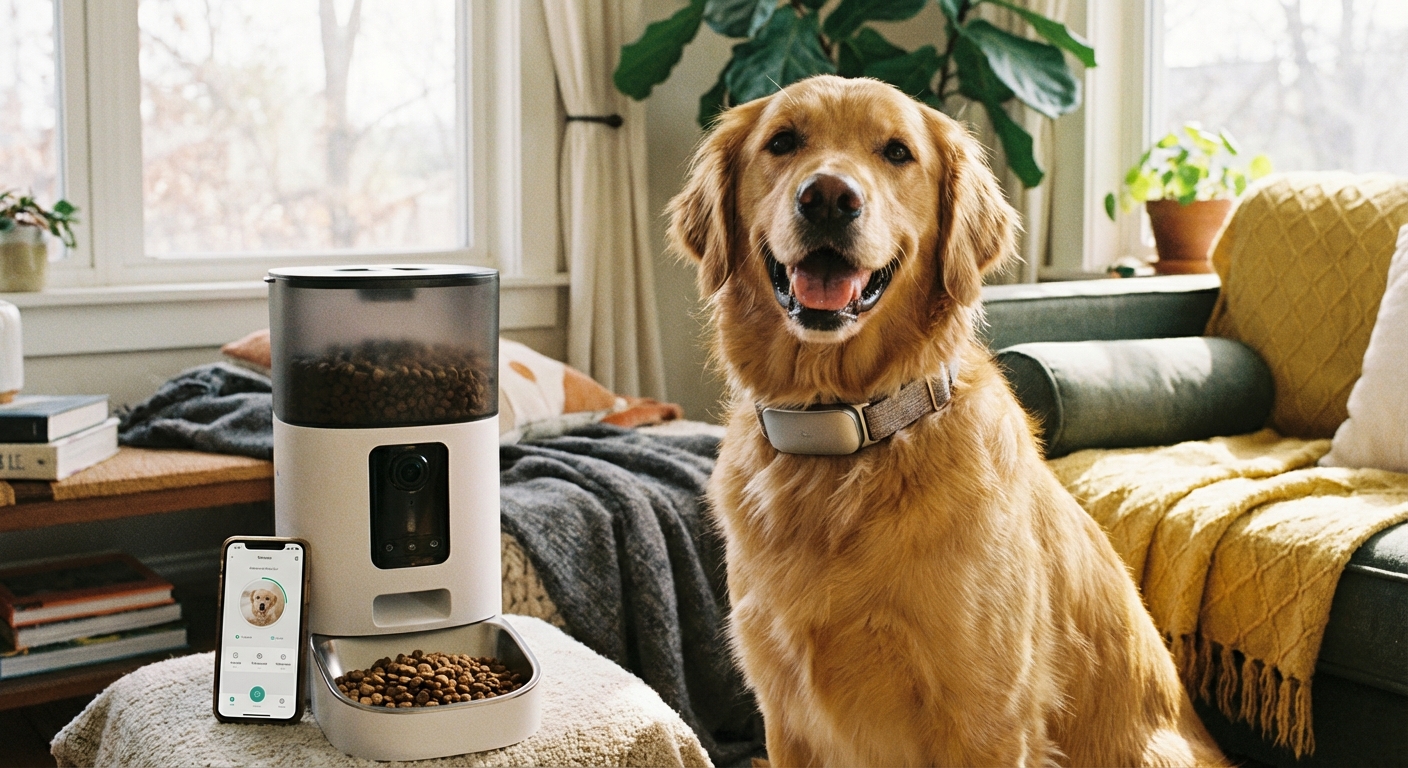
The Rise of Smart Pet Technology
Pet technology has quietly become one of the fastest-growing consumer categories. The global pet tech market is now valued at over nineteen billion dollars, and it is projected to more than double within the next decade. But what is actually driving this boom, and which devices are worth paying attention to?
The answer lies in a simple shift: pet owners increasingly see their animals as family members and want the same connected, data-driven care for them that they expect for themselves. From feeders that track caloric intake to collars that monitor heart rate, the pet tech ecosystem has matured significantly.
This guide breaks down the major categories of smart pet devices, explains what they actually do, and helps you figure out which ones make sense for your household.
Automated Feeders: More Than Just a Timer
Smart pet feeders have evolved far beyond the basic gravity-fed dispensers of a few years ago. Modern automated feeders connect to your phone, let you set precise portion sizes, and even dispense food on a custom schedule based on your pet's dietary needs.
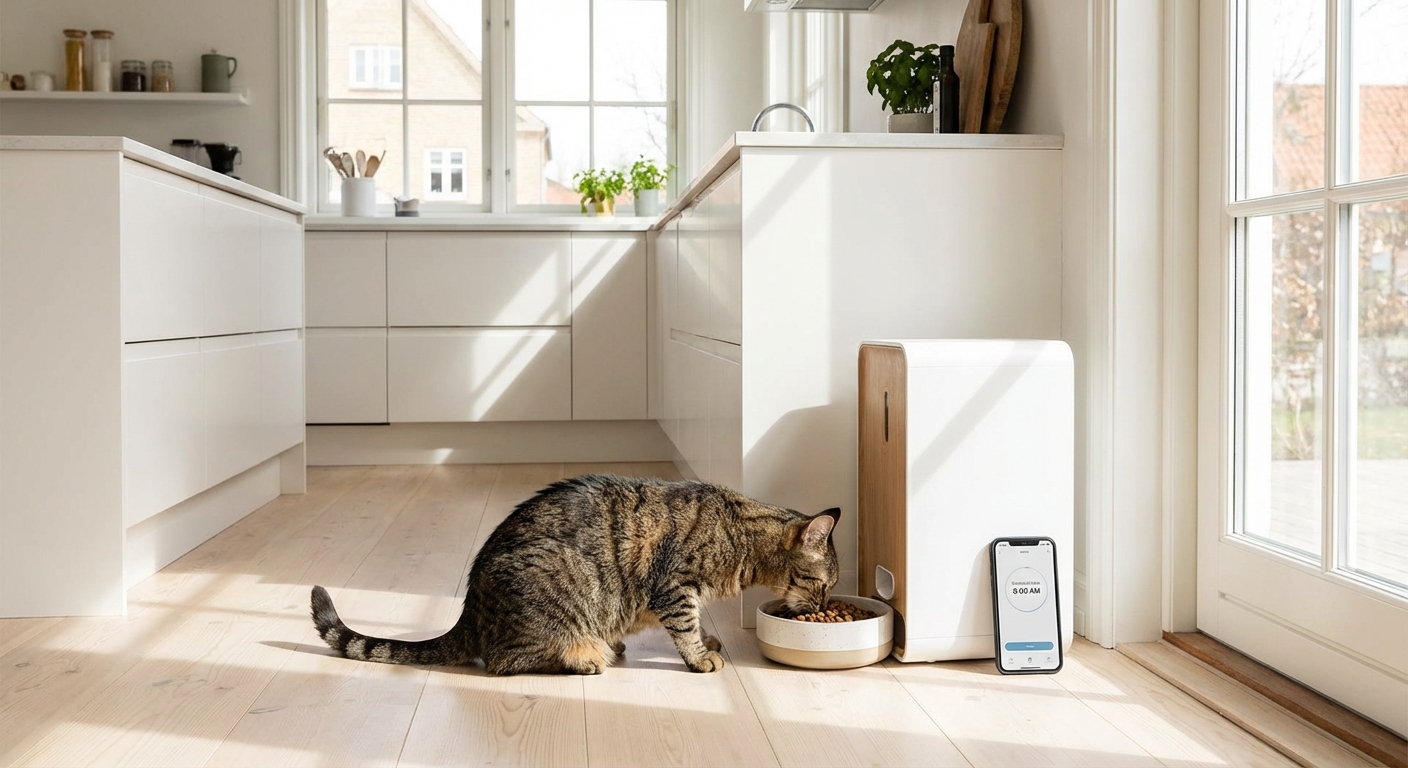
What to look for in a smart feeder:
- Portion control — The best feeders let you set exact gram or cup measurements per meal, which is critical for pets on weight management plans or prescription diets
- Scheduling flexibility — Look for feeders that support multiple meals per day with different portion sizes for each
- Camera and microphone — Many feeders now include a built-in camera so you can check in on mealtime remotely and even talk to your pet through the device
- Multi-pet support — If you have more than one animal, some feeders use microchip or collar-tag recognition to ensure each pet gets the right food and the right amount
- Backup power — A battery backup is essential so feeding schedules continue during power outages
Automated feeders are especially useful for pet owners with irregular work schedules, frequent travelers, or anyone managing a pet with a medical condition that requires precise feeding intervals.
GPS Trackers and Smart Collars
GPS pet trackers have gone from a niche curiosity to a mainstream must-have for many dog and cat owners. These small devices attach to your pet's collar and provide real-time location tracking through a companion app on your phone.
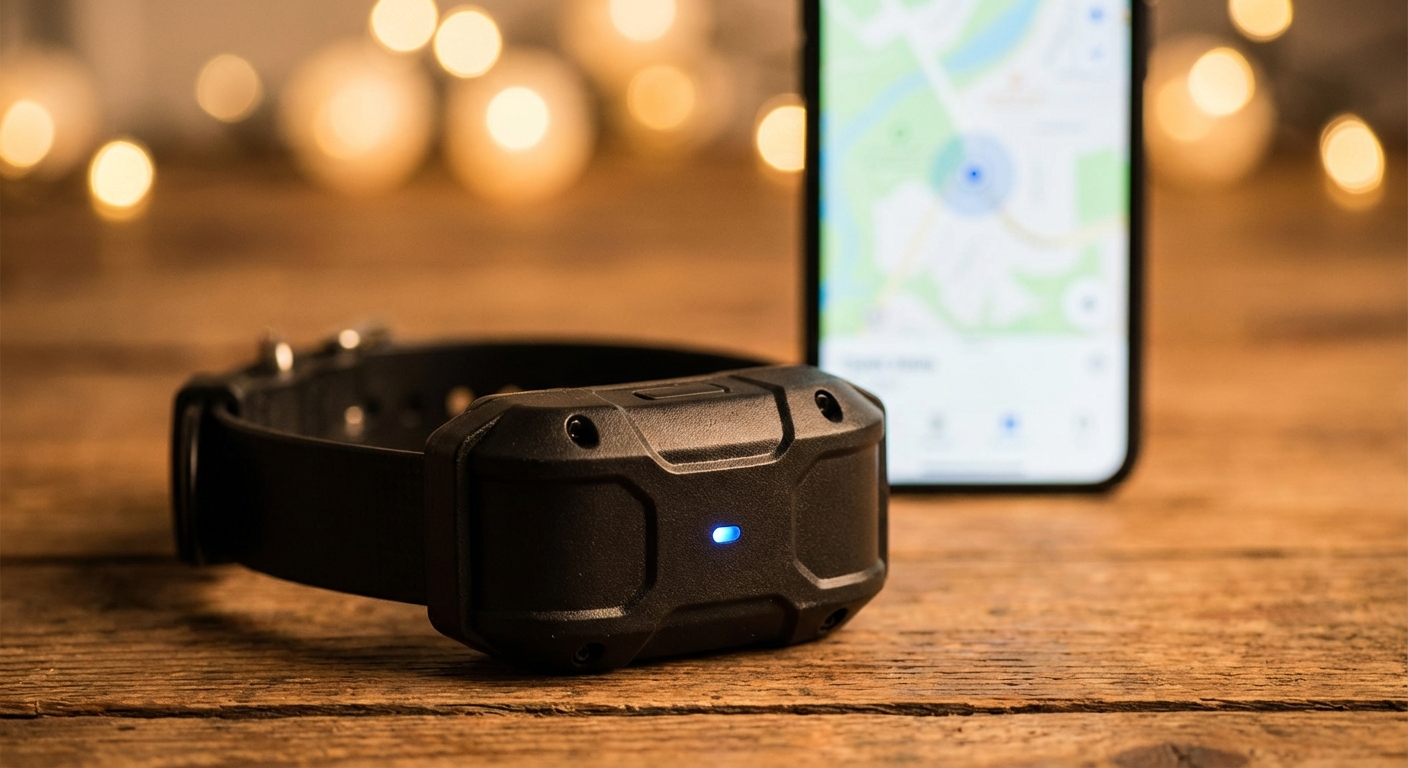
Key features to compare:
- Real-time tracking vs. periodic updates — Some trackers update location every few seconds, while budget options only ping every few minutes. For pets that are fast or unpredictable, real-time tracking is worth the premium
- Geofencing — This feature lets you set a virtual boundary around your yard or neighborhood and sends an alert the moment your pet crosses it
- Activity monitoring — Most modern GPS collars also track steps, rest time, and overall activity levels, giving you a daily fitness snapshot
- Battery life — This varies enormously, from a few days to several weeks depending on tracking frequency and device size
- Subscription costs — Nearly all GPS trackers require a monthly cellular data plan, typically ranging from three to ten dollars per month
- Waterproofing — Essential if your pet swims or gets caught in the rain regularly
GPS trackers provide genuine peace of mind for owners of escape-prone dogs, outdoor cats, or any pet that spends time off-leash in unfenced areas.
Health Monitoring Devices
Perhaps the most exciting frontier in pet tech is health monitoring. Just as wearable health devices have transformed human wellness, a similar revolution is underway for pets.
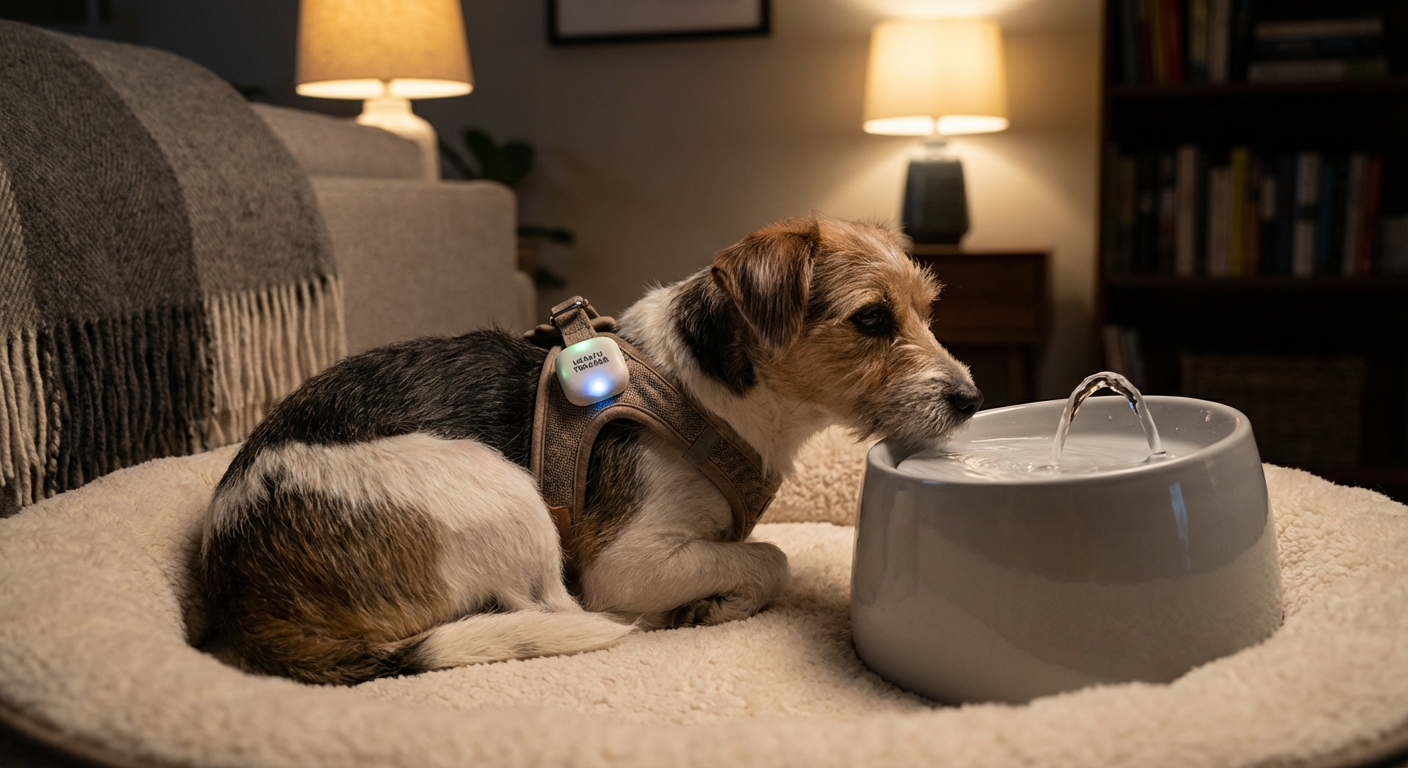
What pet health monitors can track:
- Heart rate and respiratory rate — Some smart collars and clip-on sensors can continuously monitor your pet's vital signs and flag anomalies
- Temperature — Early detection of fever or hypothermia can be lifesaving, especially for breeds prone to temperature sensitivity
- Sleep patterns — Understanding how much and how well your pet sleeps can reveal early signs of pain, anxiety, or illness
- Activity changes — A sudden drop in activity or a change in gait can indicate joint problems, injury, or other health issues before they become obvious
- Weight trends — Smart pet scales and some feeders track weight over time, making it easy to catch gradual changes that you might miss visually
The real value of health monitors is not in the data itself but in the trend analysis. A single heart rate reading means little, but weeks of data showing a gradual increase can prompt a vet visit that catches a problem early.
Smart Water Fountains and Hydration Tracking
Dehydration is a common and often overlooked health issue in pets, especially cats. Smart water fountains encourage drinking by circulating and filtering water continuously, and some newer models track how much your pet drinks each day.
Why this matters: Cats in particular are notorious for not drinking enough water, which can lead to urinary tract and kidney problems. A fountain that tracks consumption and sends alerts when intake drops below normal can help you catch hydration issues before they become medical emergencies.
Look for fountains with multi-stage filtration, quiet motors, and easy-to-clean designs. The tracking feature is a nice bonus, but the primary benefit of any pet fountain is simply that moving water encourages pets to drink more.
How to Choose the Right Devices for Your Pet
With so many options available, it is easy to over-buy or invest in features you will never use. Here is a practical framework for deciding what makes sense:
Start with your biggest concern. If your cat tends to wander, a GPS tracker is the obvious first purchase. If your dog is on a strict diet, a smart feeder with portion control should be the priority. Match the technology to the problem you are actually trying to solve.
Consider your pet's size and temperament. Some GPS trackers are too heavy for small cats. Some feeders are easily knocked over by large dogs. Check weight limits and durability ratings before buying.
Think about ongoing costs. Many smart pet devices require subscriptions for cloud storage, GPS data plans, or premium app features. Factor these into your budget alongside the upfront device cost.
Check veterinary integration. Some health monitoring platforms allow you to share data directly with your vet, which can make checkups more productive and help with remote consultations.
Do not replace vet visits with technology. Smart monitors are supplements to professional veterinary care, not substitutes. They can help you spot trends and catch issues early, but diagnosis and treatment still require a qualified veterinarian.
What Is Coming Next
The pet tech industry shows no signs of slowing down. Emerging trends include AI-powered behavior analysis that can detect signs of stress or illness from video footage, smart litter boxes that analyze waste for health markers, and integration between pet devices and broader smart home ecosystems.
The most promising development may be the shift toward preventive care powered by continuous monitoring. Rather than waiting for symptoms to appear, the next generation of pet tech aims to identify health risks weeks or months before they become clinical problems.
For now, the fundamentals remain the same: choose devices that solve real problems for your specific pet, prioritize reliability over flashy features, and remember that the best technology is the kind you actually use consistently.