The Quiet Revolution in How We Sleep
Sleep technology used to mean one thing: a wristband that told you how poorly you slept last night. Useful information, perhaps, but not exactly actionable at 7 AM when the damage was already done.
That era is over. The latest generation of sleep technology has shifted from passive observation to active intervention — devices that do not just measure your sleep but actively improve it in real time. Smart mattresses adjust temperature throughout the night. Light systems simulate natural sunrise to align your circadian rhythm. Sound devices mask disruptive noise with personalized audio environments. And wearables have become sophisticated enough to detect sleep stages and trigger environmental adjustments automatically.
With over a billion dollars in venture capital flowing into sleep tech this year alone, the category is experiencing its most significant leap forward. Here is what is actually changing and what you should know before investing in any of it.
From Passive Tracking to Active Control
The fundamental shift in sleep technology is the move from data collection to real-time response.
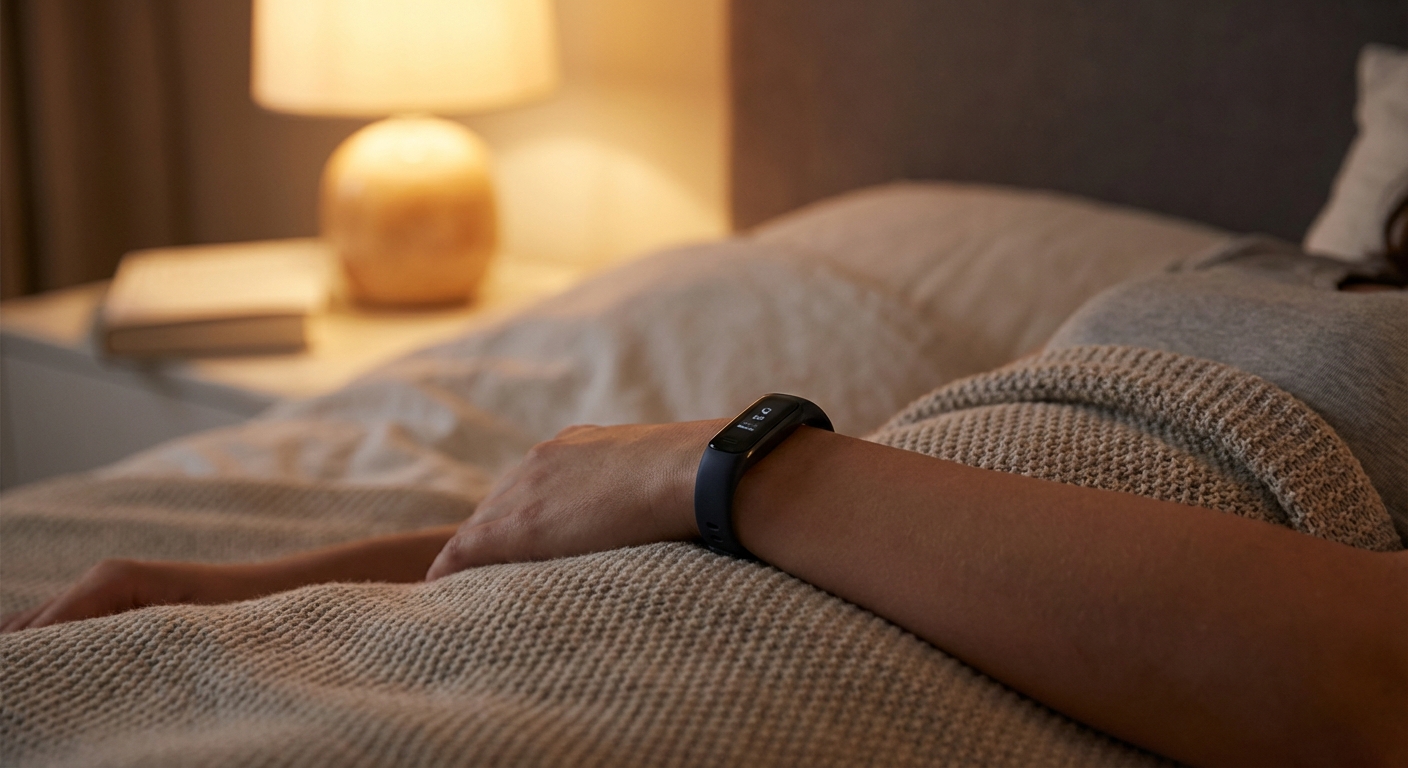
First-generation sleep trackers (roughly 2015-2022) were essentially motion sensors strapped to your wrist. They measured how much you moved during the night and estimated sleep duration and quality. The data was interesting but passive — it told you what happened after the fact, leaving you to figure out what to do about it.
Second-generation devices (2022-2024) added more sophisticated sensors. Heart rate variability, blood oxygen levels, skin temperature, and respiration rate gave a fuller picture of sleep architecture. These devices could distinguish between light sleep, deep sleep, and REM cycles with reasonable accuracy. But they were still observers, not participants.
Current-generation sleep tech closes the loop. Instead of just monitoring, these systems take action. A smart mattress detects that your core temperature is rising during deep sleep and automatically cools the surface by two degrees. A bedside device notices you entering lighter sleep stages and adjusts its white noise profile. A light panel begins emitting warm amber tones thirty minutes before your target bedtime, then gradually dims to darkness as you fall asleep.
This closed-loop approach — sense, analyze, act — is what distinguishes today's sleep technology from everything that came before.
The Four Pillars of Modern Sleep Tech
Today's sleep technology operates across four key environmental factors, each backed by sleep research.
Temperature Regulation
Body temperature is one of the strongest drivers of sleep quality. Your core temperature naturally drops by about one to two degrees as you fall asleep, and maintaining a cool sleeping environment (around 65 to 68 degrees Fahrenheit) is consistently recommended by sleep researchers.
Smart mattress systems now use water-based or air-based cooling layers that adjust temperature throughout the night. Some systems warm the bed slightly before you get in (making it inviting) then cool it progressively as you enter deep sleep, and gently warm it again before your wake time to promote natural arousal.
Light Management
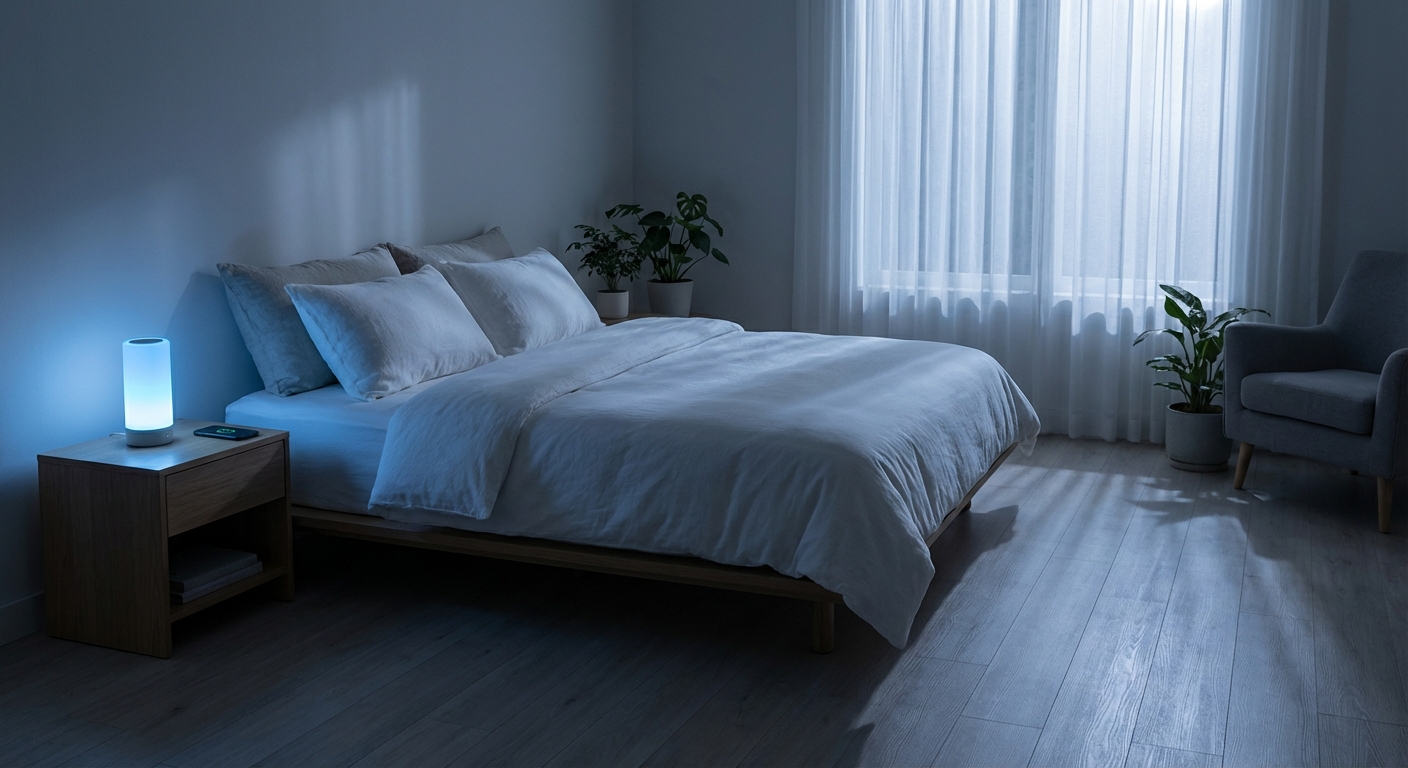
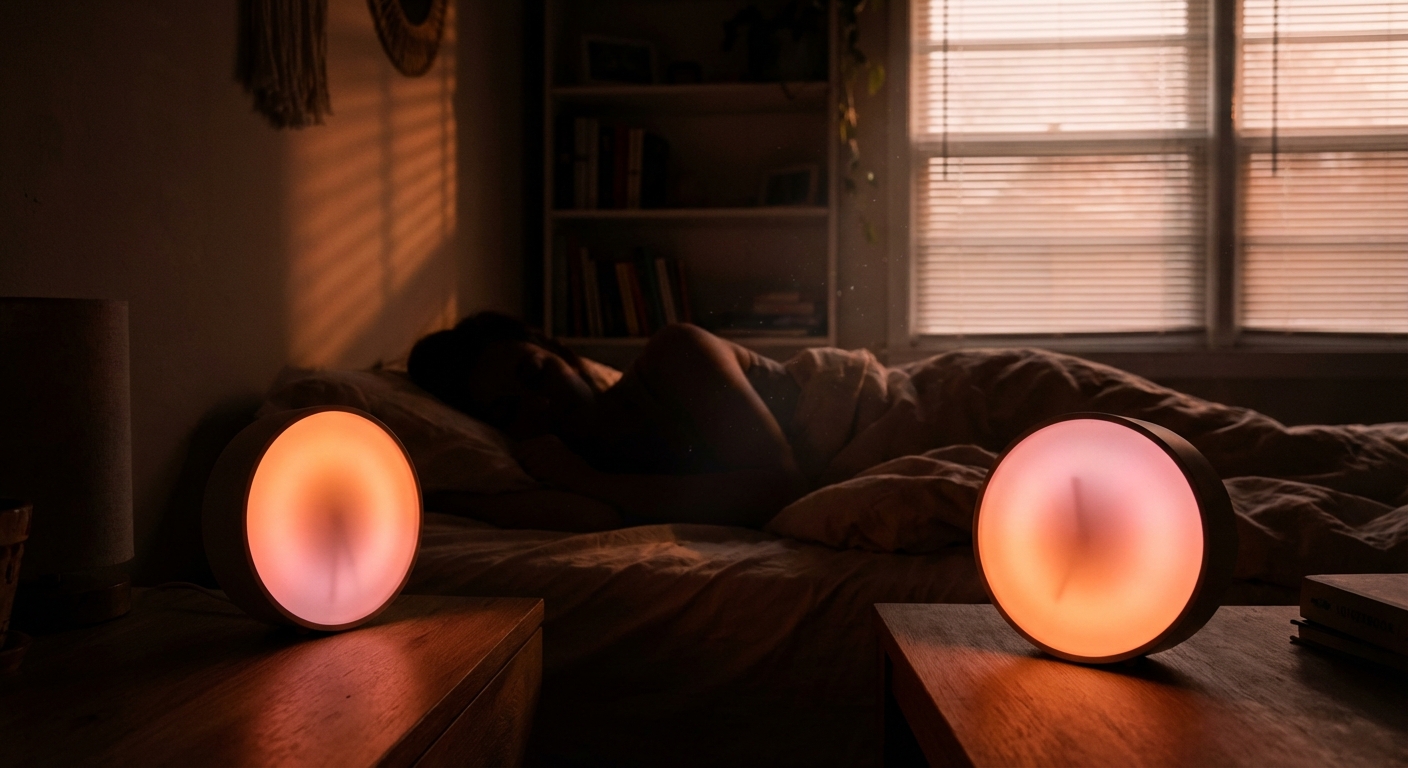
Light is the primary signal your body uses to regulate its circadian clock. Exposure to blue-enriched light in the evening suppresses melatonin production, delaying sleep onset. Conversely, warm amber light in the evening and bright blue-enriched light in the morning helps align your internal clock with your desired schedule.
Sunrise simulation devices have become remarkably sophisticated. Rather than a simple orange bulb that clicks on, current systems gradually increase brightness over 20 to 45 minutes, shifting from deep red through warm amber to bright daylight-spectrum white. Research consistently shows that sunrise simulation improves morning alertness and mood compared to traditional alarms, particularly during winter months when natural morning light is scarce.
Sound Environment
Noise disruption is one of the most common and underappreciated sleep killers. Even sounds that do not fully wake you — a car passing, a partner shifting, a heating system clicking — can pull you from deep sleep into lighter stages, reducing sleep quality without your awareness.
Modern sound masking devices go beyond simple white noise machines. They offer a range of noise profiles (white, pink, brown) and adaptive masking that adjusts volume and frequency in response to detected ambient noise. Some systems incorporate binaural beats or isochronic tones designed to encourage specific brainwave patterns associated with deep sleep.
Air Quality
This is the newest frontier in sleep technology. Bedroom air quality — including carbon dioxide levels, humidity, volatile organic compounds, and particulate matter — can significantly impact sleep quality. Elevated CO2 levels in poorly ventilated bedrooms have been shown to reduce cognitive performance the following day.
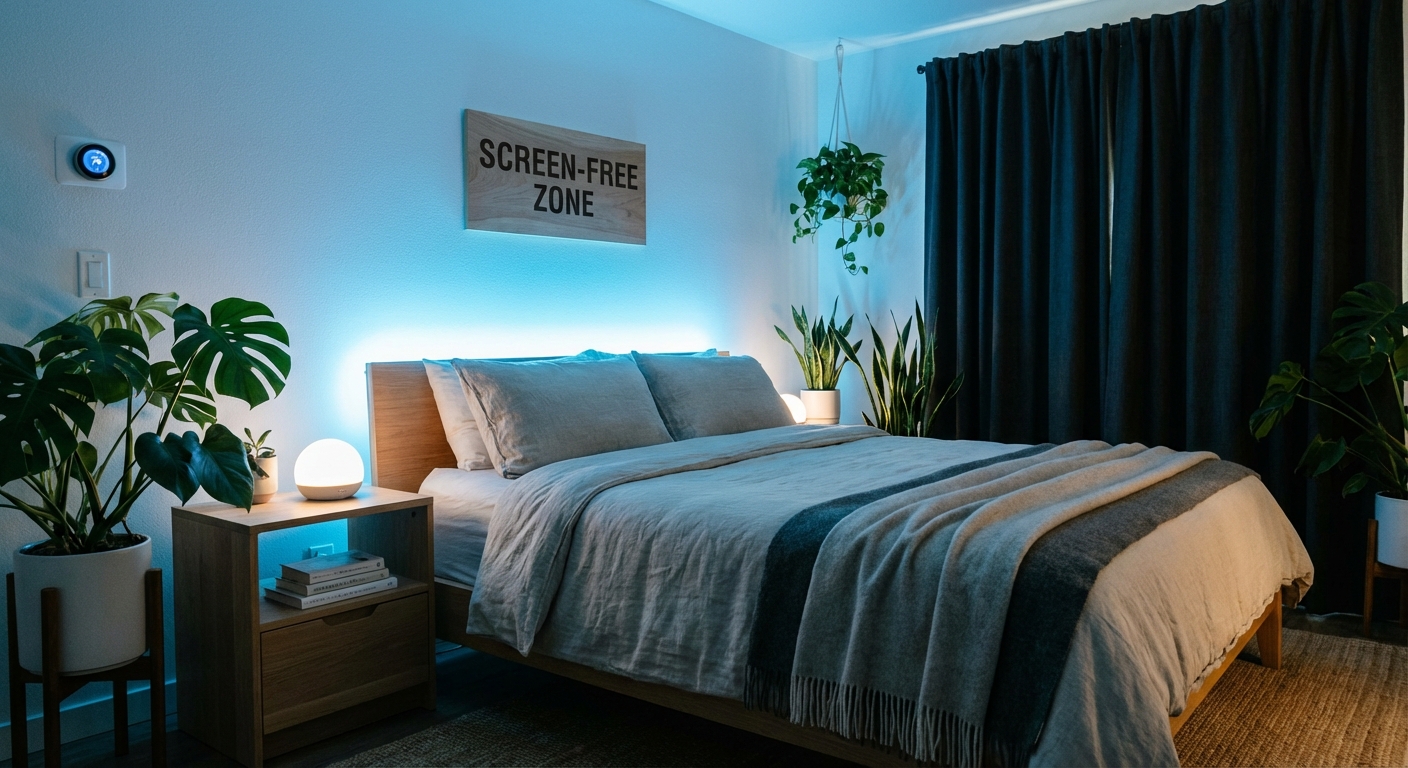
Integrated bedroom air monitors can now track these variables in real time and trigger ventilation fans, humidifiers, or air purifiers automatically. Some systems connect with smart thermostats to manage both temperature and air circulation as a unified sleep environment.
What to Look for When Choosing Sleep Tech
The sleep technology market is crowded, and not every device delivers on its promises. Here are the factors that matter most.
Closed-loop capability matters more than sensor count. A device that measures twelve biometrics but does nothing with the data is less useful than one that measures three and actively responds to them. Look for systems that adjust your environment automatically based on real-time readings rather than just producing morning reports.
Interoperability is increasingly important. The most effective sleep setups combine multiple devices — a wearable tracker communicating with a smart mattress and a light system. Check whether devices use open protocols or only work within their own proprietary ecosystem.
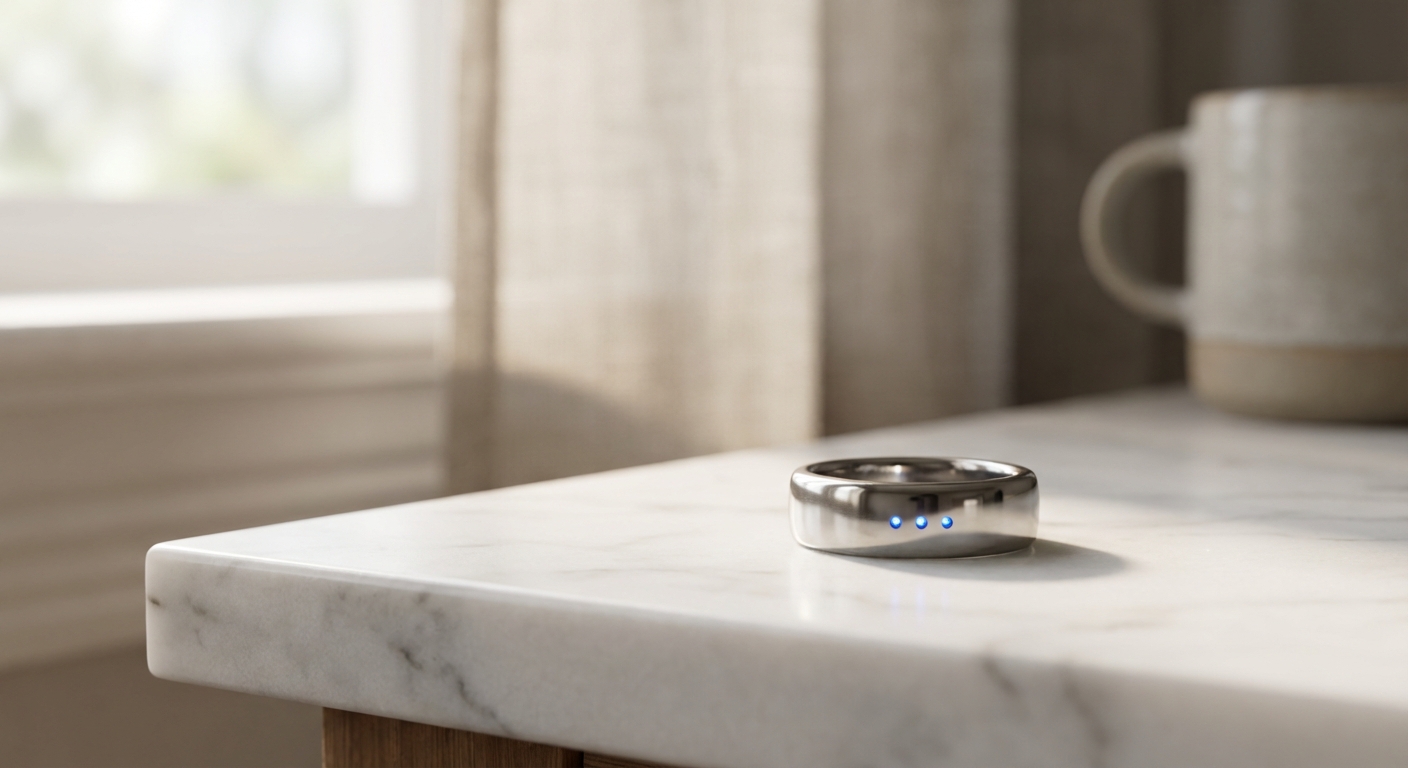
Non-invasive wins long-term. Sleep trackers you wear on your body can themselves disrupt sleep. Contactless alternatives — radar-based sensors that sit on the nightstand or pressure sensors embedded in the mattress — provide comparable data without the discomfort. If you are sensitive to wearing anything while sleeping, prioritize contactless options.
Do not overlook the basics. No amount of technology can compensate for a poor foundation. A supportive mattress, breathable bedding, and adequate room darkening remain the most cost-effective sleep investments. Technology works best as an enhancement to good sleep hygiene, not a replacement for it.
The Hybrid Approach: Tech Plus Habits
The most effective sleepers in 2026 are not choosing between technology and traditional sleep hygiene — they are combining both. A consistent wind-down routine amplified by automated dimming lights. A cool bedroom maintained precisely by a smart mattress system. A regular wake time reinforced by sunrise simulation.
The technology handles the environmental variables you cannot easily control manually. Your habits handle the behavioral and psychological factors that no device can manage for you. Together, they create a sleep system that is greater than the sum of its parts.
The goal is not to become dependent on technology for something as natural as sleep. It is to use technology strategically to remove friction, optimize your environment, and let your body do what it already knows how to do — rest, recover, and restore.