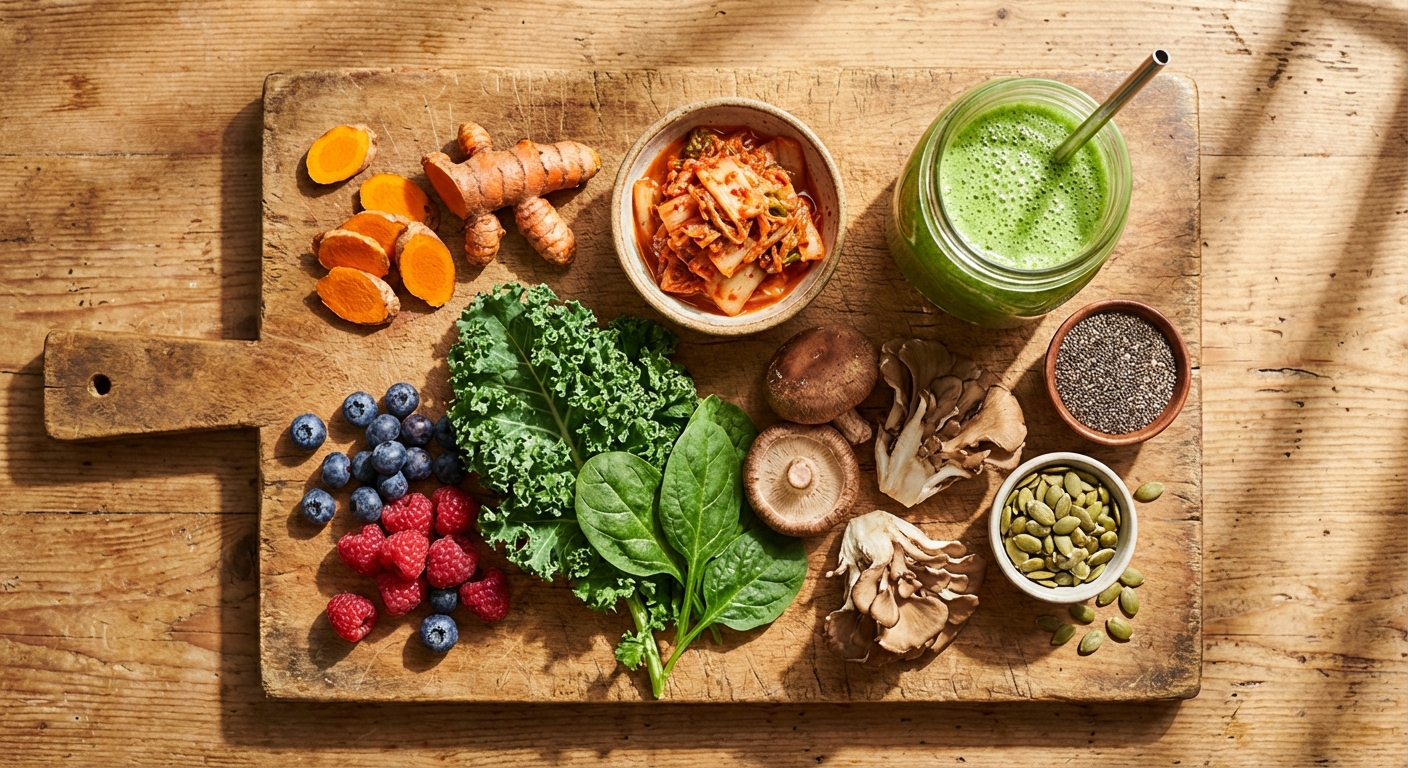
Fiber Is Having Its Main Character Moment
Every year has its breakout nutrient. Protein dominated the conversation for years. Collagen had its turn. In 2026, fiber has finally stepped into the spotlight — and this time, the hype is backed by serious science.
The trend even has a name: fibermaxxing. Coined in online wellness communities and quickly picked up by nutritionists and food brands alike, fibermaxxing is the deliberate effort to maximize fiber intake throughout the day. It is showing up in grocery aisles, restaurant menus, and social media feeds, and for once, a nutrition trend is something nearly every expert agrees we need more of.
Why Fiber Matters More Than You Think
Most people know fiber is "good for digestion." That is true, but it barely scratches the surface. Dietary fiber plays a role in nearly every major system in your body:
- Gut microbiome health — Fiber is the primary fuel for beneficial gut bacteria. These microbes ferment fiber into short-chain fatty acids, which reduce inflammation, strengthen the gut lining, and support immune function.
- Blood sugar regulation — Soluble fiber slows the absorption of sugar, preventing the sharp spikes and crashes that lead to energy dips and long-term metabolic issues.
- Heart health — High fiber intake is consistently linked to lower cholesterol levels and reduced risk of cardiovascular disease.
- Satiety and weight management — Fiber-rich foods take longer to digest, keeping you fuller for longer and naturally reducing overall calorie intake.
- Longevity — Large-scale studies have repeatedly found that higher fiber intake is associated with lower all-cause mortality.
Despite all this, the average adult in many Western countries eats roughly half the recommended daily amount. The gap between what we eat and what we should eat is enormous, and that is exactly why fibermaxxing has struck a chord.
The Two Types of Fiber You Need
Not all fiber is the same, and understanding the difference matters for getting the full benefit.
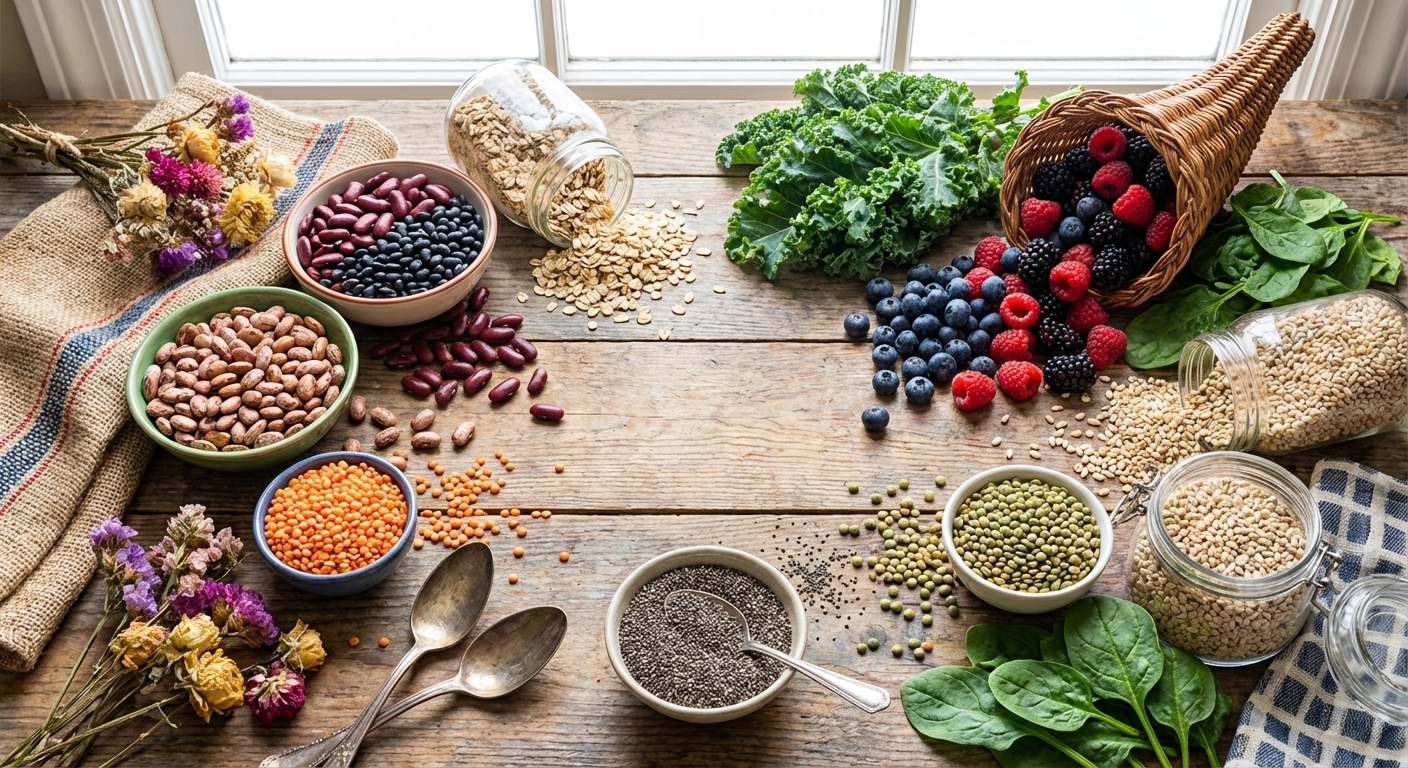
Soluble fiber dissolves in water to form a gel-like substance. It is the type most associated with lowering cholesterol and stabilizing blood sugar. You will find it in oats, beans, lentils, apples, citrus fruits, and flaxseeds.
Insoluble fiber does not dissolve. Instead, it adds bulk and helps food move through your digestive system efficiently. Whole grains, nuts, seeds, and the skins of many fruits and vegetables are rich sources.
A good fibermaxxing strategy includes both types. Most whole plant foods contain a mix, so eating a variety of fruits, vegetables, legumes, and whole grains naturally covers your bases.
Practical Ways to Boost Your Fiber Intake
The biggest barrier to eating more fiber is not knowledge — it is habit. Here are concrete strategies that work without requiring a dramatic diet overhaul:
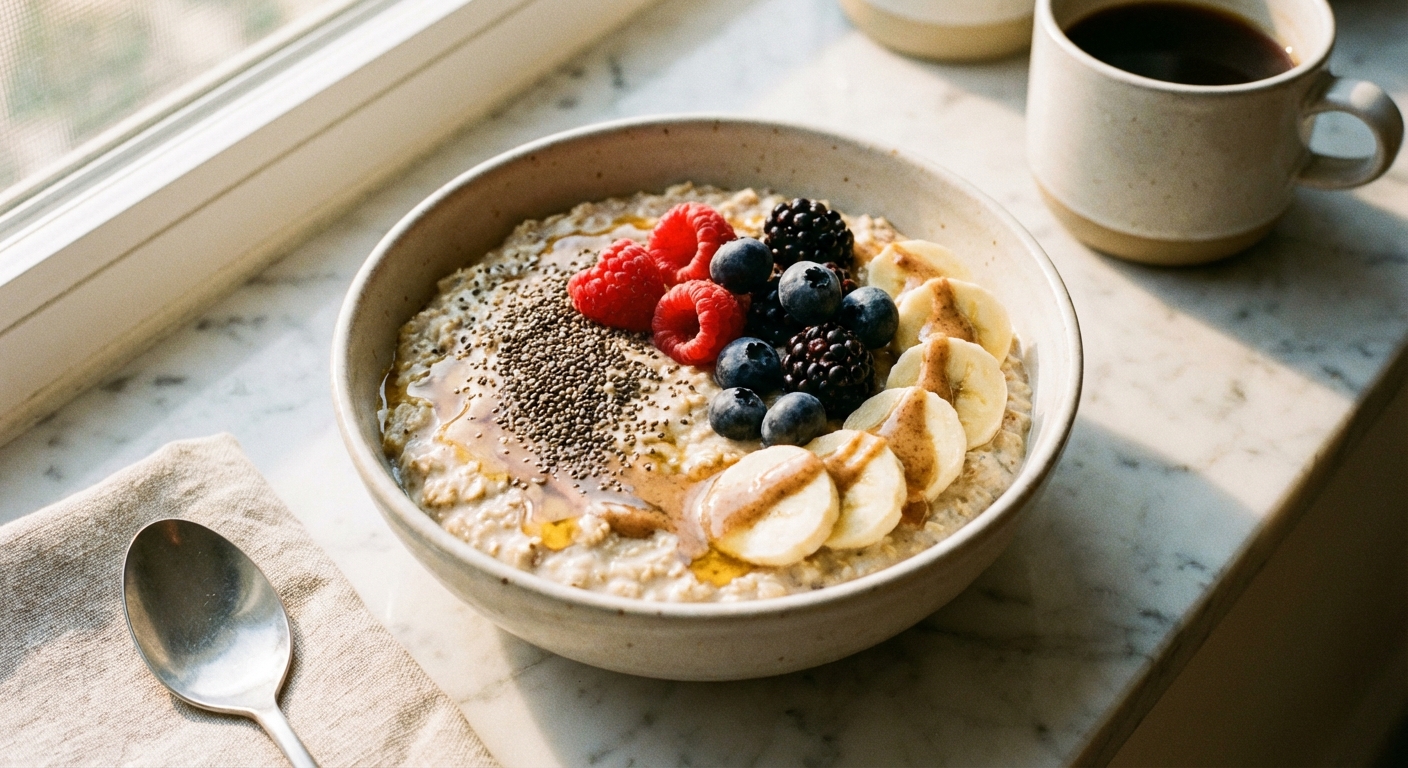
Start with breakfast. Swap refined cereals for whole grain options or overnight oats. Add chia seeds, ground flaxseed, or a handful of berries. A single tablespoon of chia seeds adds nearly five grams of fiber.
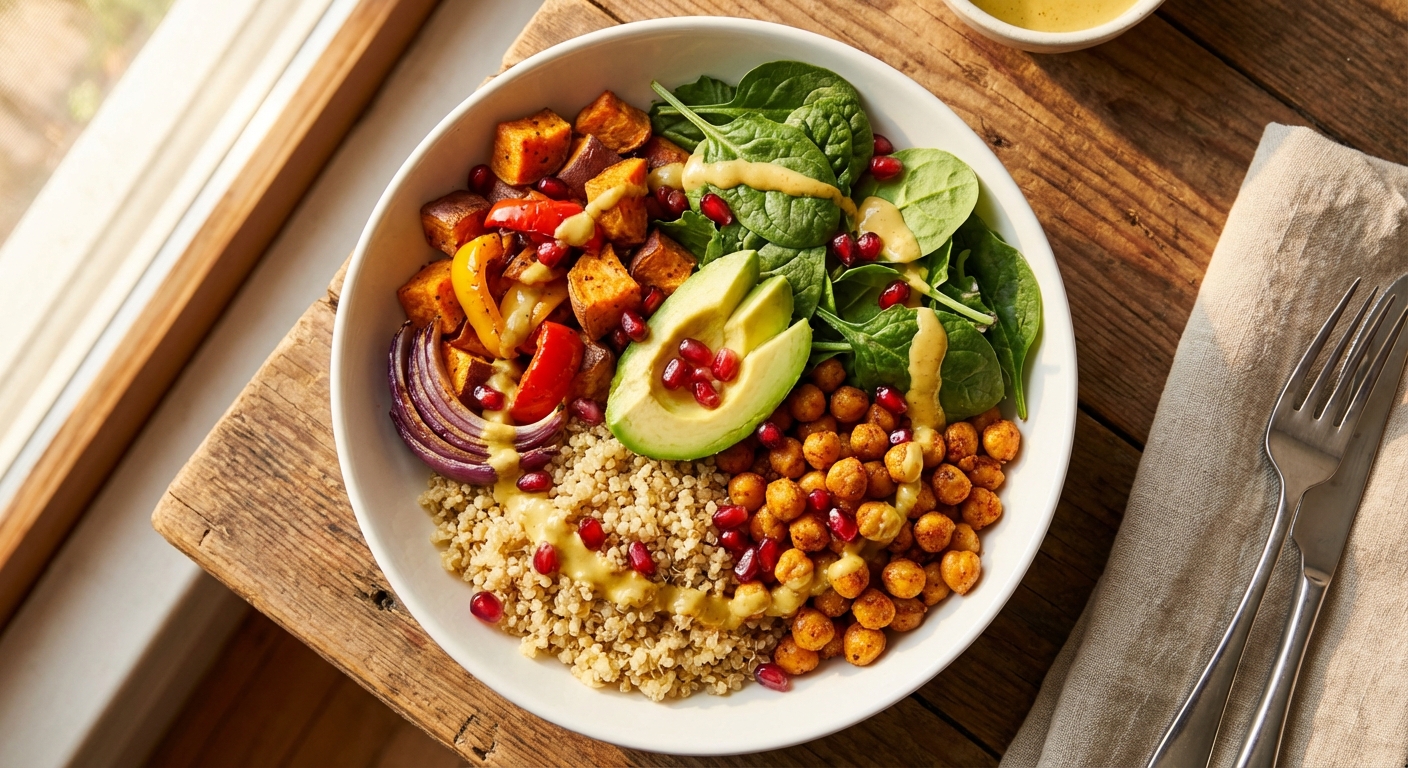
Make legumes a weekly staple. Lentils, chickpeas, black beans, and kidney beans are among the most fiber-dense foods available. Add them to soups, salads, grain bowls, or even pasta sauces. A cup of cooked lentils delivers about 15 grams of fiber.
Snack smarter. Replace processed snacks with whole fruit, raw vegetables with hummus, or a small handful of almonds. An apple with the skin on provides about four grams of fiber.
Keep the skins on. Potato skins, apple skins, and carrot peels are where much of the fiber lives. Washing thoroughly and eating them whole is one of the simplest upgrades.
Add vegetables to everything. Stir spinach into scrambled eggs. Add roasted broccoli to pasta. Toss extra vegetables into stir-fries. Every addition counts.
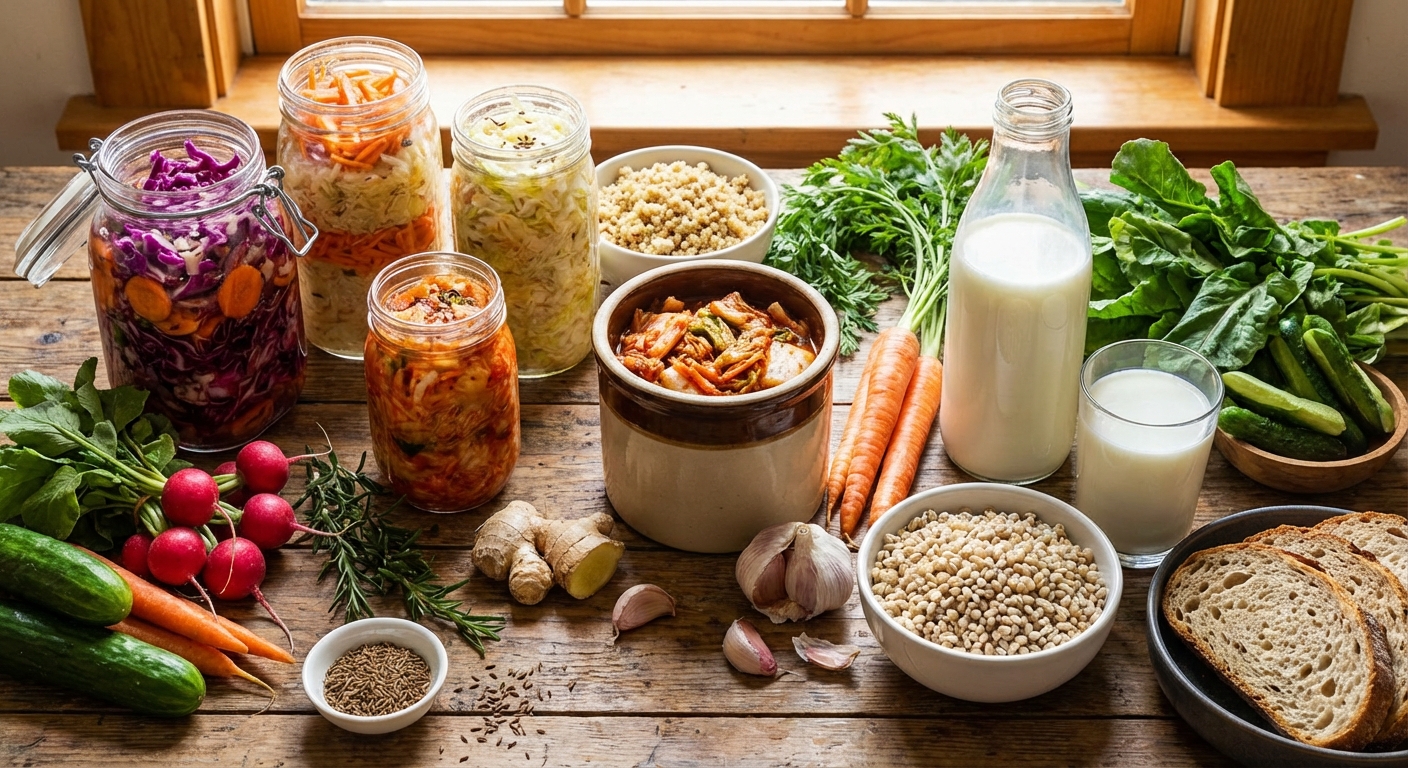
Explore fermented fiber sources. Fermented foods like kimchi, sauerkraut, and miso not only contain fiber but also deliver probiotics, giving your gut a double benefit.
The Gut-Health Connection Driving the Trend
The fibermaxxing movement is inseparable from the broader gut health revolution. Research into the human microbiome has exploded in recent years, and one finding keeps coming back: the single most important dietary factor for a healthy microbiome is fiber diversity.
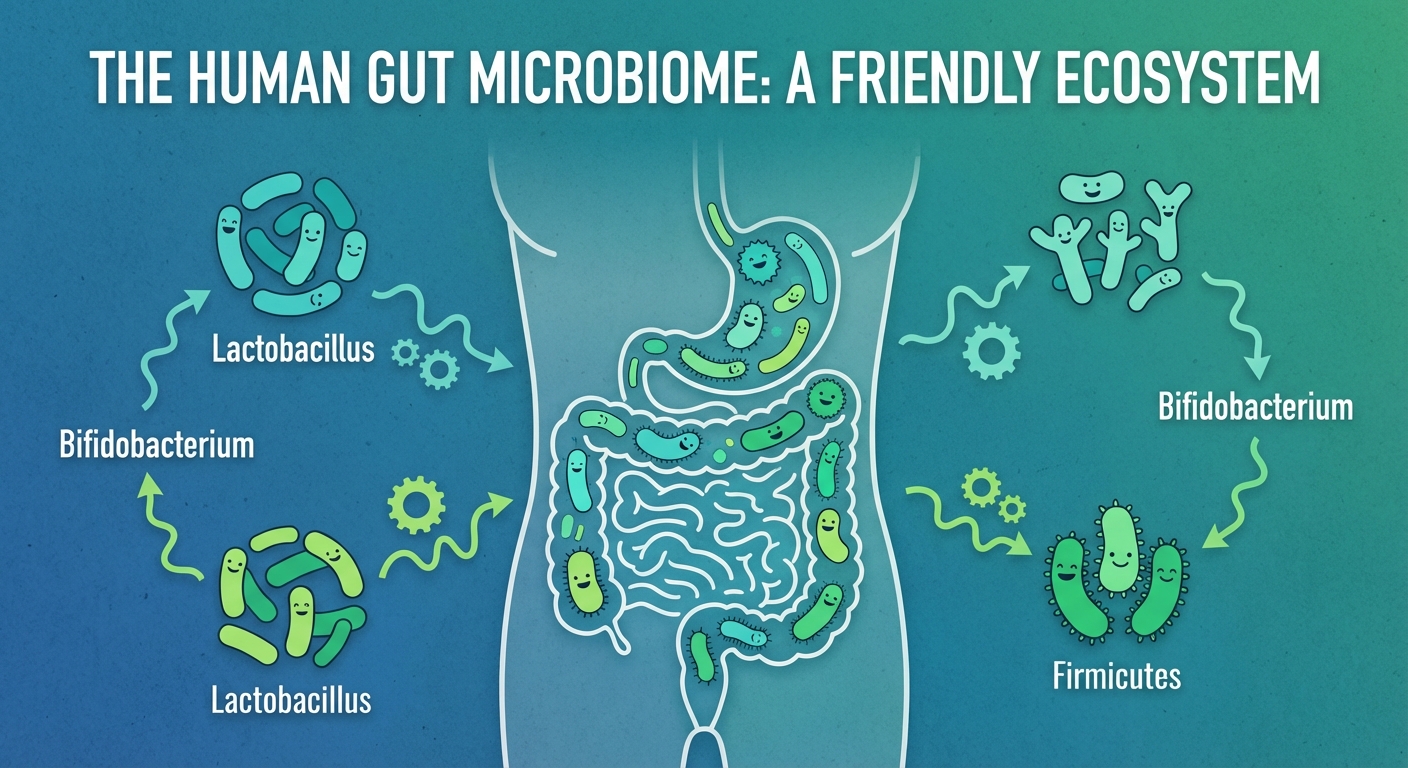
It is not enough to eat a lot of one type of fiber. Your gut bacteria thrive on variety. Different species feed on different fibers, so eating a wide range of plant foods — sometimes called "eating the rainbow" — creates a more diverse, resilient microbial community.
This is why nutritionists in 2026 are recommending people aim for 30 different plant foods per week. That sounds like a lot, but it includes fruits, vegetables, grains, legumes, nuts, seeds, herbs, and spices. A single salad with mixed greens, tomatoes, cucumbers, chickpeas, sunflower seeds, and fresh herbs can cover six or seven in one meal.
Common Mistakes When Increasing Fiber
Enthusiasm is great, but ramping up fiber too quickly is a recipe for discomfort. Here is what to watch for:
- Going too fast — Increase fiber gradually over two to three weeks. A sudden jump can cause bloating, gas, and cramping as your gut bacteria adjust.
- Not drinking enough water — Fiber absorbs water. Without adequate hydration, high fiber intake can actually cause constipation rather than relieve it. Aim for an extra glass or two of water per day as you increase fiber.
- Relying on supplements alone — Fiber supplements have their place, but they cannot replicate the full spectrum of fibers, polyphenols, and micronutrients found in whole foods.
- Ignoring variety — Eating the same high-fiber food every day is better than nothing, but rotating your sources keeps your microbiome diverse and your meals interesting.
How Much Fiber Should You Actually Eat?
Most health organizations recommend 25 to 30 grams of fiber per day for adults. Many fibermaxxing advocates push for 35 to 40 grams, which aligns with what our ancestors likely consumed and what populations with the lowest rates of chronic disease tend to eat.
Rather than obsessively counting grams, a simpler approach is to make sure every meal and snack includes at least one good source of fiber. If half your plate is vegetables and whole grains, you are probably on track.
The Bottom Line
Fibermaxxing is not a fad. Unlike many nutrition trends that come and go, the case for eating more fiber is built on decades of consistent research. It supports your gut, your heart, your blood sugar, your weight, and your longevity. The only real question is why it took this long to become a cultural moment.
The good news is that boosting your fiber intake is one of the most accessible dietary changes you can make. You do not need expensive supplements or exotic ingredients. You need more beans, more vegetables, more whole grains, and a willingness to leave the skins on. Start where you are, add gradually, and let your gut do the rest.