You have probably heard the term "functional foods" thrown around in health circles, on social media, and in grocery store marketing. But what does it actually mean, and more importantly, how do you separate the genuinely useful from the overhyped?
Functional foods are foods that provide health benefits beyond basic nutrition. They contain bioactive compounds that can positively affect one or more bodily functions, from digestion and immune response to cognitive performance and energy regulation. Some occur naturally, like fermented vegetables and fatty fish. Others are fortified or enhanced during production.
The concept is not new, but the science and consumer interest around functional foods has exploded in 2026, driven by growing awareness of the gut-brain connection, metabolic health, and the desire to use food as a proactive wellness tool rather than just fuel.
Fermented Foods: The Gut Health Foundation
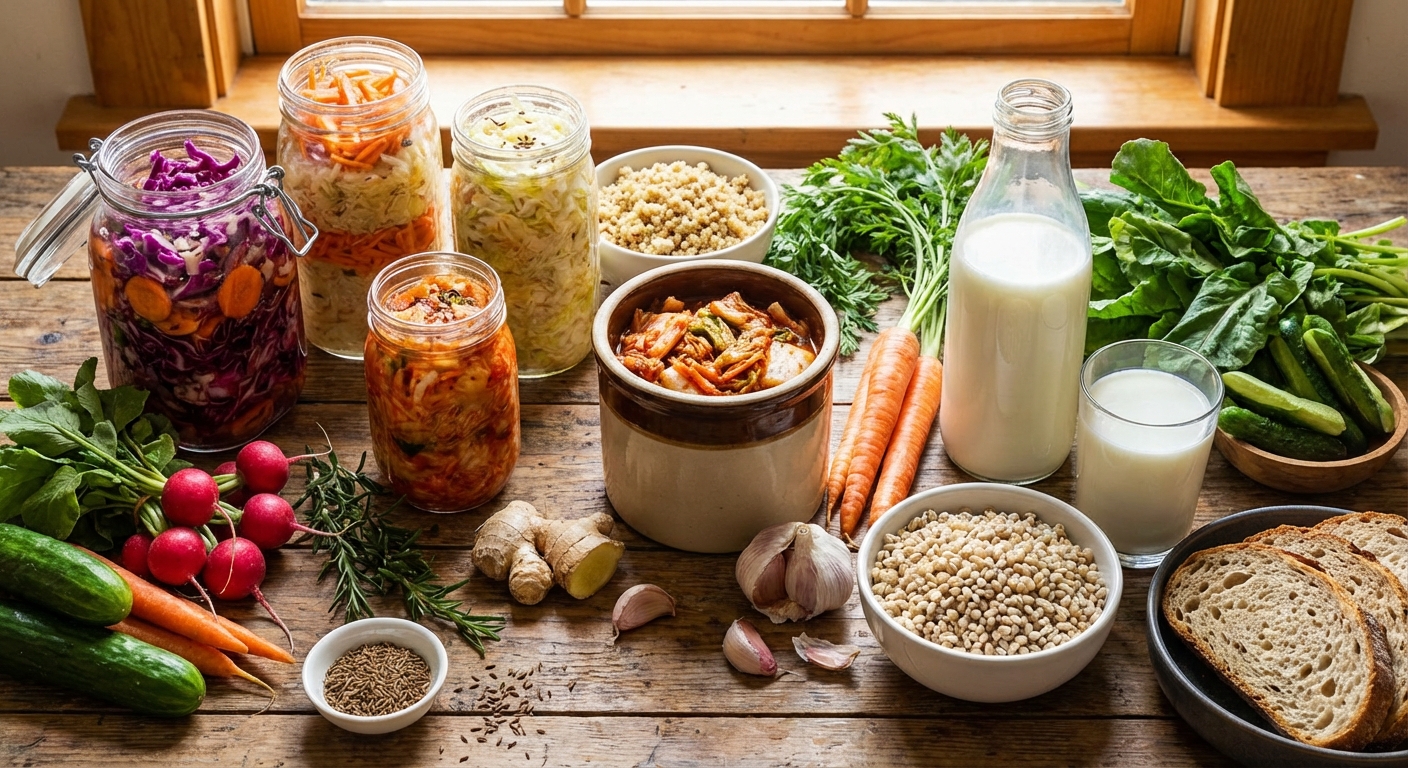
If there is one category of functional food that has moved from niche to mainstream, it is fermented foods. Fermentation is the process by which bacteria, yeast, or other microorganisms break down sugars and starches in food, creating beneficial byproducts like probiotics, short-chain fatty acids, and vitamins.

Why they matter: Your gut microbiome, the trillions of bacteria living in your digestive tract, plays a central role in immune function, mood regulation, and nutrient absorption. Regularly consuming fermented foods introduces beneficial bacteria that help maintain a diverse and healthy microbiome.
Where to start: The easiest fermented foods to incorporate into your diet include yogurt with live active cultures, kefir, sauerkraut, kimchi, miso, and kombucha. The key is consistency. Eating a small amount of fermented food daily is more effective than eating a large amount occasionally.
What to watch for: Not all products labeled "fermented" still contain live cultures. Heat-treated or pasteurized versions may lack the probiotic benefits. Look for labels that specifically mention live or active cultures, and check that the product is refrigerated.
Adaptogens and Functional Mushrooms
Adaptogens are a class of herbs and mushrooms that are believed to help the body resist and adapt to physical, chemical, and biological stress. The term comes from the idea that these compounds help your body adapt to stressors rather than simply masking symptoms.

Popular adaptogens and their claimed benefits:
- Ashwagandha root is one of the most studied adaptogens, with research suggesting it may help reduce cortisol levels and improve stress resilience
- Functional mushrooms like reishi, lions mane, and chaga have gained significant attention. Reishi is associated with immune support and relaxation, while lions mane has been studied for its potential cognitive benefits
- Rhodiola rosea is traditionally used to combat fatigue and improve mental performance under stress
How to incorporate them: Adaptogen powders can be added to smoothies, coffee, or tea. Many people start with a single adaptogen rather than a complex blend, making it easier to identify whether it has any noticeable effect.
A reality check: While some adaptogens have promising preliminary research, the evidence base is still building. They are not miracle compounds, and results vary widely between individuals. Think of them as a potential complement to good nutrition, not a replacement for it.
Anti-Inflammatory Eating: Beyond the Buzzword
Chronic low-grade inflammation is increasingly linked to a wide range of health issues, from joint pain and fatigue to more serious long-term conditions. Anti-inflammatory eating is not a specific diet but rather a pattern of food choices that emphasize ingredients known to reduce inflammatory markers in the body.
Foods that support an anti-inflammatory pattern:
- Fatty fish rich in omega-3 fatty acids (aim for two to three servings per week)
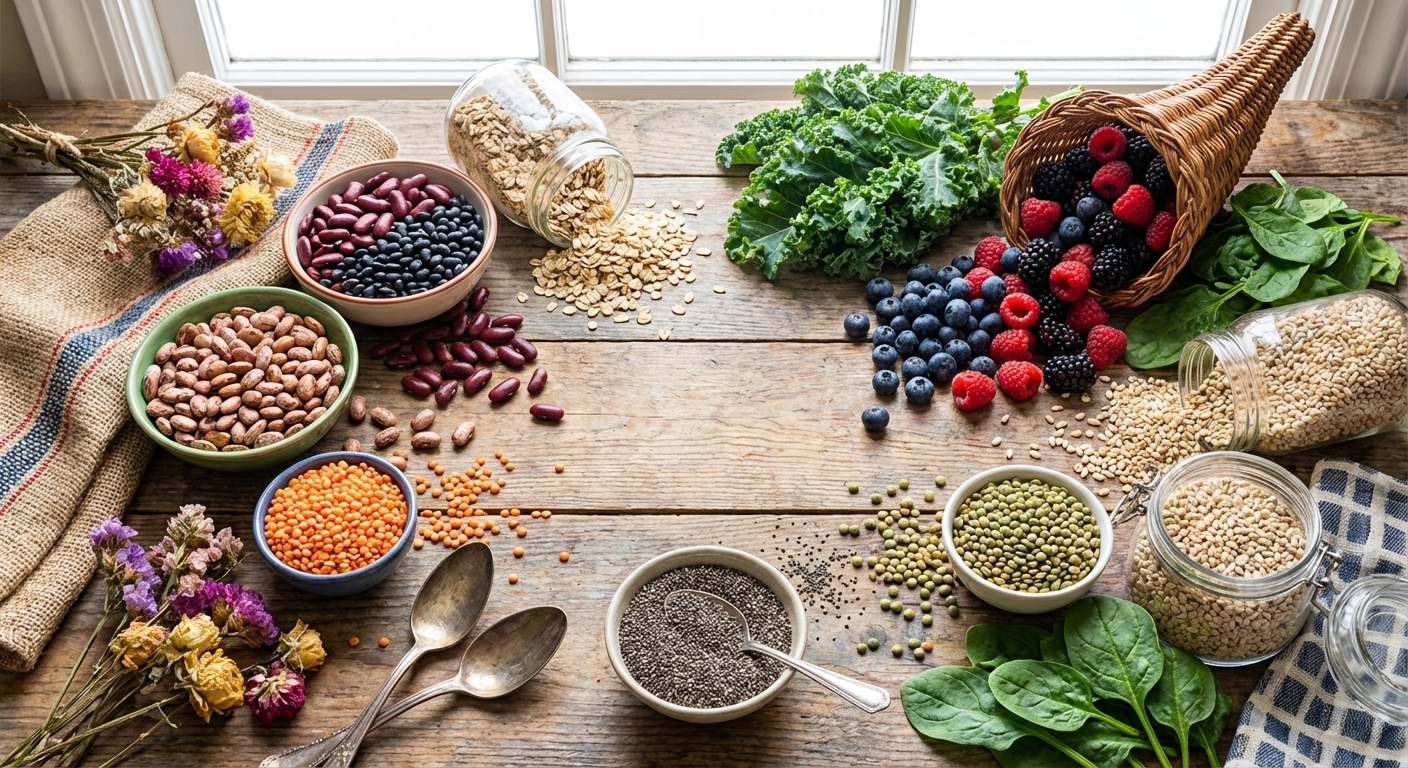
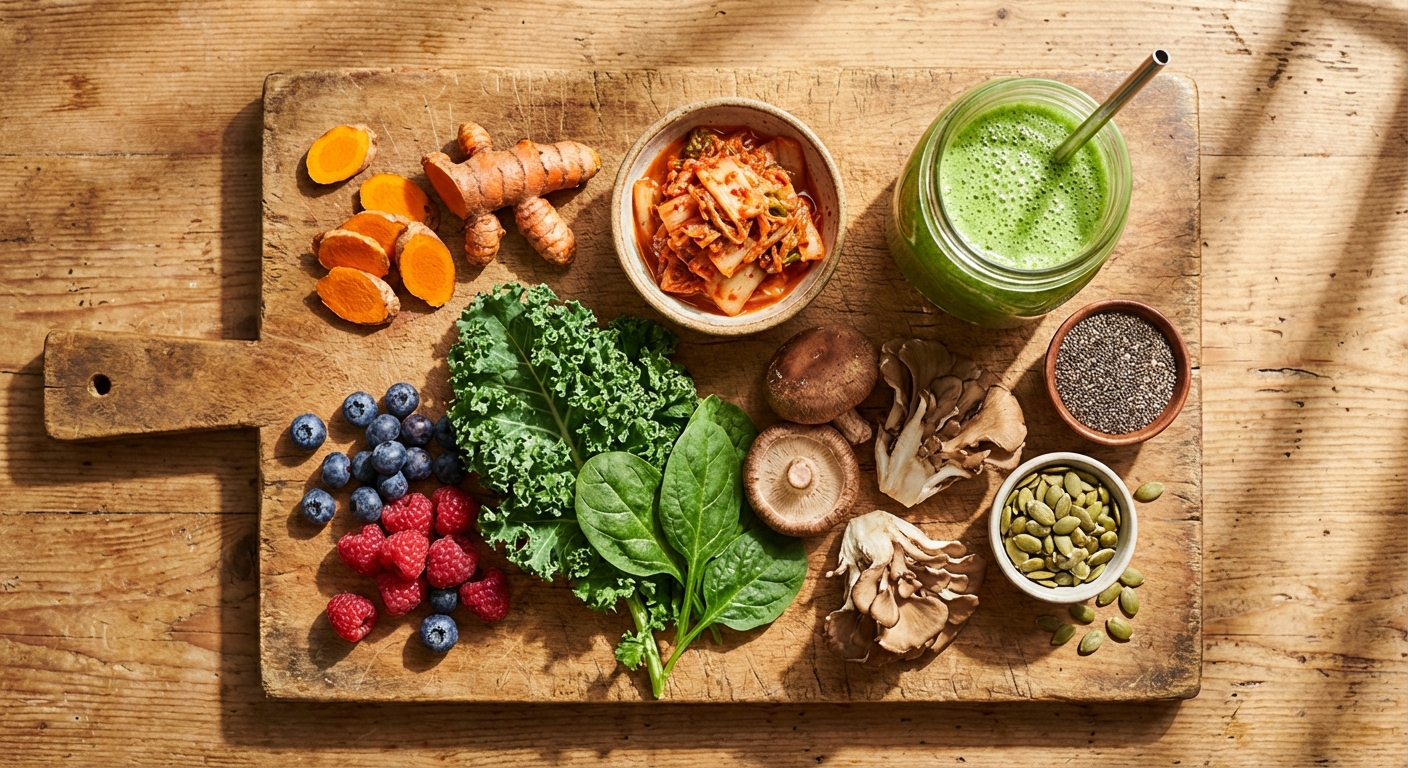
- Deeply colored berries like blueberries, blackberries, and tart cherries, which are high in anthocyanins
- Leafy greens including spinach, kale, and Swiss chard
- Nuts and seeds, particularly walnuts and flaxseeds
- Turmeric and ginger, both of which contain well-studied anti-inflammatory compounds
- Extra virgin olive oil, a staple of Mediterranean-style eating
Foods that tend to promote inflammation: Highly processed foods with added sugars, refined carbohydrates, excessive alcohol, and industrial seed oils consumed in large quantities.
The goal is not perfection. Shifting even 20 to 30 percent of your diet toward anti-inflammatory foods can make a meaningful difference over time.

Building a Functional Foods Routine That Sticks
The biggest mistake people make with functional foods is trying to overhaul their entire diet at once. A more sustainable approach is to layer functional foods into your existing eating habits one at a time.
Week 1: Add a daily fermented food. Start with yogurt at breakfast or a small serving of kimchi or sauerkraut with lunch or dinner. The goal is consistency, not quantity.
Week 2: Introduce one anti-inflammatory swap. Replace one cooking oil with extra virgin olive oil, or add a handful of berries to your morning routine.
Week 3: Experiment with an adaptogen. Try adding a single adaptogen powder to your morning coffee or smoothie. Give it at least two weeks before evaluating whether you notice any difference.
Week 4: Increase your variety. Start rotating different fermented foods, trying new leafy greens, or experimenting with turmeric in cooking.
The Bottom Line
Functional foods are not magic. They will not compensate for a fundamentally poor diet, inadequate sleep, or chronic stress. But when layered on top of a reasonable baseline of healthy eating, they offer a practical and evidence-informed way to give your body additional support.
The key is to be consistent, keep expectations realistic, and pay attention to how your body actually responds. The best functional food for you is the one you will actually eat regularly, not the one with the most impressive marketing claims.