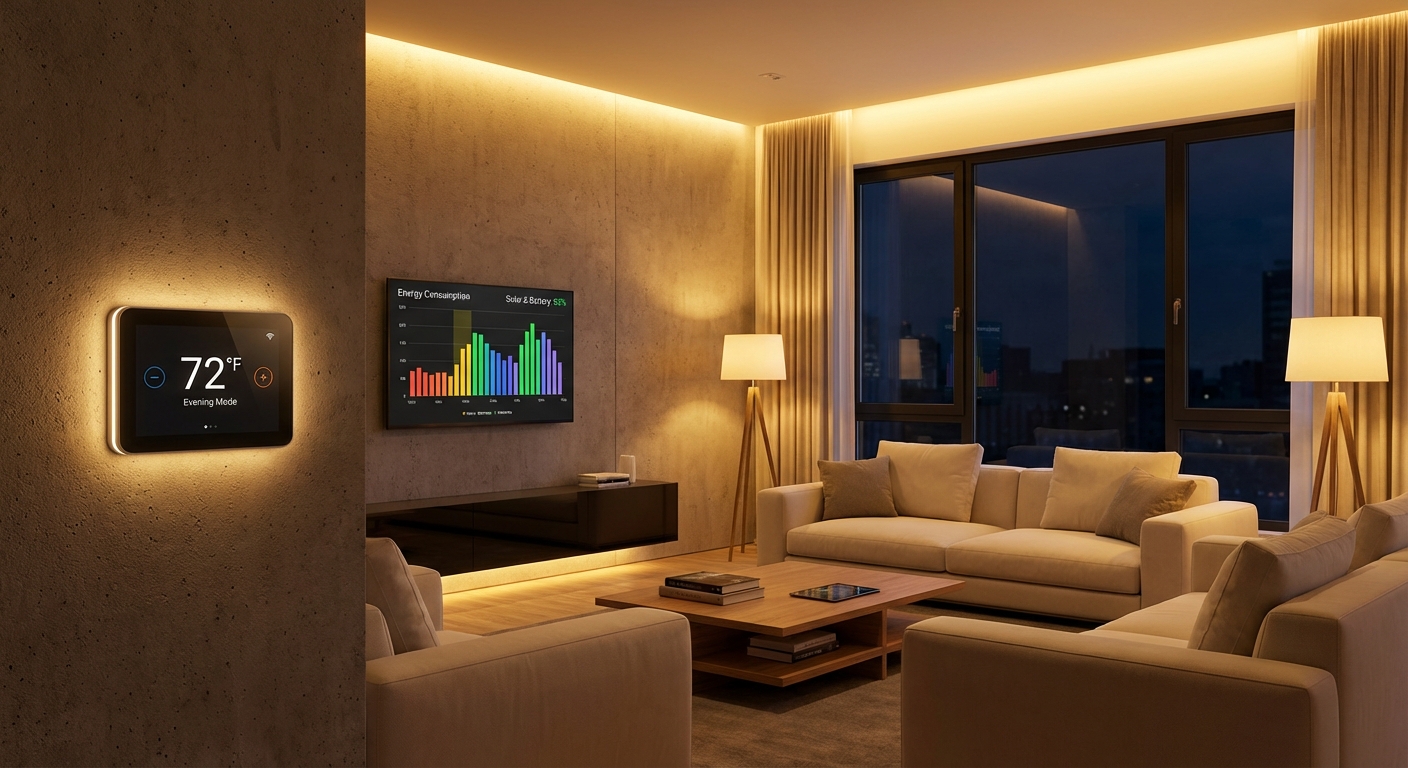
You spend roughly 90 percent of your time indoors, but most people have no idea what they are breathing. The air inside your home can be two to five times more polluted than outdoor air — and unlike outdoor pollution, you have direct control over it.
Indoor air quality technology has made a significant leap in 2026. Smart monitors have become affordable and accurate enough to give you real-time visibility into what is floating around your living space, while AI-powered purifiers respond automatically to keep your air clean. Here is how to take control of the air you breathe.
Why Indoor Air Quality Matters More Than You Think
The health effects of poor indoor air quality are well documented but widely underestimated. Chronic exposure to indoor pollutants has been linked to headaches, fatigue, difficulty concentrating, respiratory issues, and worsened allergies and asthma. Over the long term, exposure to certain indoor pollutants increases the risk of serious cardiovascular and respiratory conditions.
The sources of indoor air pollution are everywhere in a typical home:
- Volatile organic compounds (VOCs) off-gas from furniture, paint, cleaning products, and even scented candles. That "new furniture smell" is literally chemical compounds entering your air
- Particulate matter (PM2.5) comes from cooking, especially frying and grilling, as well as from outdoor air that infiltrates through windows and doors
- Carbon dioxide (CO2) builds up in occupied rooms with poor ventilation, causing drowsiness, headaches, and reduced cognitive performance — even at levels well below what most people would consider "stuffy"
- Mold spores and allergens thrive in humid environments and circulate through HVAC systems
- Radon is a naturally occurring radioactive gas that seeps through foundations and is the second leading cause of lung cancer
The insidious part is that most of these pollutants are invisible and odorless at concerning levels. You cannot smell elevated CO2 or see PM2.5 particles. Without a monitor, you are flying blind.
What Smart Air Quality Monitors Track
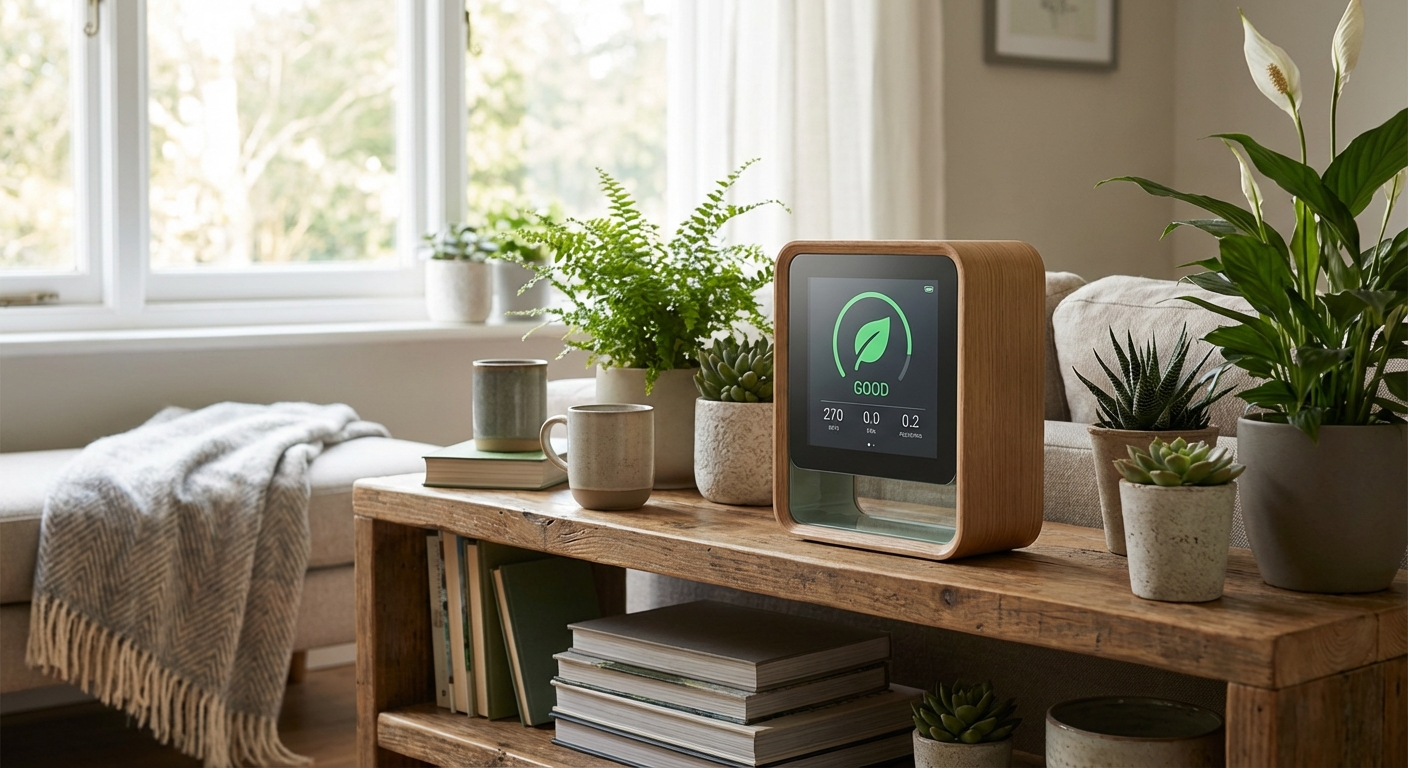
Modern air quality monitors have become remarkably capable. Here is what the current generation measures:
PM2.5 and PM10 (Particulate Matter)
These are tiny particles suspended in the air. PM2.5 particles are 2.5 micrometers or smaller — small enough to penetrate deep into your lungs and even enter your bloodstream. PM10 particles are larger but still respirable. Your monitor will show real-time concentrations, typically measured in micrograms per cubic meter. The World Health Organization recommends annual average PM2.5 exposure below 5 micrograms per cubic meter — a level many homes exceed during cooking, cleaning, or when windows are open on high-pollution days.
Carbon Dioxide (CO2)
This is arguably the most actionable metric for most people. Outdoor air typically contains around 420 parts per million (ppm) of CO2. In a closed bedroom with one or two people sleeping, levels can climb above 2,000 ppm by morning — a concentration that measurably impairs cognitive function.
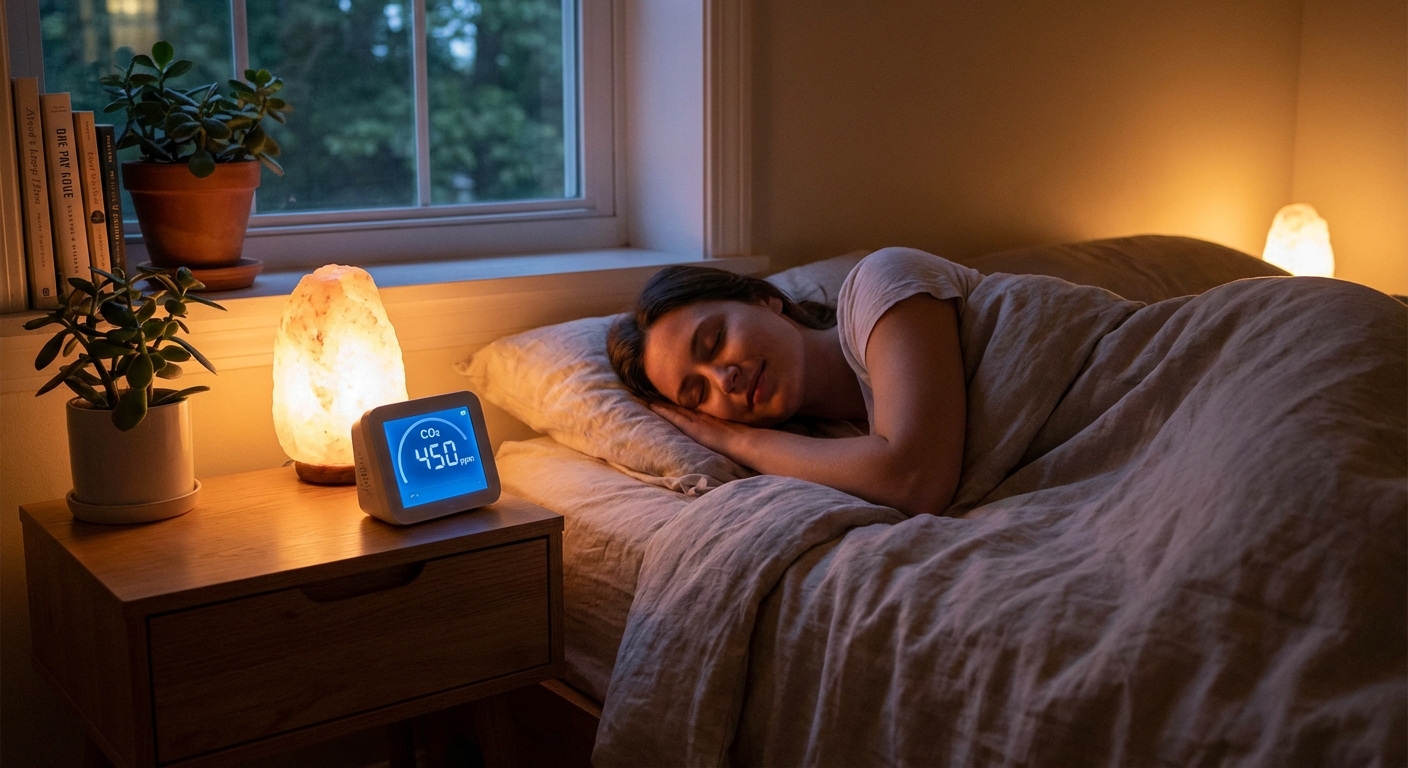
Studies have shown that decision-making performance drops significantly when CO2 levels exceed 1,000 ppm. If you wake up groggy despite a full night of sleep, your bedroom CO2 levels may be the culprit.
Volatile Organic Compounds (VOCs)
VOCs are a broad category of chemicals that evaporate at room temperature. Sources include cleaning products, air fresheners, paints, adhesives, new furniture and flooring, personal care products, and even cooking. Most monitors report a total VOC (tVOC) reading rather than identifying individual compounds.
Spikes in VOCs often correlate with specific activities — cleaning, cooking, painting, or opening a new piece of furniture. Your monitor helps you identify which activities degrade your air quality and how long it takes to recover.
Humidity
Relative humidity affects both comfort and health. Below 30 percent, air feels dry, irritates respiratory passages, and promotes static electricity. Above 60 percent, mold and dust mites thrive. The ideal range is 30 to 50 percent. A smart monitor tracks humidity continuously and helps you identify seasonal patterns that might require a humidifier or dehumidifier.
Temperature
While you probably already have a thermostat, air quality monitors provide room-specific temperature data that reveals how different areas of your home behave. That upstairs bedroom that is always warmer than the rest of the house is not just a comfort issue — heat accelerates VOC off-gassing from furniture and building materials.
Smart Purifiers: From Passive Filtering to Active Response
Air purifiers have been around for decades, but the 2026 generation operates on a fundamentally different level. The key innovation is integration — smart purifiers that communicate with air quality monitors and respond automatically to changing conditions.
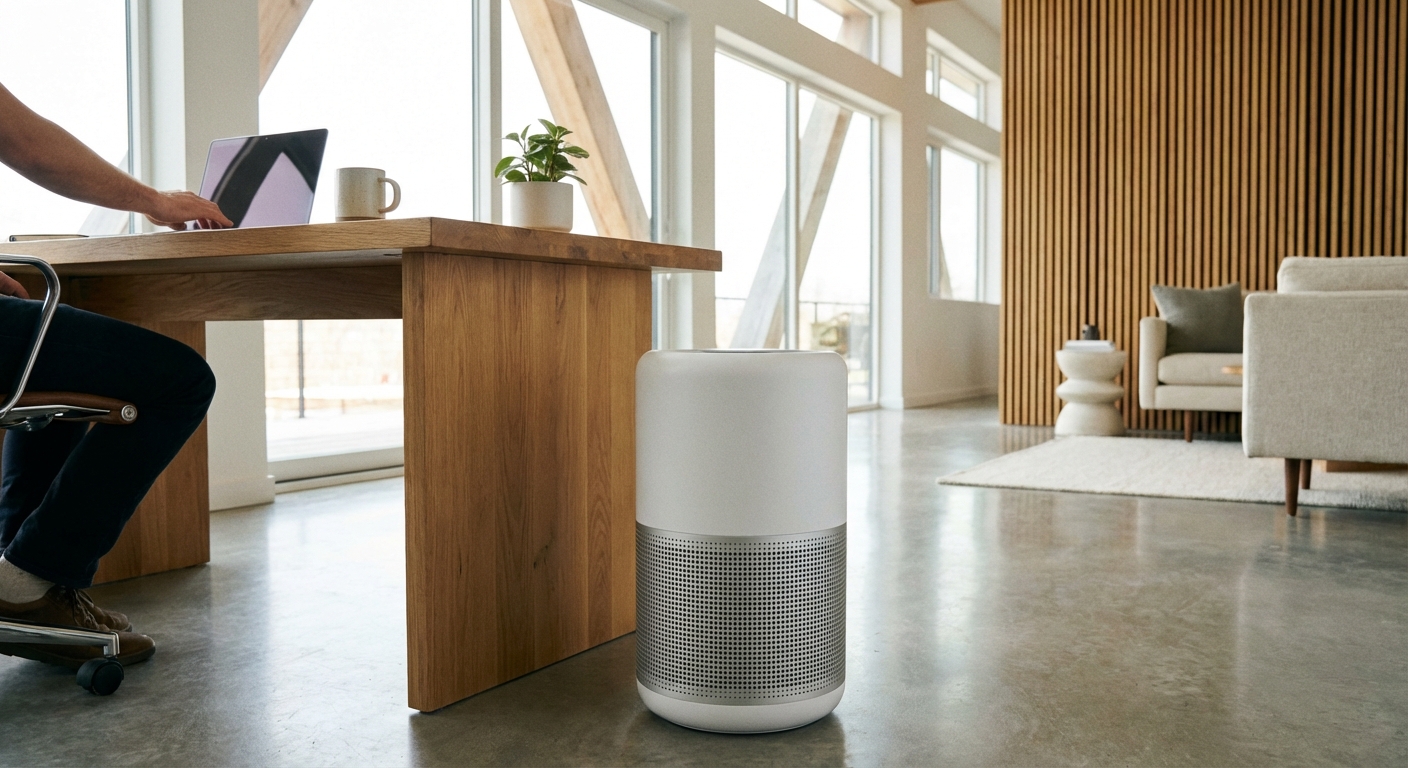
How modern smart purifiers work:
- Sensor fusion — Built-in sensors or paired external monitors detect changes in PM2.5, VOCs, or CO2 levels
- Automatic mode adjustment — The purifier ramps up fan speed when pollution spikes (during cooking, for example) and drops to near-silent operation when air is clean
- Scheduling intelligence — AI learns your patterns and pre-emptively increases filtration before daily pollution events like morning cooking or evening candle lighting
- Filter life monitoring — Smart alerts tell you exactly when filters need replacement based on actual usage and air quality conditions, not just a fixed timer
- Air quality reporting — Companion apps show historical trends, identify pollution events, and confirm that your purifier is actually making a measurable difference
Filter technology to understand:
- HEPA filters capture 99.97 percent of particles 0.3 micrometers and larger. This is the gold standard for particulate removal. True HEPA is non-negotiable for anyone with allergies or asthma
- Activated carbon filters absorb VOCs, odors, and gases that HEPA filters cannot catch. The amount of carbon matters — thin carbon sheets are significantly less effective than thick carbon beds
- UV-C light can neutralize some airborne pathogens but is a supplement to, not a replacement for, HEPA filtration
- Ionizers charge particles so they stick to surfaces, but they can produce trace amounts of ozone. Most modern purifiers have moved away from ionization
Building a Whole-Home Air Quality Strategy
A single monitor and purifier can improve one room, but a strategic approach covers your entire home:
Start with the bedroom. You spend six to eight hours here every night, breathing deeply in a closed space. This is where poor air quality has the most cumulative health impact. Place a monitor by your bed and track overnight CO2 levels. If they regularly exceed 1,000 ppm, you need better ventilation — cracking a window, running a fan, or using an ERV (energy recovery ventilator) that brings in fresh air without losing heating or cooling.
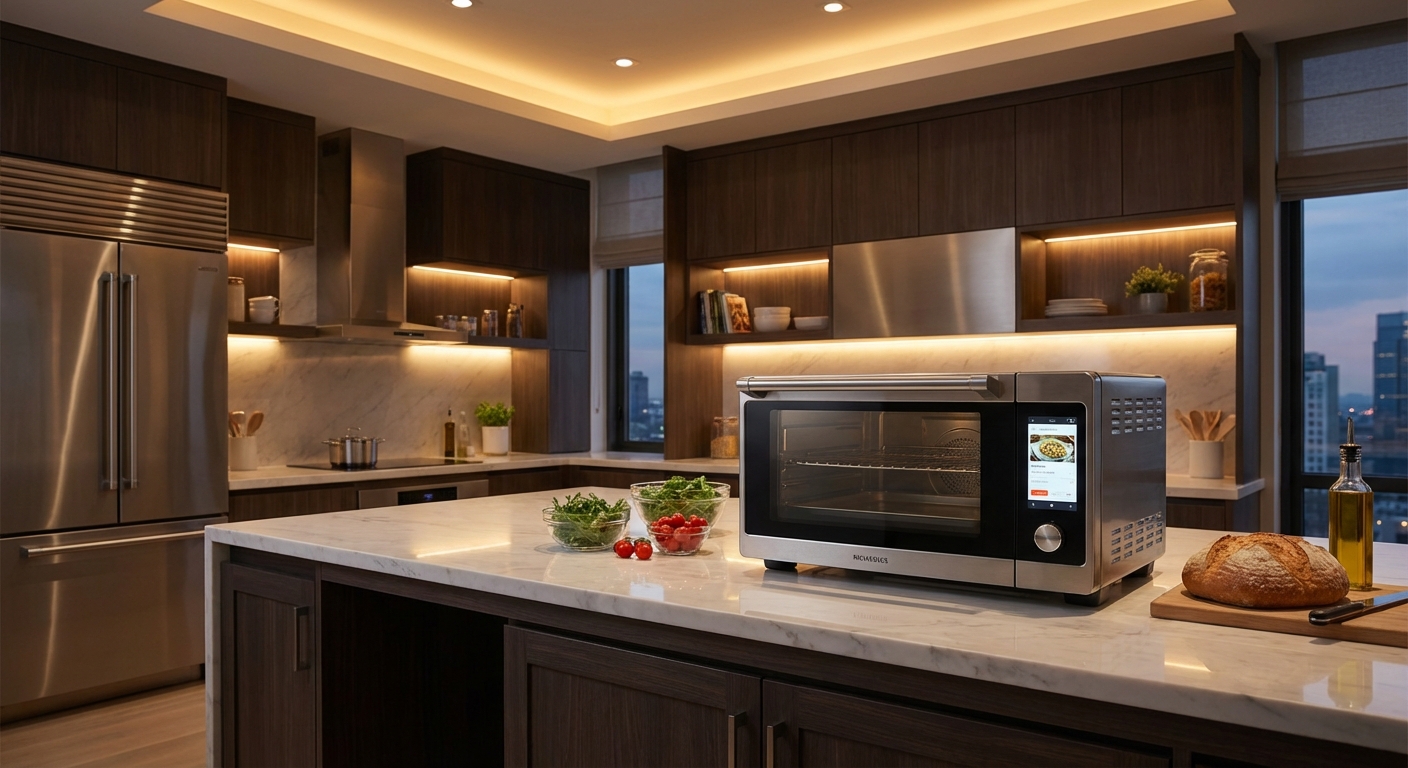
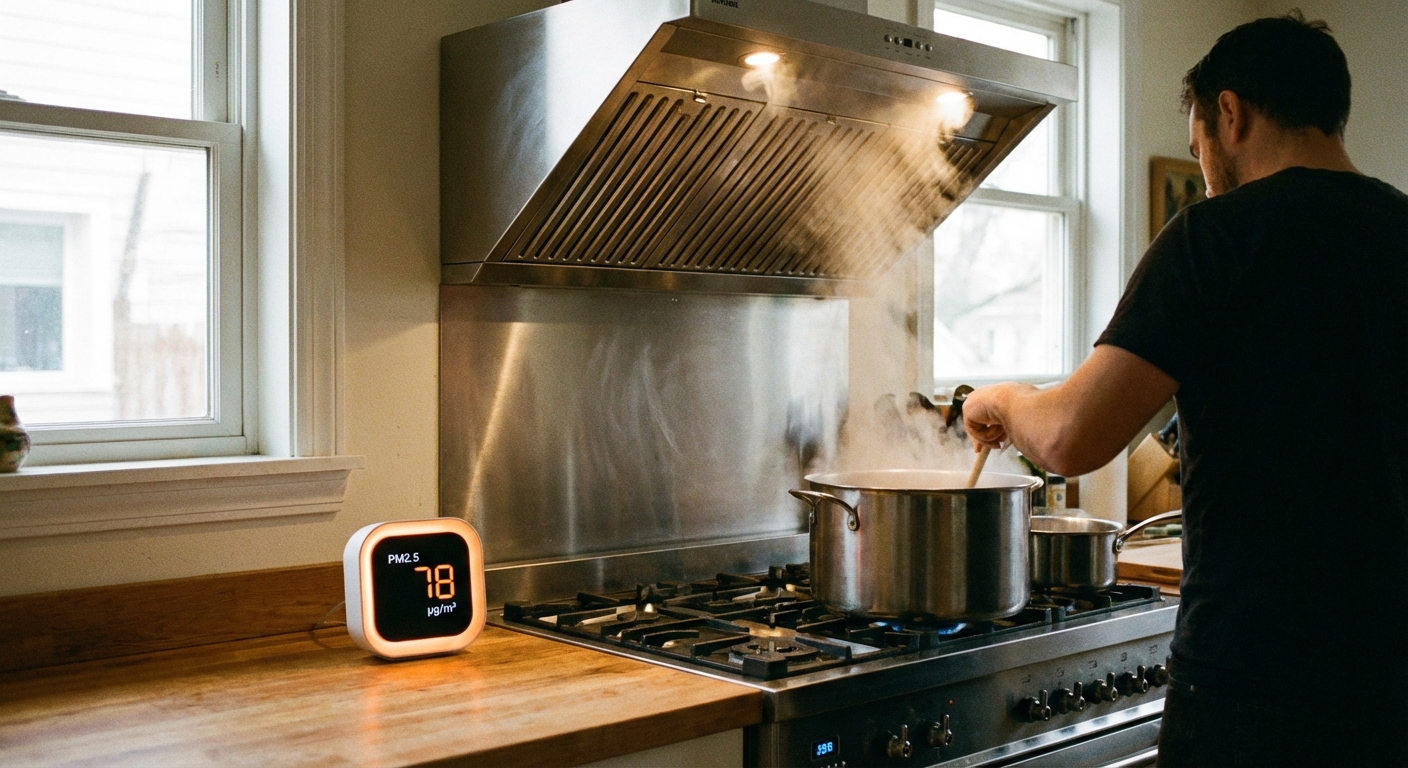
Monitor the kitchen. Cooking is the single largest source of indoor PM2.5 in most homes. Even simple tasks like boiling water or toasting bread generate particles. Frying and grilling can spike PM2.5 to levels that would trigger an outdoor air quality warning. Always use your range hood when cooking — it is the most effective single intervention for kitchen air quality.
Pay attention to the home office. If you work from home, CO2 and VOC levels in your workspace directly affect your productivity and cognitive performance. A small monitor on your desk can reveal why you feel sluggish by mid-afternoon — it is often CO2 buildup in a closed room.
Do not forget the basement. Basements are prone to moisture issues, mold growth, and radon accumulation. A monitor that tracks humidity and radon can catch problems before they become serious health hazards.
Practical Steps to Improve Your Indoor Air Today
You do not need expensive technology to start improving your indoor air quality. These steps are free or low-cost:
- Ventilate actively. Open windows for 10 to 15 minutes daily, even in cold weather. Cross-ventilation (opening windows on opposite sides) is most effective
- Run exhaust fans. Use your kitchen range hood every time you cook and your bathroom exhaust fan during and after showers. These remove pollutants and moisture at the source
- Vacuum with a HEPA filter. Regular vacuums can actually redistribute fine particles into the air. A vacuum with a sealed HEPA filtration system captures particles instead of recirculating them
- Control humidity. Use a dehumidifier if your home regularly exceeds 50 percent relative humidity. Empty and clean drip trays frequently
- Choose low-VOC products. When buying paint, furniture, flooring, or cleaning supplies, look for low-VOC or zero-VOC options. The price difference is minimal, but the air quality impact is significant
- Avoid air fresheners and scented candles. These are among the most common sources of indoor VOCs. If you want fragrance, essential oil diffusers produce fewer harmful byproducts, though they are not completely emission-free
- Maintain your HVAC system. Replace filters on schedule, have ducts cleaned periodically, and ensure your system is properly sized for your home
Connecting Air Quality to Your Smart Home
The latest air quality monitors integrate seamlessly with major smart home platforms, enabling powerful automations:
- CO2 threshold triggers ventilation — When bedroom CO2 exceeds 800 ppm, automatically turn on a connected fan or ERV
- Cooking detection activates purification — PM2.5 spike in the kitchen triggers the purifier to high mode and turns on the range hood
- Humidity alerts prevent mold — When basement humidity exceeds 55 percent, trigger a dehumidifier and send a notification to your phone
- Sleep mode optimization — Purifier automatically shifts to ultra-quiet operation at bedtime while maintaining HEPA filtration
These automations turn air quality management from something you think about into something that happens automatically.
What Good Air Quality Feels Like
People who start monitoring and managing their indoor air consistently report the same improvements: better sleep, clearer thinking during work, fewer allergy symptoms, and fewer headaches. The changes are subtle but cumulative — you often do not realize how much poor air quality was affecting you until you fix it.
The technology to monitor and improve your indoor air has never been more accessible or affordable. A basic smart monitor costs less than a dinner out, and the health returns compound every day you breathe cleaner air. Your home should be your healthiest environment — in 2026, the tools to make that a reality are finally within everyone's reach.