Your garden is getting smarter. What used to require daily attention, guesswork, and a green thumb is increasingly being handled by sensors, automated systems, and artificial intelligence. Smart garden technology has matured significantly in 2026, moving beyond novelty gadgets into genuinely useful tools that save water, reduce effort, and help plants thrive.
Whether you are managing a small herb garden on a balcony or maintaining a full backyard landscape, the latest smart gardening tools can make you a better gardener with less work. Here is what is available now and how to put it all together.
Why Smart Gardening Is Taking Off in 2026
Several converging trends are driving the smart garden boom. Water conservation is at the top of the list. With drought conditions affecting more regions and water costs rising, homeowners are looking for ways to irrigate more efficiently. Smart irrigation systems that respond to real-time weather and soil data can reduce outdoor water usage by 30 to 50 percent compared to traditional timer-based sprinklers.
The connected home ecosystem is another factor. As more households adopt smart home hubs and voice assistants, extending automation into the garden becomes a natural next step. Many smart garden devices now integrate seamlessly with popular home automation platforms, letting you manage your entire property from a single app.
Rising interest in homegrown food continues to grow as well. The home gardening movement that surged during the pandemic has not faded — it has evolved. People want to grow their own herbs, vegetables, and fruits, and smart tools lower the barrier to entry for anyone who has struggled to keep plants alive.
Smart Irrigation: Watering Only When and Where It Is Needed
The biggest impact of smart garden technology is in irrigation. Traditional sprinkler systems operate on fixed schedules regardless of whether it rained yesterday or whether the soil is already saturated. Smart irrigation changes that equation entirely.
Weather-responsive controllers connect to local weather stations and forecast data to automatically adjust watering schedules. If rain is expected tomorrow, the system skips today's watering cycle. If a heat wave is coming, it increases water delivery preemptively. This adaptive approach eliminates the most common cause of water waste in residential landscapes: watering when it is not needed.
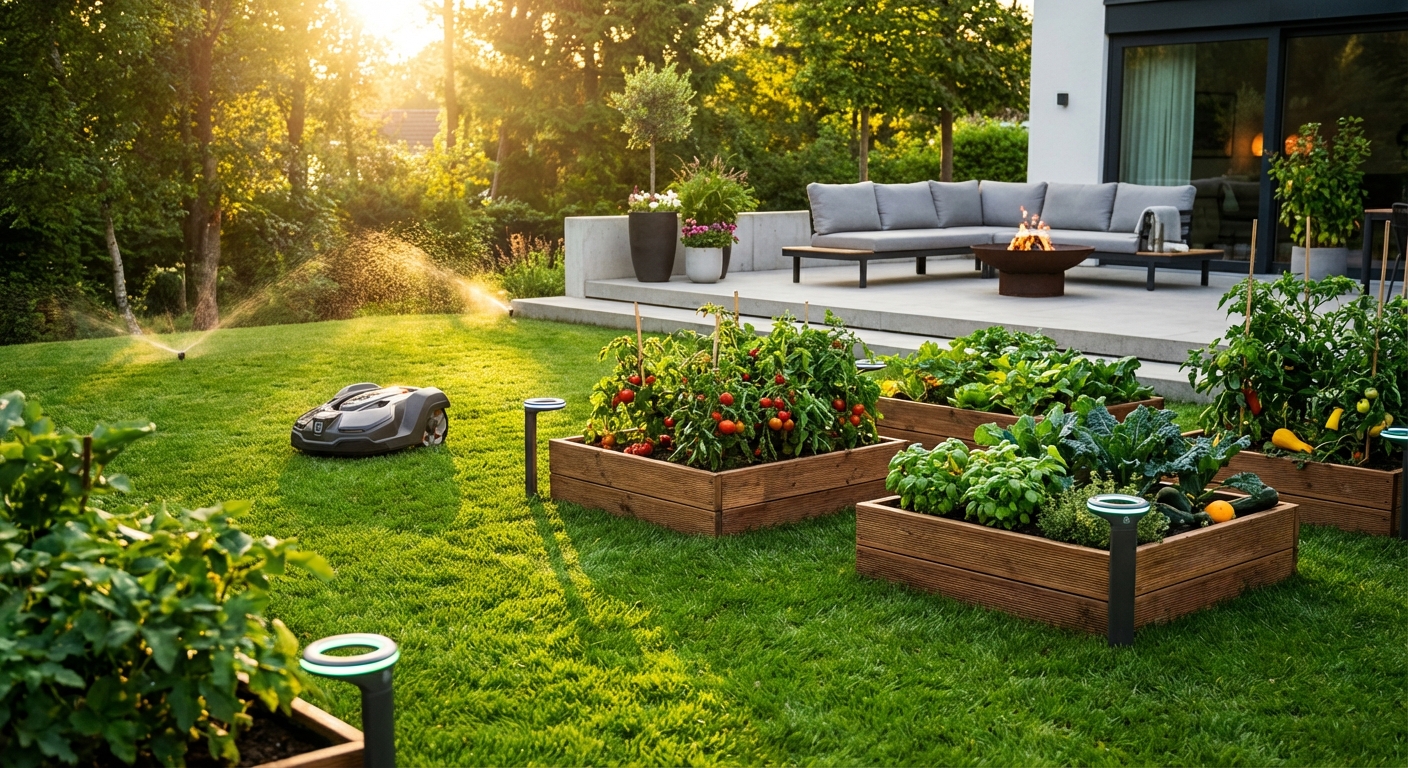
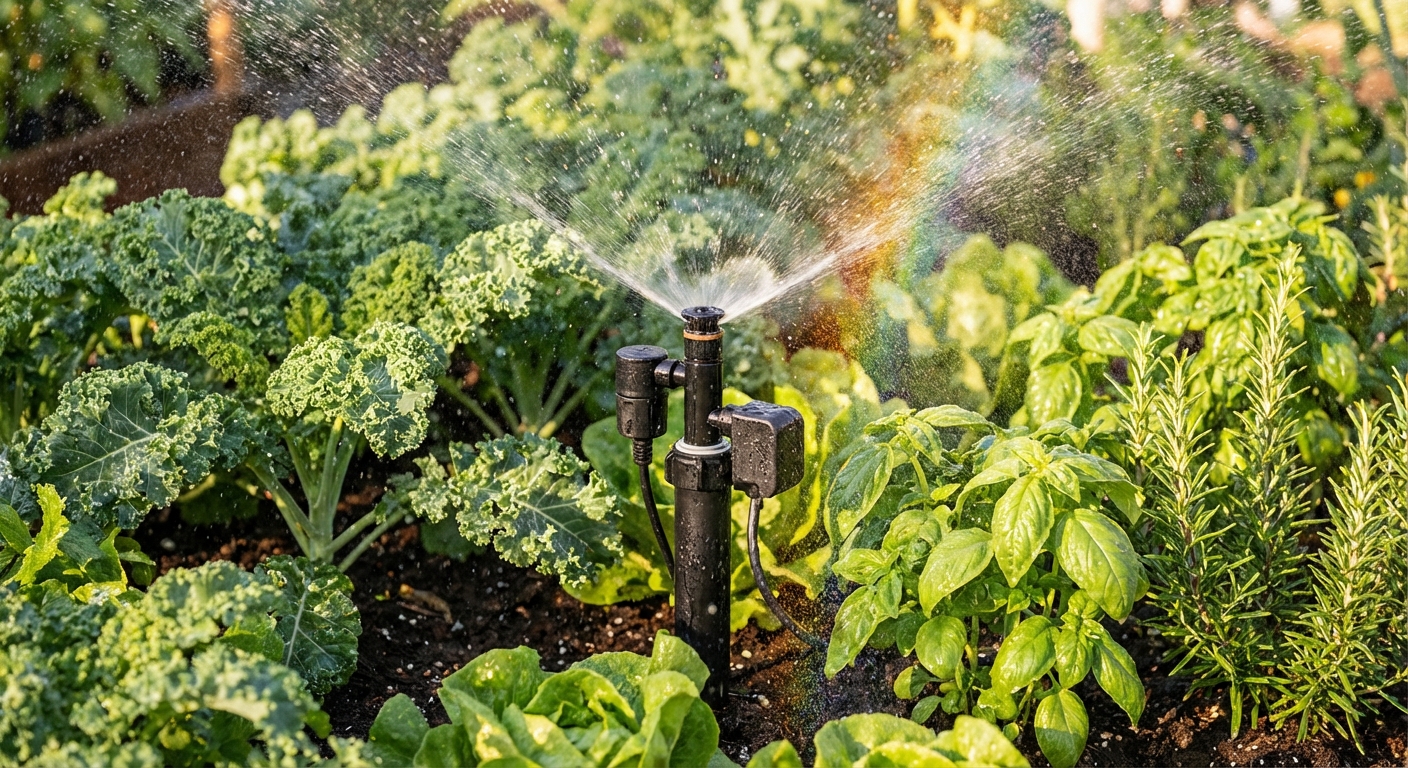
Soil moisture sensors take precision further. Buried at root level in your garden beds or lawn, these sensors measure actual moisture content in the soil and communicate wirelessly to your irrigation controller. The system only activates when the soil drops below your target moisture level, ensuring plants get exactly what they need — no more, no less.
Drip irrigation kits with smart valves are ideal for garden beds, raised planters, and vegetable patches. These systems deliver water directly to the root zone through emitters, reducing evaporation and runoff. When paired with smart controllers, they create a fully automated, precision watering system for individual planting zones.
Key benefits of smart irrigation:
- Reduce water consumption by 30 to 50 percent
- Prevent overwatering, which causes root rot and fungal disease
- Adjust automatically to weather changes without manual intervention
- Zone-based control lets you water different areas on different schedules
- Remote access lets you manage watering from anywhere via your phone
Soil and Environment Monitoring: Knowing What Your Plants Need
Good gardening starts with understanding your soil and microclimate. Smart sensors make this information available at a glance, replacing the old method of sticking your finger in the dirt and hoping for the best.
Multi-parameter soil sensors measure moisture, temperature, pH, and light levels simultaneously. They transmit data to an app on your phone, giving you a real-time dashboard of growing conditions across your garden. Some advanced models also track soil nutrient levels, specifically nitrogen, phosphorus, and potassium, helping you fertilize precisely rather than on a generic schedule.
Microclimate stations are compact weather sensors designed for your specific garden rather than relying on the nearest municipal weather station, which might be miles away. These measure temperature, humidity, wind speed, UV exposure, and rainfall right where your plants are growing. The data feeds into your irrigation system and plant care recommendations.
How to use sensor data effectively:
- Set alerts for extreme conditions — frost warnings, excessive heat, or soil drying below critical thresholds
- Track trends over time to understand how your soil and microclimate change seasonally
- Use pH data to amend soil before planting rather than diagnosing problems after plants struggle
- Compare zones — a sunny south-facing bed has very different needs from a shaded north corner
Robotic Lawn Care: The Rise of Autonomous Mowers
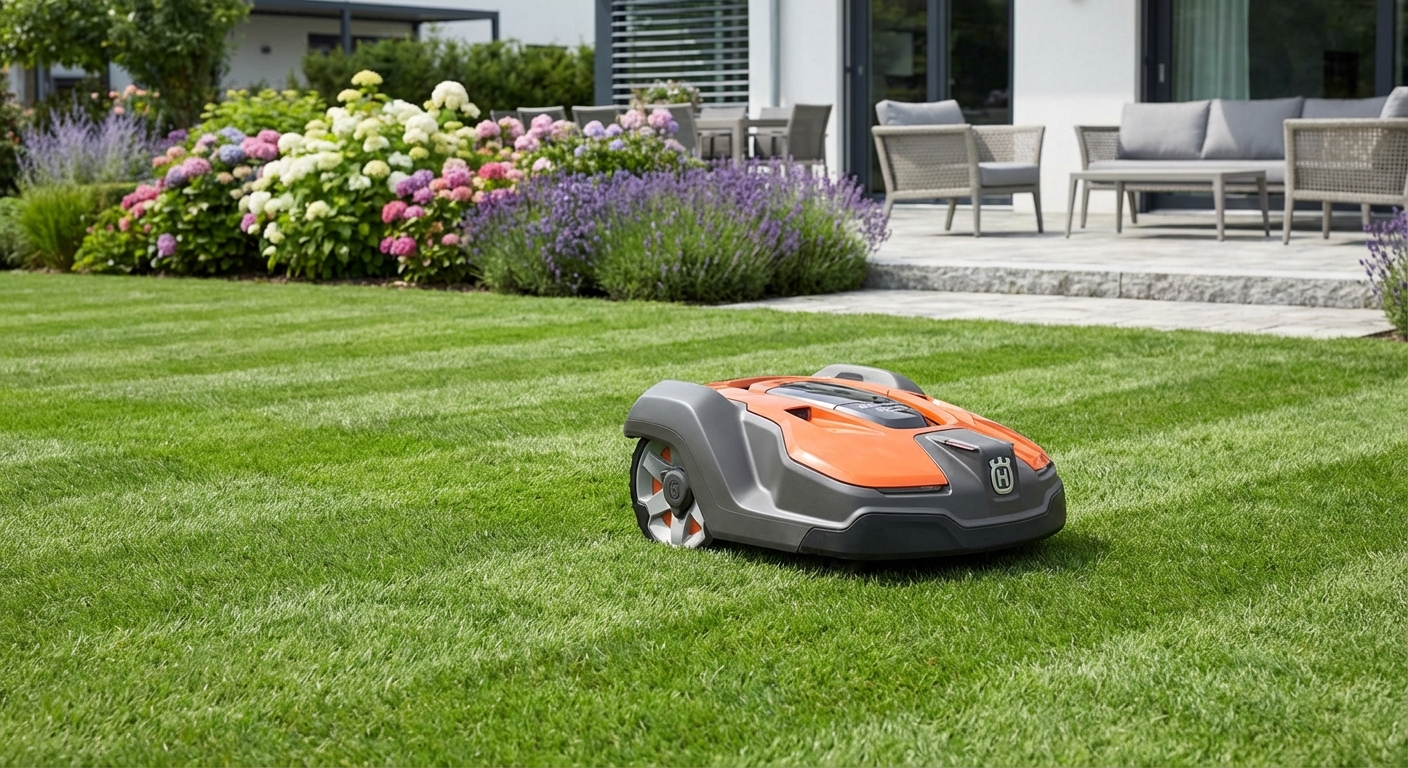
Robotic mowers have been around for years, but the 2026 generation represents a major leap forward. Earlier models required buried boundary wires and struggled with complex yard layouts. Modern autonomous mowers use GPS, LiDAR, and AI-powered navigation to map your lawn, plan efficient mowing paths, and handle obstacles without physical boundary installations.
What current robotic mowers can do:
- Map your entire yard on the first run and create optimized mowing patterns
- Handle steep slopes, uneven terrain, and narrow passages between garden beds
- Recognize and navigate around obstacles like furniture, toys, pets, and garden hoses
- Adjust cutting height and frequency based on grass growth rate and weather conditions
- Return to their charging dock automatically when the battery runs low
- Operate quietly enough to run at night without disturbing neighbors
The mulching advantage is significant. Robotic mowers cut small amounts frequently — often daily — producing fine clippings that decompose quickly and return nutrients to the soil. This natural fertilization cycle reduces or eliminates the need for supplemental lawn fertilizer, saving money and reducing chemical runoff.
For homeowners with larger properties, some models now support multi-zone management. You can assign different areas of your lawn to different mowing schedules and cutting heights, treating the front yard, backyard, and side strips as independent zones.
Indoor Smart Gardens: Growing Food Year-Round
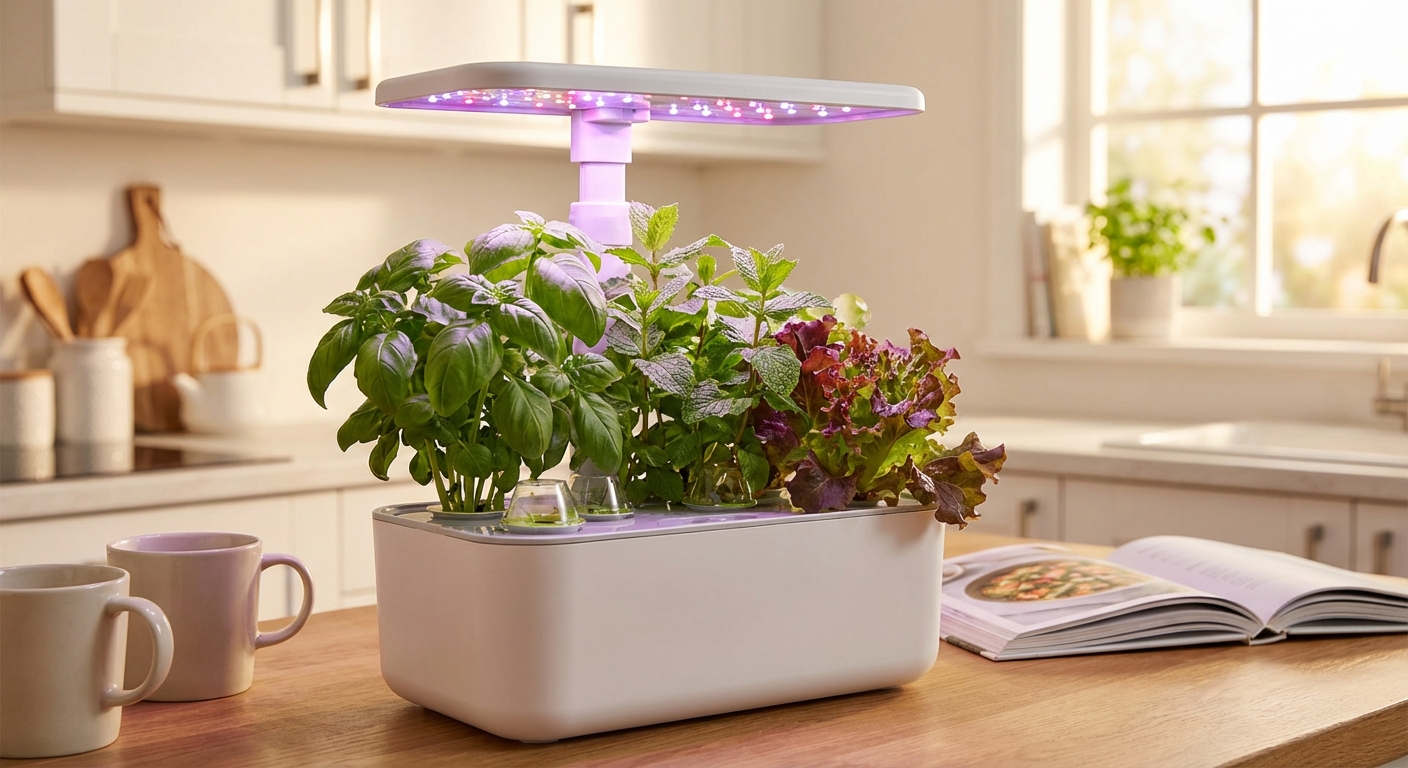
Not all smart gardening happens outdoors. Indoor smart garden systems have become increasingly popular for growing herbs, leafy greens, and small vegetables right in your kitchen, regardless of the season or your outdoor space.
These countertop or freestanding units combine LED grow lights tuned to specific wavelengths, hydroponic or semi-hydroponic growing media, and automated nutrient and water delivery in a self-contained system. You insert seed pods, fill the water reservoir, and the system handles everything else — light cycles, water levels, and nutrient dosing.
What works well in indoor smart gardens:
- Fresh herbs like basil, cilantro, mint, dill, and parsley
- Leafy greens including lettuce, spinach, arugula, and kale
- Small fruiting plants like cherry tomatoes, strawberries, and peppers
- Edible flowers for garnishes
The most advanced systems now include app-connected monitoring that tracks growth stages, alerts you when water or nutrients need refilling, and even suggests optimal harvest times. Some models use cameras and AI to detect early signs of nutrient deficiency or pest issues before they become visible to the naked eye.
Putting It All Together: Building Your Smart Garden Ecosystem
The real power of smart garden technology emerges when you connect multiple systems into a cohesive ecosystem. Here is how to approach it.
Start with irrigation. This delivers the biggest return on investment in water savings and plant health. A smart irrigation controller paired with a few soil moisture sensors is the foundation everything else builds on.
Add monitoring next. Soil sensors and a microclimate station give you the data to make informed decisions about planting, fertilizing, and seasonal adjustments.
Layer in automation gradually. A robotic mower for the lawn, smart lighting for garden pathways, or an indoor growing system for the kitchen — add each piece as it makes sense for your space and budget.
Integration tips:
- Choose devices that support common smart home protocols to ensure they work together and with your existing home automation
- Use a single app or dashboard where possible to avoid managing five different apps for five different devices
- Set up automated routines — for example, if the soil sensor detects dry conditions and no rain is forecast, trigger an irrigation cycle automatically
- Start small and expand — you do not need to automate everything at once
Smart garden technology in 2026 is practical, affordable, and genuinely useful. It will not replace the satisfaction of getting your hands dirty, but it will handle the repetitive, time-sensitive tasks that often cause gardens to suffer from neglect. The result is a healthier garden, lower water bills, and more time to enjoy your outdoor space rather than maintain it.