What Is Slow Travel and Why Is Everyone Talking About It
There is a growing backlash against the highlight-reel style of travel that dominated the last decade — the kind where you visit five countries in seven days, spend more time in airports than in neighborhoods, and come home more exhausted than when you left.
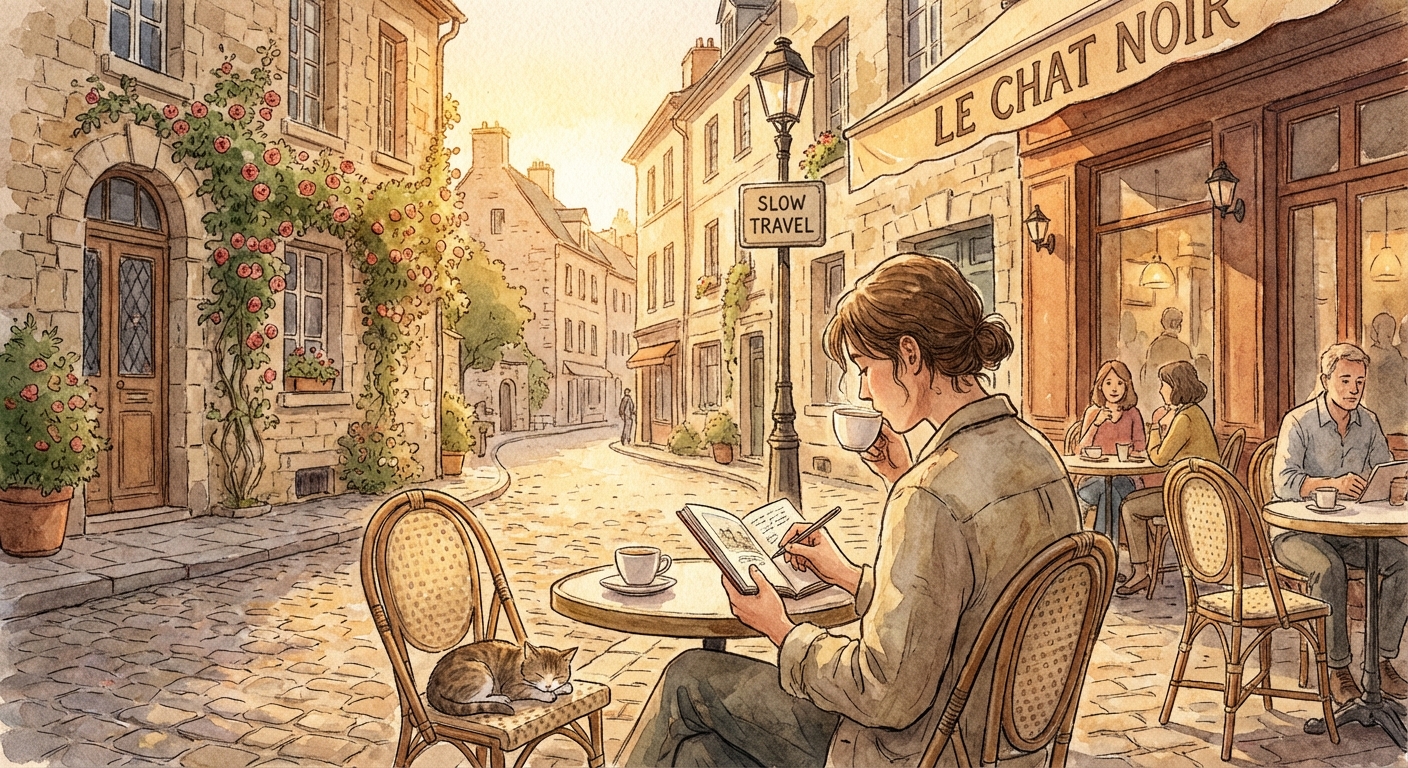
Slow travel is the antidote. The idea is simple: instead of racing through a checklist of tourist attractions, you stay in one place long enough to actually experience it. You shop at local markets. You find a favorite cafe. You learn the neighborhood rhythms. You wake up without an alarm and an itinerary.
This is not a new concept, but it is reaching mainstream adoption in 2026. Travel surveys show that a significant majority of travelers this year are prioritizing depth over breadth, and extended-stay bookings are up dramatically compared to previous years.
Why Slow Travel Is Surging in Popularity
Several forces are converging to make slow travel more appealing and more accessible than ever.
Remote work has made it possible. The rise of location-independent work means many people can now spend a month in a coastal town or a mountain village without taking time off. Even hybrid workers can often negotiate a few weeks of remote work from a different location.
Airfare is getting cheaper. Average flight prices have dropped meaningfully in 2026, making it more affordable to fly to a single destination and stay put rather than booking multiple connecting flights.
Burnout is real. Fast-paced vacations that try to cram in every museum and landmark often leave people feeling like they need a vacation from their vacation. Slow travel offers genuine rest and recovery.
Sustainability concerns are growing. Fewer flights, fewer hotel check-ins, and less transportation between cities all mean a smaller carbon footprint. Slow travelers tend to use local businesses and public transit, which is better for both the environment and the local economy.
Social media fatigue. There is a growing desire for authentic experiences rather than photo opportunities. Slow travel prioritizes personal enrichment over content creation.
How to Plan a Slow Travel Trip
If you are used to fast-paced travel, slowing down requires a different planning approach. Here is how to make the most of it.
Choose one destination, not a circuit. The most common slow travel mistake is still trying to fit in too many places. Pick one city or region and commit to it for at least a week, ideally two or more. You will be surprised how much you discover when you are not constantly moving.
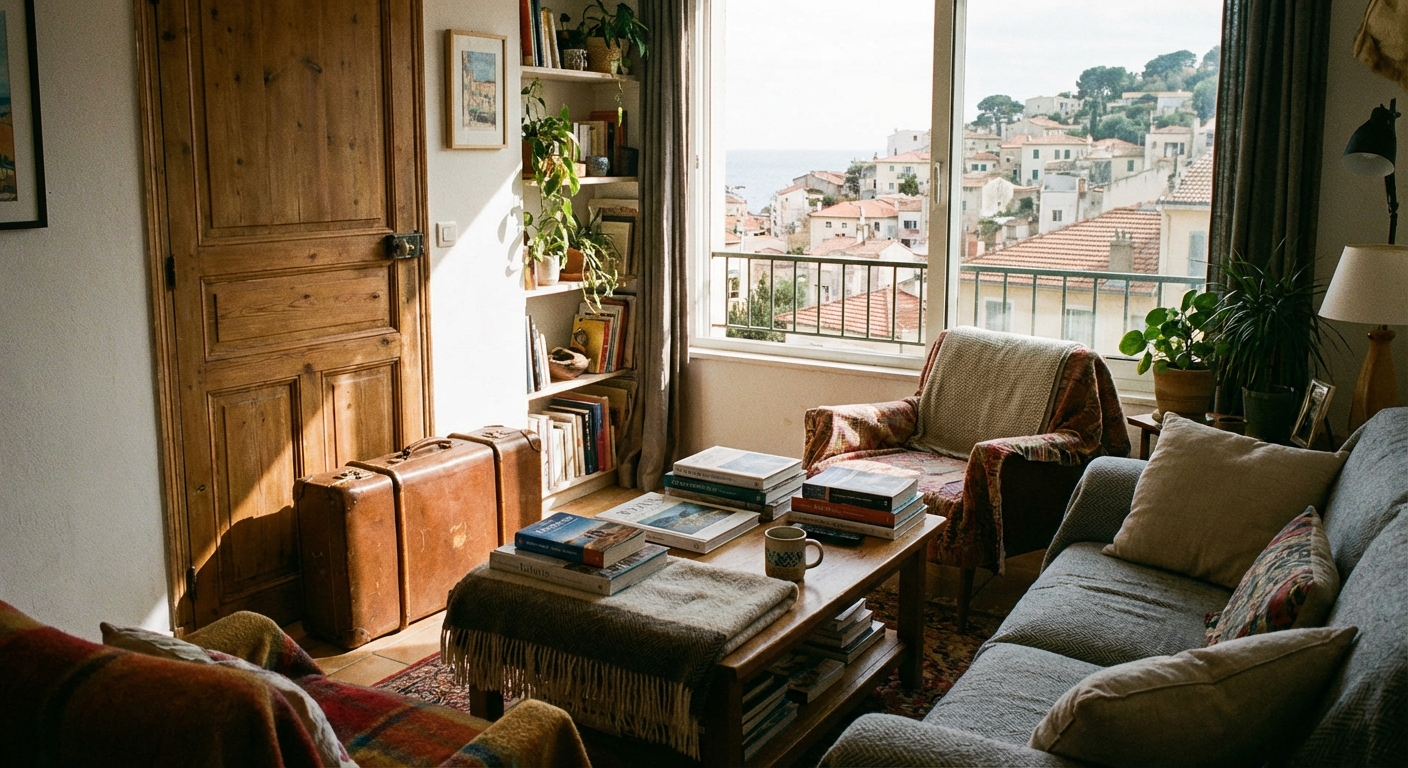
Rent an apartment, not a hotel room. Long-stay apartments are almost always cheaper per night than hotels, and they give you a kitchen, laundry, and a real living space. This is not just about saving money — cooking local ingredients and having a home base fundamentally changes how you experience a place.
Leave room for spontaneity. The whole point of slow travel is to let things unfold naturally. Block out only one or two activities per day maximum, and leave the rest open. Some of the best travel experiences come from wandering without a plan.
Invest in a few local experiences. Take a cooking class. Join a walking tour led by a local. Sign up for a language exchange meetup. These deeper interactions are what separate slow travel from simply being on a long vacation.
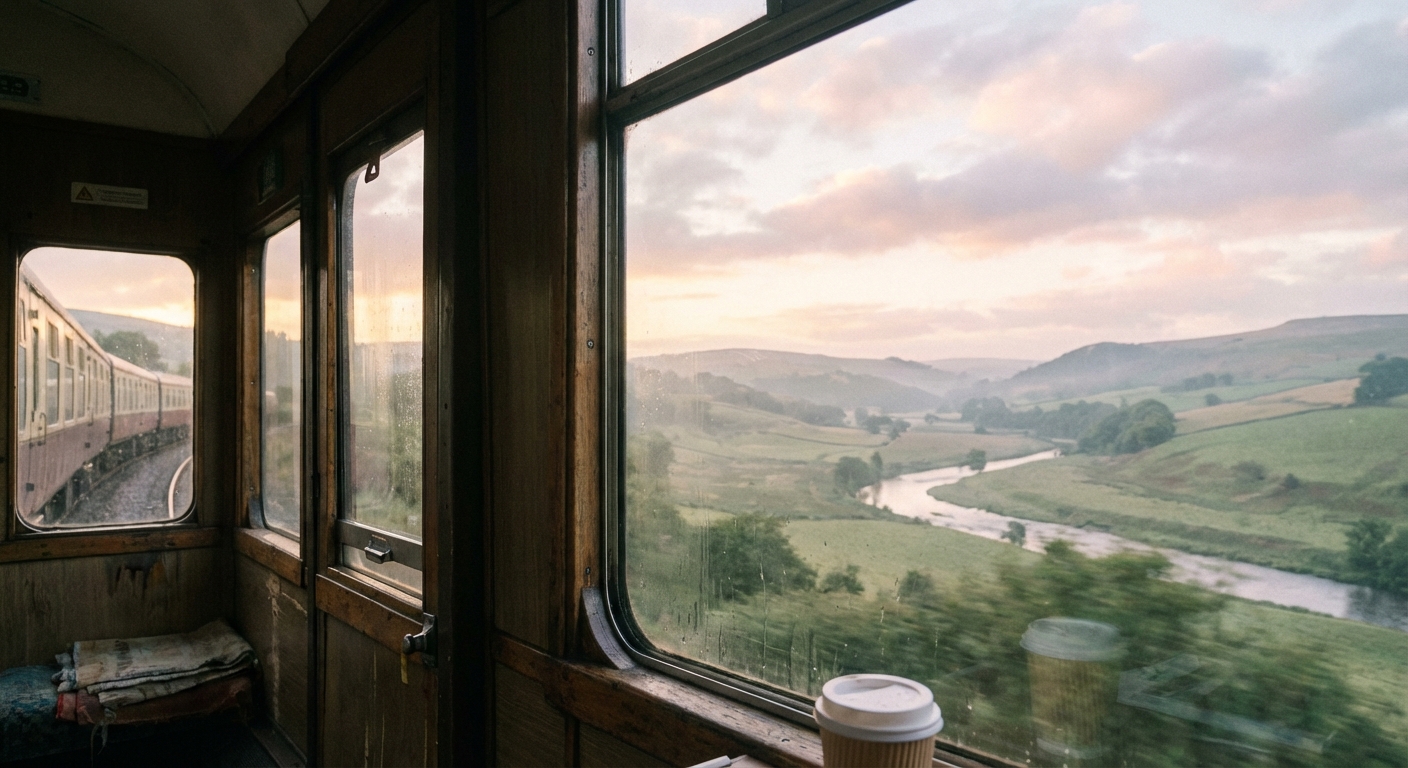
Use trains and buses instead of flights. Overland travel is one of the great pleasures of slow travel. Train journeys let you see the landscape change gradually, arrive in city centers rather than suburban airports, and avoid the stress of check-in lines and security queues.
The Best Types of Destinations for Slow Travel
Not every destination is equally suited to an extended stay. The best slow travel destinations share a few characteristics.
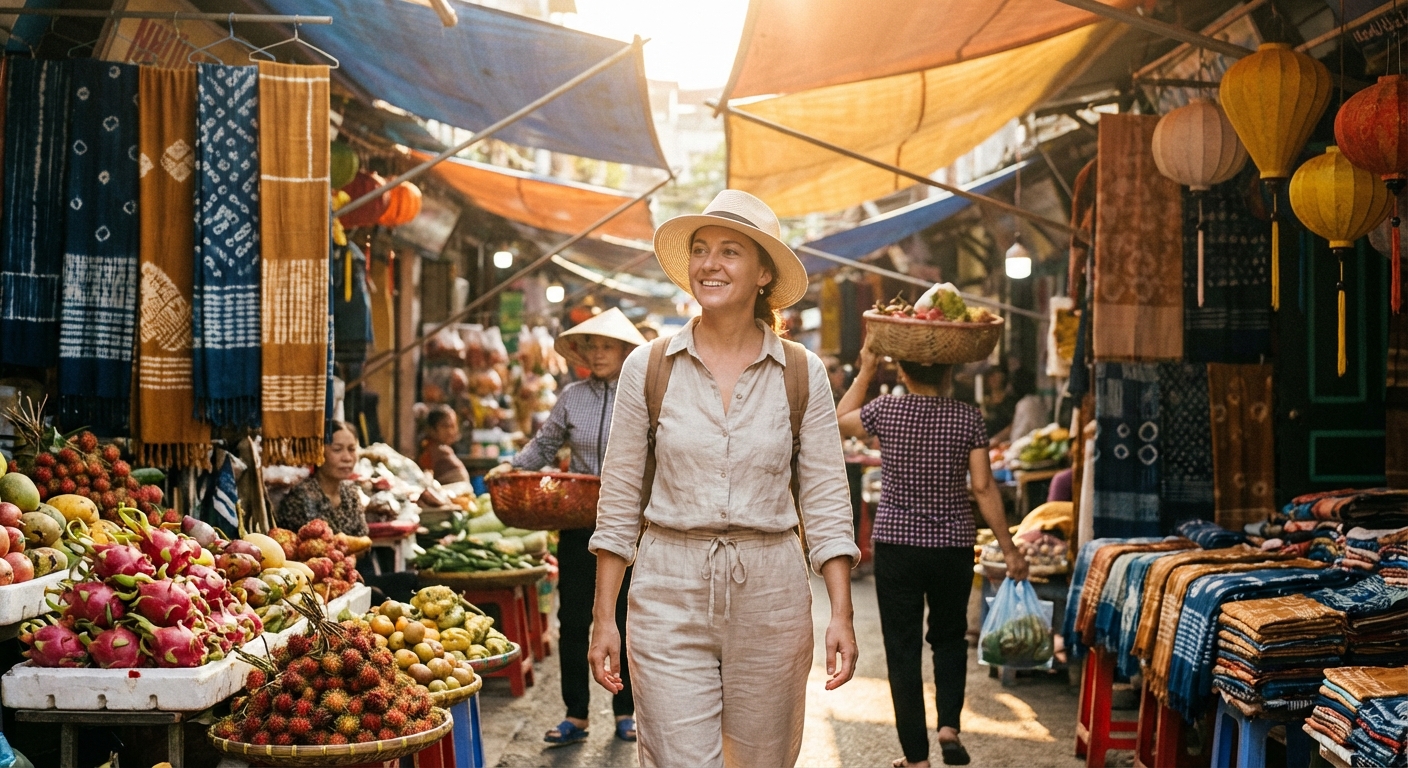
Walkable neighborhoods with local infrastructure. You want a place where you can walk to grocery stores, cafes, parks, and restaurants without needing a car. Compact European cities, Southeast Asian towns, and Latin American neighborhoods with good pedestrian infrastructure tend to work well.
Affordable cost of living relative to your home. Slow travel is most financially sustainable when your destination costs less than your home base. This is why places with favorable exchange rates remain popular for extended stays.
Reliable internet if you are working. If you plan to work remotely, check coworking spaces and cafe wifi speeds before committing. Many destinations now actively market themselves to digital nomads and have built infrastructure to support remote workers.
Mild climate and outdoor access. Being somewhere pleasant enough to walk around daily makes a huge difference during a long stay. Proximity to nature — a coastline, hiking trails, a river — gives you low-cost daily activities.
A food culture you enjoy. When you are eating local food every day for weeks, you want to be somewhere with a cuisine you genuinely love. This sounds obvious, but it is one of the most underrated factors in choosing an extended-stay destination.
Common Slow Travel Mistakes to Avoid
Over-planning. The biggest mistake is treating a three-week trip like a three-day trip with more activities. Resist the urge to fill every day with scheduled events.
Comparing it to fast travel. If you measure success by the number of sights you visited, slow travel will feel unproductive. Redefine what a good travel day looks like — maybe it is just a long walk, a good meal, and an interesting conversation.
Isolating yourself. Slow travel gives you time to build connections, but only if you make an effort. Seek out social opportunities, whether that is a coworking space, a local club, or a regular spot where you become a familiar face.
Ignoring the transition period. The first few days in a new place are always a bit disorienting. Give yourself permission to feel unsettled for the first two or three days. It takes time to shift from tourist mode to resident mode.
Is Slow Travel Right for You
Slow travel is not for everyone, and that is fine. If you have limited vacation time and a long bucket list, a fast-paced trip might make more sense for your goals. If you are the type who gets restless after a few days in one place, extended stays might feel confining.
But if you have ever returned from a trip feeling like you never really connected with where you went — if you have scrolled through your travel photos and realized you cannot remember the story behind half of them — slow travel might be exactly what you need.
The trend is clear: more people are choosing depth over breadth, experiences over attractions, and connection over consumption. And those who try slow travel rarely go back to the old way of doing things.