Every ounce counts on the trail. Whether you're planning a weekend overnighter or a month-long thru-hike, cutting pack weight is one of the most impactful things you can do for your comfort, endurance, and enjoyment.
The ultralight backpacking movement has gone mainstream in 2026, driven by breakthroughs in fabric technology and a growing community of hikers who've discovered that lighter doesn't have to mean less comfortable. Here's how to lighten your load the smart way.
What Counts as Ultralight?
The ultralight community generally defines base weight categories as follows:
- Traditional backpacking: Base weight over 20 pounds
- Lightweight: Base weight between 10 and 20 pounds
- Ultralight: Base weight under 10 pounds
- Super ultralight: Base weight under 5 pounds
Base weight includes everything in your pack except consumables like food, water, and fuel. For most hikers, getting from traditional to lightweight is achievable with smart gear choices. Getting to true ultralight requires more intentional trade-offs.
The Big Three: Where Weight Really Lives
Your shelter, sleep system, and backpack — the "Big Three" — typically account for 60 to 70 percent of your base weight. This is where the biggest gains are.
Shelter
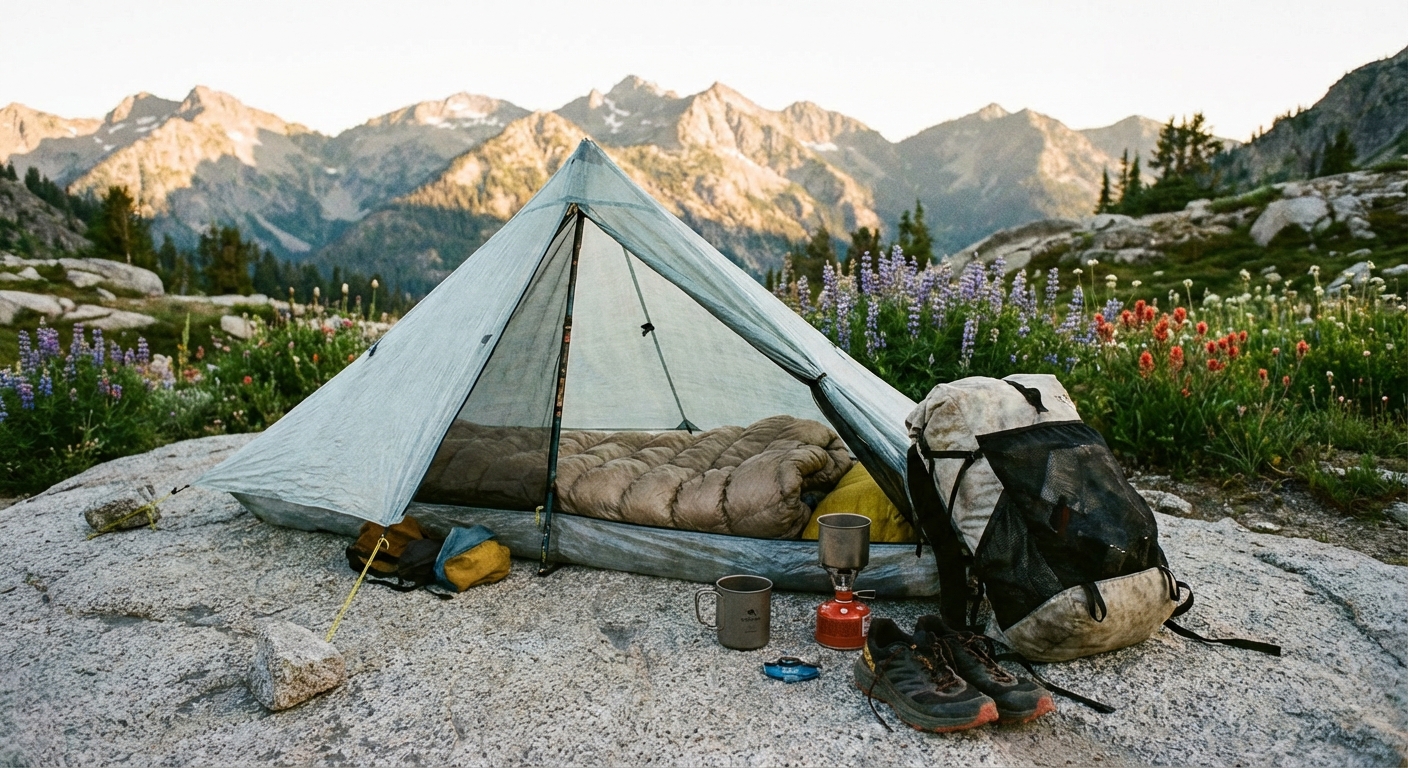
The biggest development in 2026 shelters is the widespread adoption of next-generation composite fabrics that are dramatically lighter and stronger than traditional nylon or polyester. A quality one-person tent now weighs as little as one pound without sacrificing weather protection.
Key features to look for:
- Pitch-outer-first design — Lets you set up the rainfly before clipping in the inner tent, keeping everything dry in rain
- Trekking pole compatible — Eliminates the need to carry dedicated tent poles, saving 8 to 12 ounces
- Single-wall vs. double-wall — Single-wall saves weight but can have condensation issues in humid climates. Double-wall adds a few ounces but sleeps drier
Sleep System
Your sleeping bag or quilt and sleeping pad together often weigh 3 to 5 pounds in a traditional setup. Ultralight options can cut this in half.
- Quilts vs. sleeping bags — Quilts eliminate the insulation underneath you (which gets compressed and is useless anyway) and can save 8 to 16 ounces compared to a similarly rated sleeping bag
- Down vs. synthetic — Down offers the best warmth-to-weight ratio and packs smaller. Look for water-resistant treated down if you hike in wet climates
- Pad R-value — Don't sacrifice insulation for weight savings on your pad. A cold night will ruin your trip faster than an extra 4 ounces
Backpack
Ultralight packs have evolved significantly. The latest designs use advanced composite materials that weigh under 20 ounces for a 40-liter pack while still providing hip belt support and comfortable shoulder straps.
Look for:
- Articulated hip belts that transfer weight effectively
- Running vest-style shoulder straps for better load distribution
- Large side pockets accessible while wearing the pack
- Roll-top closures that add waterproofing without extra weight
Beyond the Big Three: Smart Savings
Once you've addressed the Big Three, smaller savings add up:
Cooking System
- Going stoveless (cold soaking) eliminates stove, fuel canister, pot, and lighter — saving a pound or more
- If you prefer hot meals, alcohol stoves weigh almost nothing compared to canister stoves
- Titanium cookware cuts weight by 40 percent compared to aluminum
Clothing
- Merino wool base layers dry faster and resist odor, meaning you can carry fewer clothing changes
- A lightweight wind shirt (2 to 3 ounces) handles 80 percent of the conditions where you'd reach for a heavier jacket
- Rain gear doubles as wind protection — carry one versatile waterproof layer instead of separate wind and rain shells
Electronics and Navigation
- Your phone plus a compact battery bank replaces a dedicated GPS, camera, and headlamp (in a pinch)
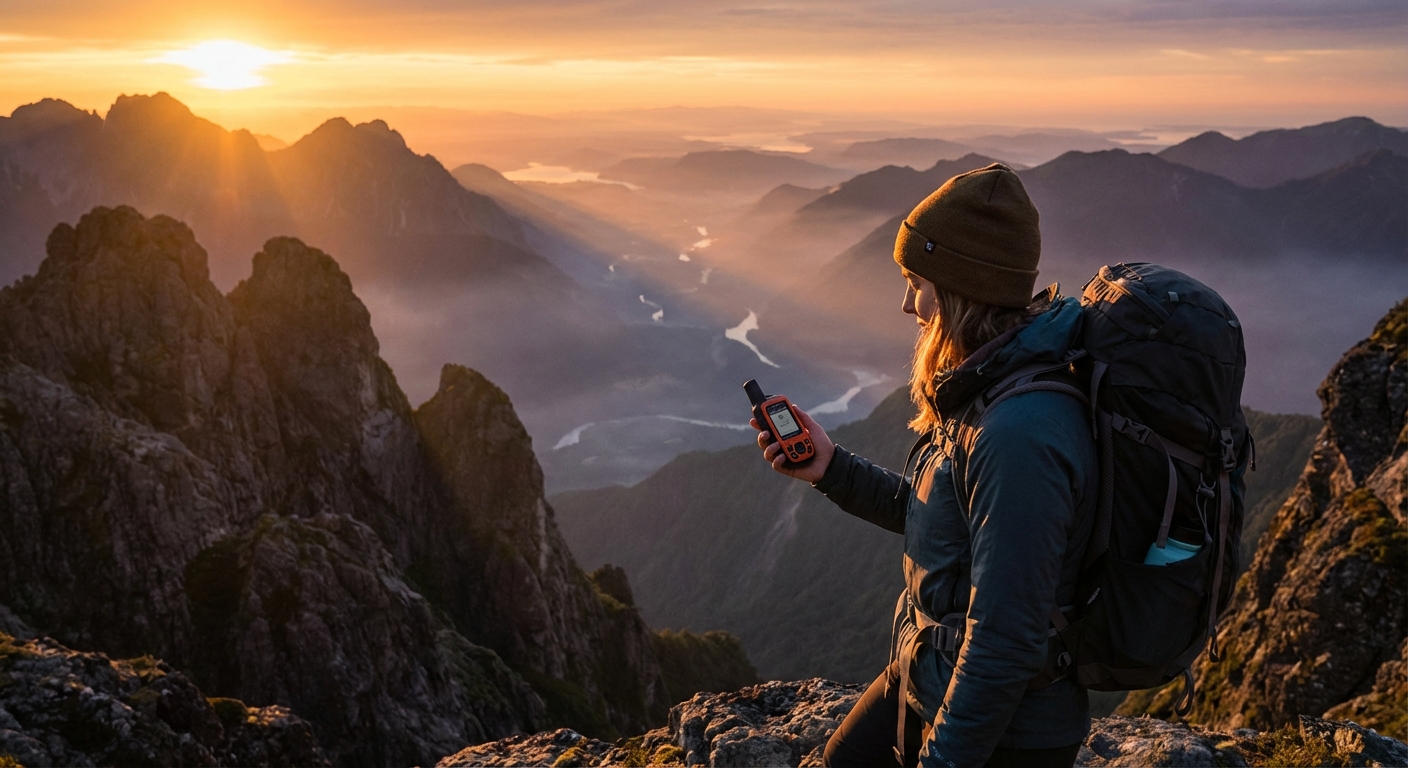
- Miniaturized GPS trackers and smart watches with trail navigation have improved dramatically in 2026
- Clip-on sensors can monitor weather changes and altitude without adding meaningful weight

The Ultralight Mindset
Cutting weight isn't just about buying lighter gear — it's about critically evaluating what you actually need:
- The "did I use it?" test — After each trip, separate gear you used from gear you carried but never touched. Be honest with yourself
- Multi-use items — A bandana can be a towel, pot holder, sun protection, and water pre-filter. Trekking poles support your shelter. Your rain jacket is your wind layer
- Know your conditions — Don't carry gear for conditions you won't encounter. Check the forecast and adjust your kit for each specific trip
- Consumable strategy — Plan water carries and resupply points carefully. Carrying two liters of water you won't need before the next source adds over four pounds
Common Ultralight Mistakes to Avoid
- Cutting safety items — Always carry navigation tools, a first aid kit, emergency shelter, and a headlamp regardless of weight goals
- Going too light on insulation — Hypothermia risk isn't worth saving a few ounces. When in doubt, bring the warmer option
- Ignoring durability — The lightest gear isn't useful if it fails on trail. Make sure ultralight fabrics are appropriate for your terrain
- Chasing grams before fitness — Improving your trail fitness will make a bigger difference than shaving 2 ounces off your spork. Get your Big Three dialed first, then optimize further
Getting Started
If you're new to ultralight backpacking, don't try to overhaul your entire kit at once. Start with the Big Three — upgrading your shelter, sleep system, and pack will get you the most dramatic results. Then gradually replace other items as your current gear wears out.
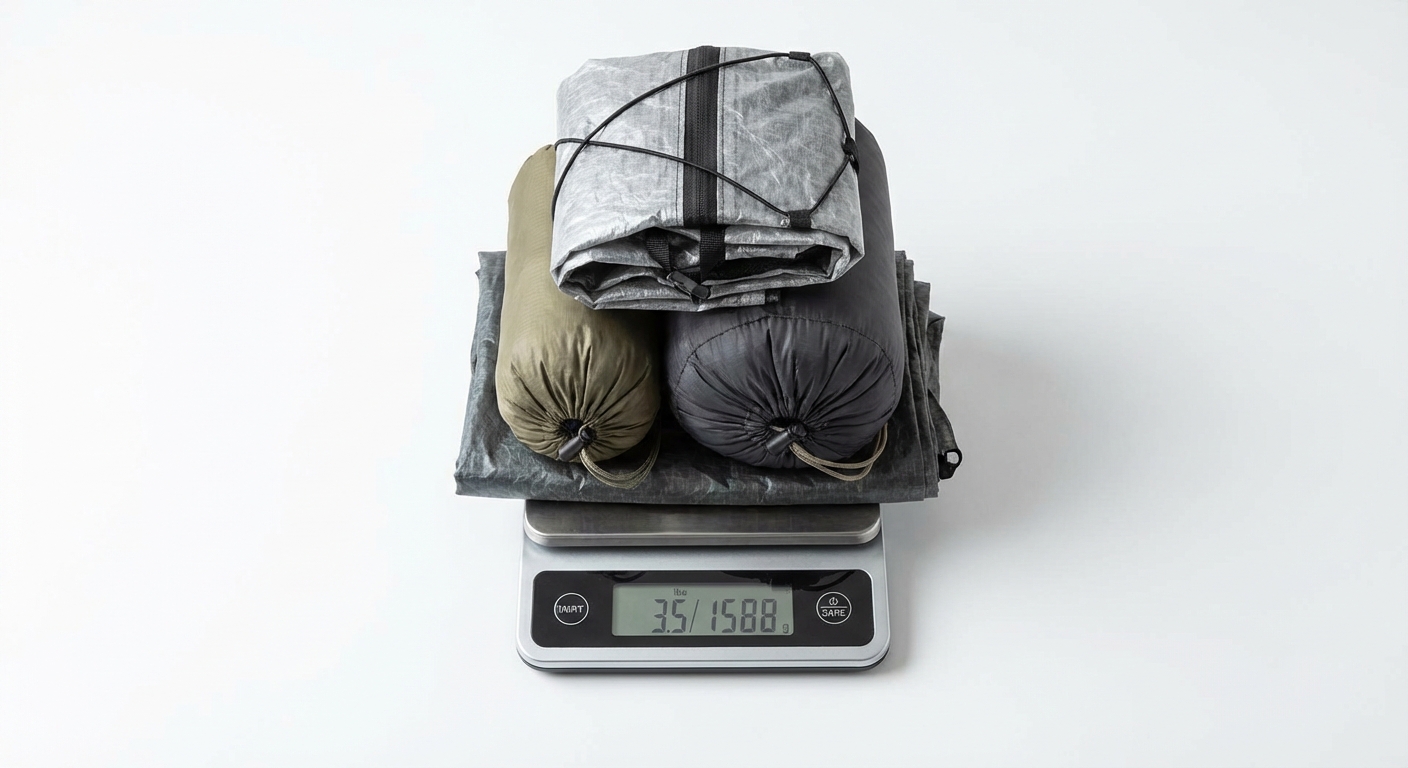
Weigh everything with a kitchen scale and create a gear spreadsheet. Seeing the actual numbers makes it much easier to identify where weight is hiding and where smart swaps can make a real difference.
The trail is always more enjoyable with a lighter pack on your back.