Protein has officially become the most sought-after macronutrient of 2026. From high-protein snack bars lining grocery aisles to restaurants highlighting protein counts on menus, the demand for this essential nutrient has never been higher. But here's the thing: you don't need powders, shakes, or capsules to hit your protein goals.
With a few smart strategies and some kitchen know-how, you can weave high-quality protein into every meal using whole foods alone. Here's how to make it happen.
Why Protein Demand Is Surging
The protein boom isn't a fad. Research continues to confirm that adequate protein intake supports muscle maintenance, satiety, metabolic health, and healthy aging. As the population becomes more health-conscious and conversations around longevity grow louder, protein has taken center stage.
The shift is also driven by a growing understanding that spreading protein intake throughout the day — rather than loading it all into dinner — leads to better absorption and utilization. This concept, sometimes called protein distribution, is changing how people plan their meals.
Breakfast: Beyond the Cereal Bowl
Breakfast is where most people fall short on protein. A typical morning of toast and coffee delivers maybe ten grams at best. With a few swaps, you can easily triple that.
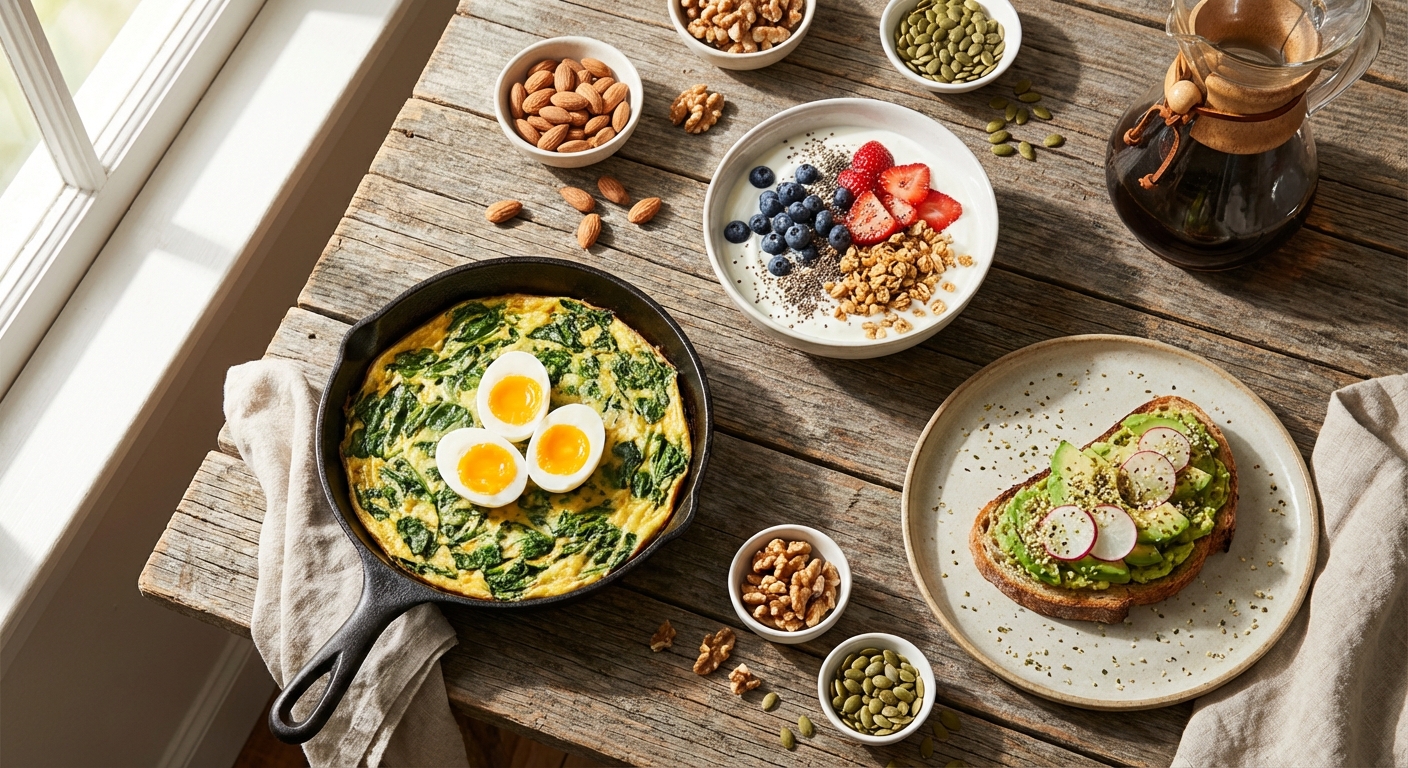
- Eggs are your best friend. Two eggs deliver about twelve grams of protein, and they're endlessly versatile. Scrambled, poached, baked into a frittata, or folded into a wrap — eggs anchor a protein-rich breakfast.
- Greek yogurt packs roughly fifteen to twenty grams per serving. Top it with nuts and seeds for another five to eight grams.
- Cottage cheese is having a major comeback. Blended into smoothies or topped with fruit, it delivers up to twenty-five grams per cup.
- Overnight oats become protein-rich when you stir in nut butter, chia seeds, and a scoop of hemp hearts.
The key is making protein the foundation of your breakfast, not an afterthought.
Lunch: Building a Better Midday Plate
Lunch often defaults to carb-heavy options like sandwiches and pasta. Reframing lunch around a protein source transforms both the nutrition and the satisfaction level of the meal.
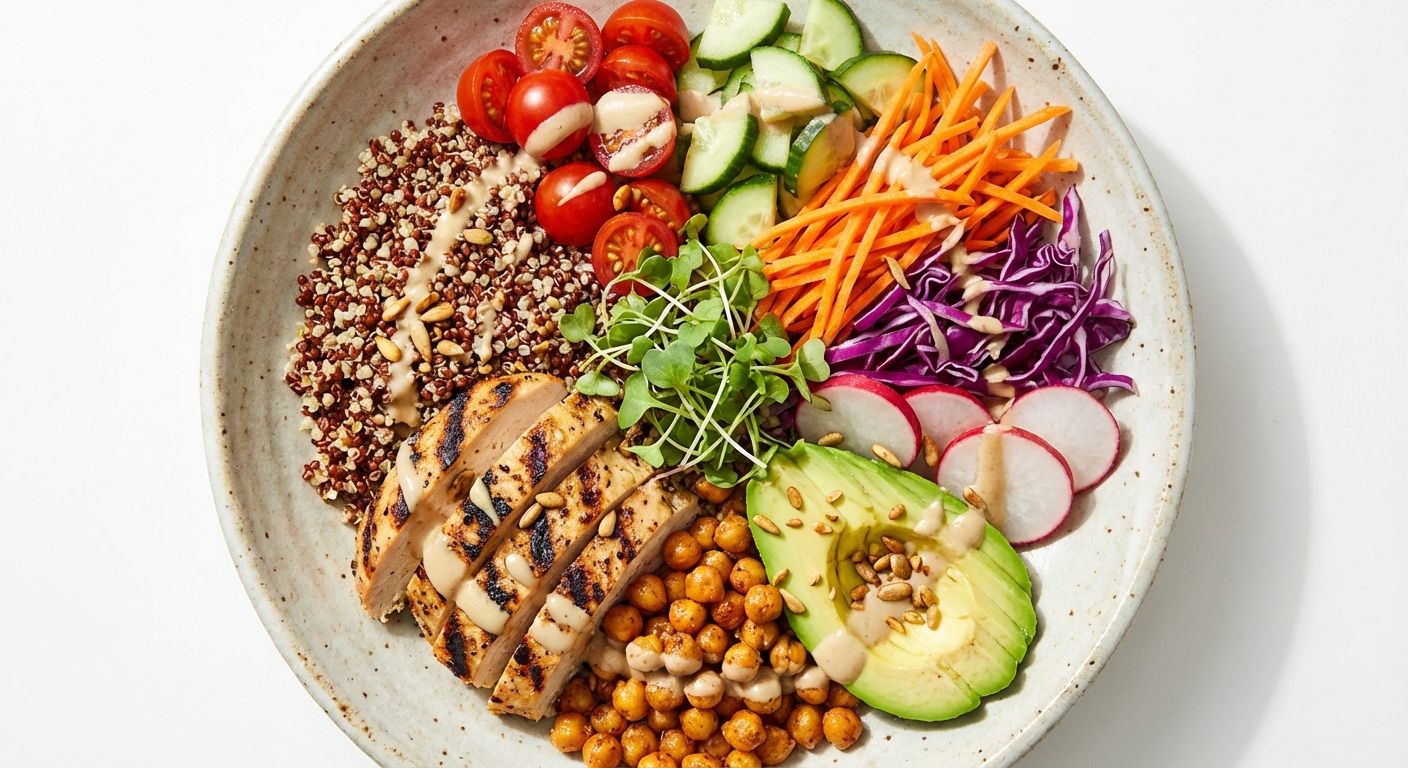
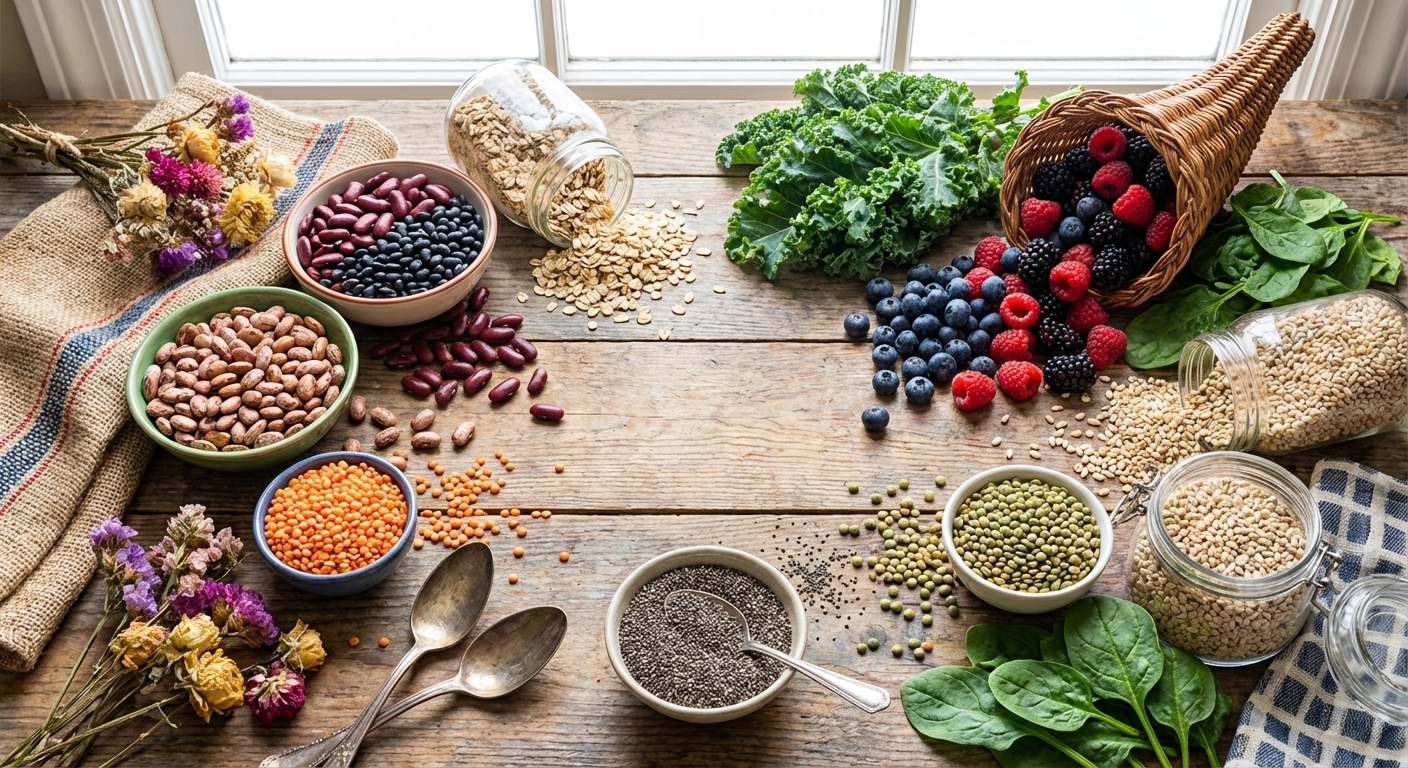
- Legume-based salads — think lentils, chickpeas, or black beans — deliver both protein and fiber, keeping you full through the afternoon slump.
- Grain bowls work best when you start with a base of quinoa (eight grams per cup) and add a generous portion of grilled chicken, fish, tofu, or tempeh.
- Soups and stews are underrated protein vehicles. A hearty bean soup or chicken chili can easily deliver thirty grams per serving.
- Wraps and sandwiches improve dramatically when you double the filling and add hummus or a bean spread instead of mayo.
Snacks That Actually Contribute
Snacking is where protein often disappears from the day. Crackers, fruit, and chips are convenient but protein-poor. Swapping in high-protein snacks bridges the gap between meals.
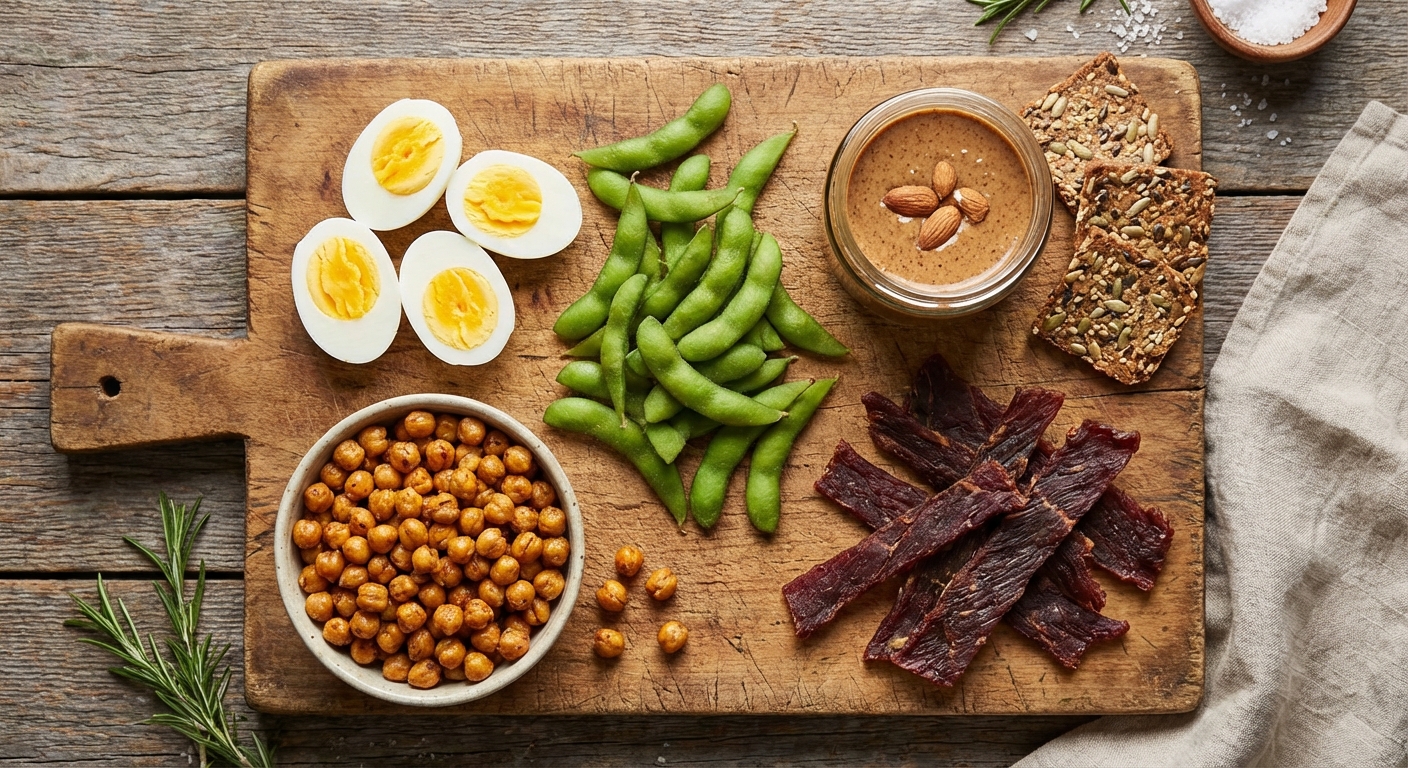
- Hard-boiled eggs are portable and deliver six grams each
- Edamame offers seventeen grams per cup and takes two minutes to prepare
- Jerky or dried meat provides about ten grams per ounce
- Nut butter on whole grain toast combines protein, healthy fats, and complex carbs
- Roasted chickpeas are crunchy, flavorful, and pack about seven grams per half cup
Keep a rotation of these options ready so you're never caught reaching for empty calories.
Dinner: Maximizing the Main Event
Dinner is typically where protein intake is highest, but there's still room to optimize.
- Combine animal and plant proteins. A stir-fry with chicken and edamame, or fish served over a bed of lentils, gives you a broader amino acid profile and more total protein.
- Don't forget the sides. Swap plain rice for quinoa or farro. Add a side of roasted chickpeas or a white bean mash instead of plain mashed potatoes.
- Batch cook protein sources on the weekend. Grilled chicken, baked fish, marinated tofu, and cooked beans all keep well and make weeknight assembly fast.
- Use cheese strategically. A sprinkle of aged cheese on roasted vegetables or a pasta dish adds both flavor and a protein boost.
The Multifunctional Meal Approach
One of the biggest nutrition trends of 2026 is multifunctionality — getting more nutritional value from every bite. Instead of single-purpose foods, people are seeking ingredients that deliver protein alongside fiber, healthy fats, vitamins, or anti-inflammatory compounds.
Foods that exemplify this approach include salmon (protein plus omega-3s), lentils (protein plus fiber plus iron), eggs (protein plus choline plus B vitamins), and Greek yogurt (protein plus probiotics plus calcium).
When you choose multifunctional ingredients, you naturally hit multiple nutritional targets without overcomplicating your meals.
How Much Protein Do You Actually Need?
The general recommendation for most adults is 0.7 to 1.0 grams of protein per pound of body weight per day, depending on activity level and goals. For a 150-pound person, that's roughly 105 to 150 grams daily.
Spread that across four eating occasions — breakfast, lunch, snack, dinner — and each one needs to deliver about 25 to 40 grams. That's entirely achievable with whole foods when you plan ahead.
Start Simple and Build
You don't need to overhaul your entire diet overnight. Start by auditing your current meals: where is protein missing or low? Make one swap per meal for a week — add eggs to breakfast, beans to lunch, a better snack — and you'll see the difference in both your energy levels and how long you stay satisfied between meals.
The protein revolution isn't about supplements or extreme diets. It's about making smarter choices with the whole foods already available to you.