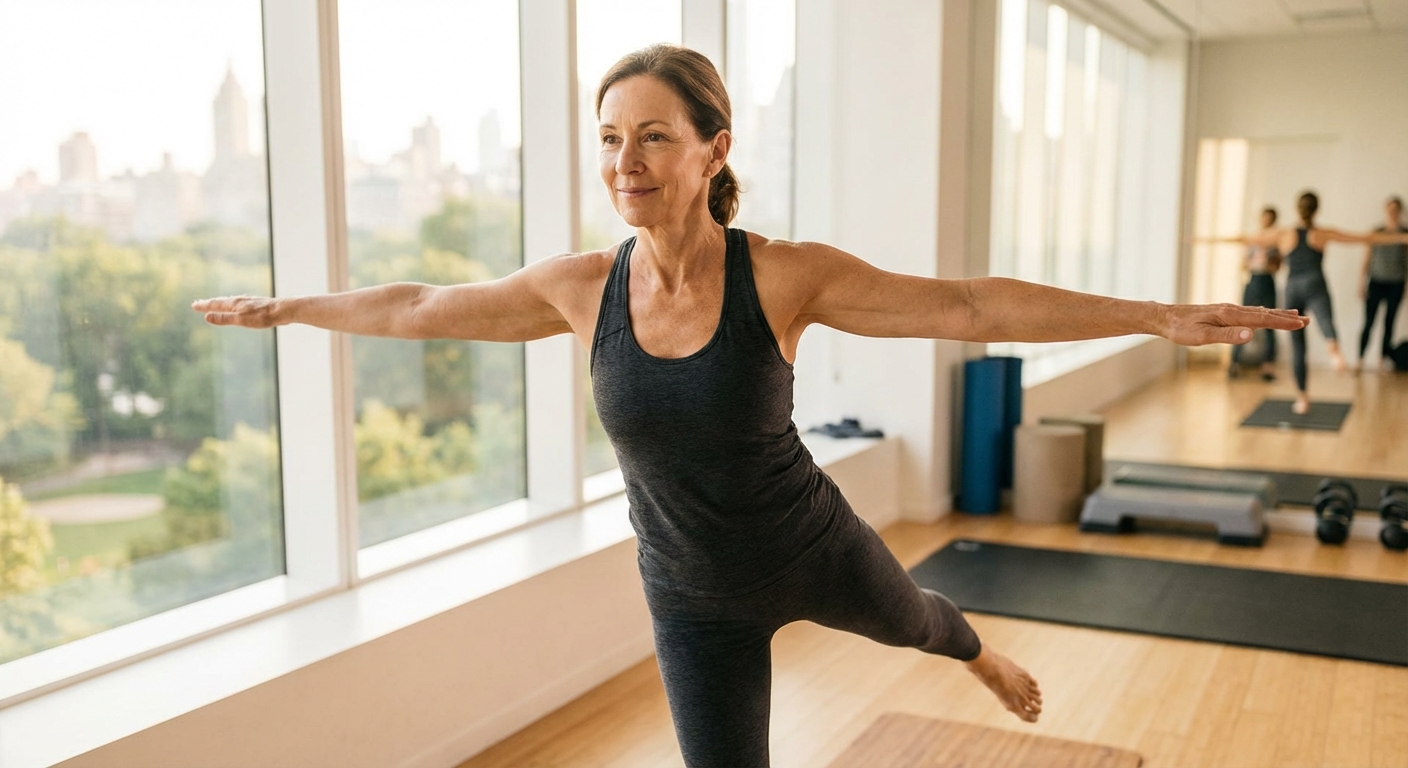
The fitness world is shifting. Instead of chasing six-pack abs or personal records, a growing number of people are asking a different question: will I still be able to move well at seventy, eighty, or beyond?
This is the core idea behind longevity training — a workout philosophy built around staying functional, capable, and injury-free for the long haul. In 2026, it's become one of the fastest-growing trends in fitness, and for good reason.
What Is Longevity Training?
Longevity training isn't a specific program or class. It's an approach to exercise that prioritizes the physical capacities you'll need most as you age: balance, mobility, grip strength, cardiovascular endurance, and the ability to get up off the floor without assistance.
The shift is subtle but profound. Traditional fitness asks "how much can you lift?" Longevity training asks "can you carry groceries up three flights of stairs at age seventy-five?"
This doesn't mean you stop lifting heavy or skip intense workouts. It means every training decision gets filtered through the lens of long-term functionality.
The Five Pillars of Longevity Fitness
A well-rounded longevity training program addresses five key areas. Neglecting any one of them creates a weak link that can lead to injury or loss of independence later in life.
Mobility and flexibility form the base. Without adequate range of motion in your hips, shoulders, ankles, and spine, every other movement becomes compensated and risky. Daily mobility work — even just ten minutes — pays enormous dividends over decades.
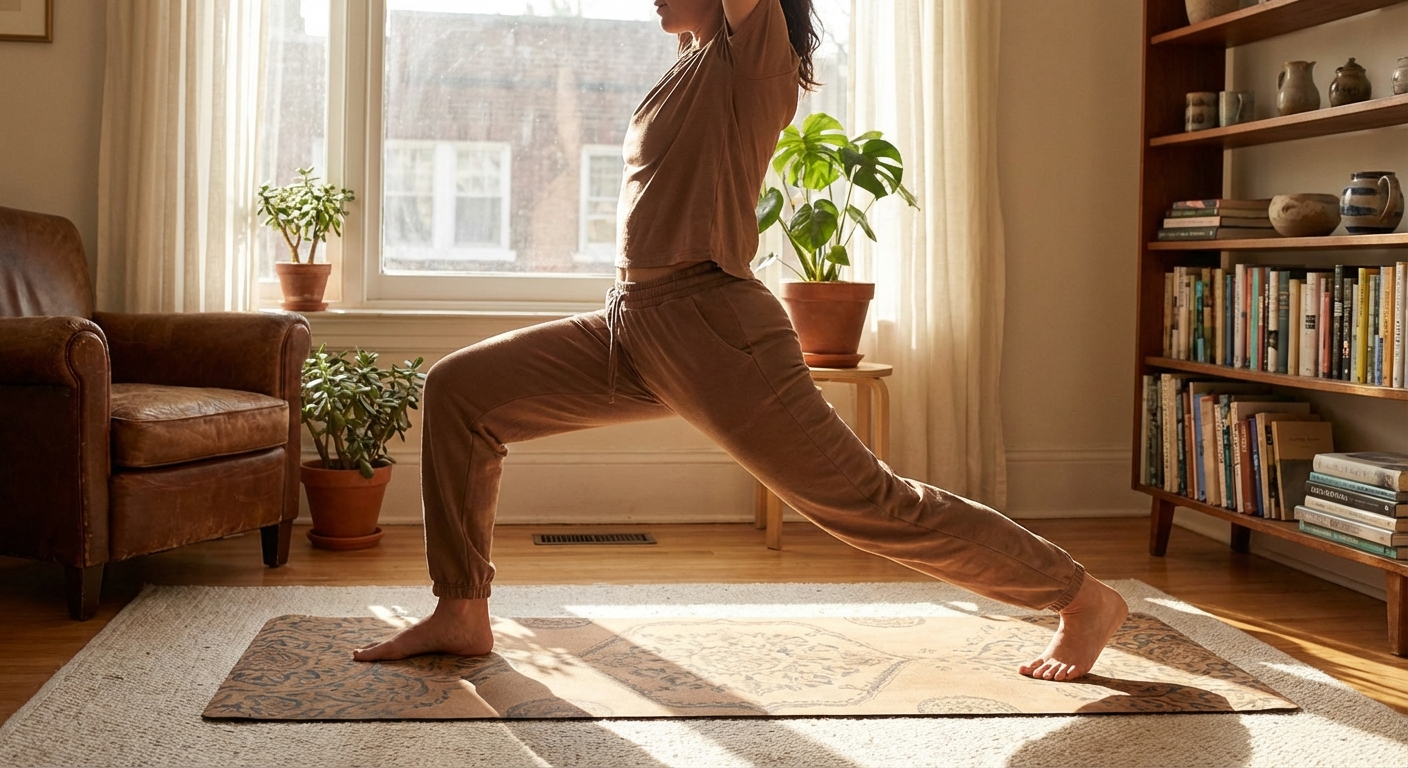
Balance and stability decline faster than most people realize. Single-leg exercises, unstable surface work, and reactive balance drills train the systems that prevent falls, which remain one of the leading causes of serious injury in older adults.
Strength — especially in functional patterns like squatting, hinging, pushing, pulling, and carrying — preserves muscle mass and bone density. Both begin declining in your thirties without deliberate resistance training.
Cardiovascular endurance keeps your heart, lungs, and vascular system healthy. A mix of steady-state cardio and higher-intensity interval work provides the broadest protective benefits.
Power and reaction time are the most age-sensitive physical qualities. Explosive movements like medicine ball throws, jump variations, and quick-change-of-direction drills maintain the fast-twitch muscle fibers that disappear first with aging.
A Sample Longevity Training Week
Here's what a balanced longevity-focused week might look like for someone who trains four to five days:
- Monday: Strength training focused on lower body — squats, lunges, hip hinges, single-leg work. Finish with ten minutes of mobility.
- Tuesday: Cardiovascular endurance — a thirty to forty-five minute zone-two session (conversational pace walking, cycling, or swimming). Add five minutes of balance work.
- Wednesday: Upper body strength — push-ups, rows, overhead presses, loaded carries. Include grip work like farmer's carries or dead hangs.
- Thursday: Active recovery — a long walk, yoga flow, or extended mobility session.
- Friday: Power and agility — medicine ball work, box step-ups with speed, lateral shuffles, and reaction drills. Finish with interval cardio (four to six rounds of 30 seconds hard, 90 seconds easy).
- Weekend: Recreational movement — hiking, playing sports, gardening, dancing, or any activity you genuinely enjoy.
The specific exercises matter less than covering all five pillars consistently over time.
Why Grip Strength Deserves Special Attention
Researchers have identified grip strength as one of the strongest predictors of overall health and longevity. It correlates with heart health, bone density, cognitive function, and all-cause mortality risk.
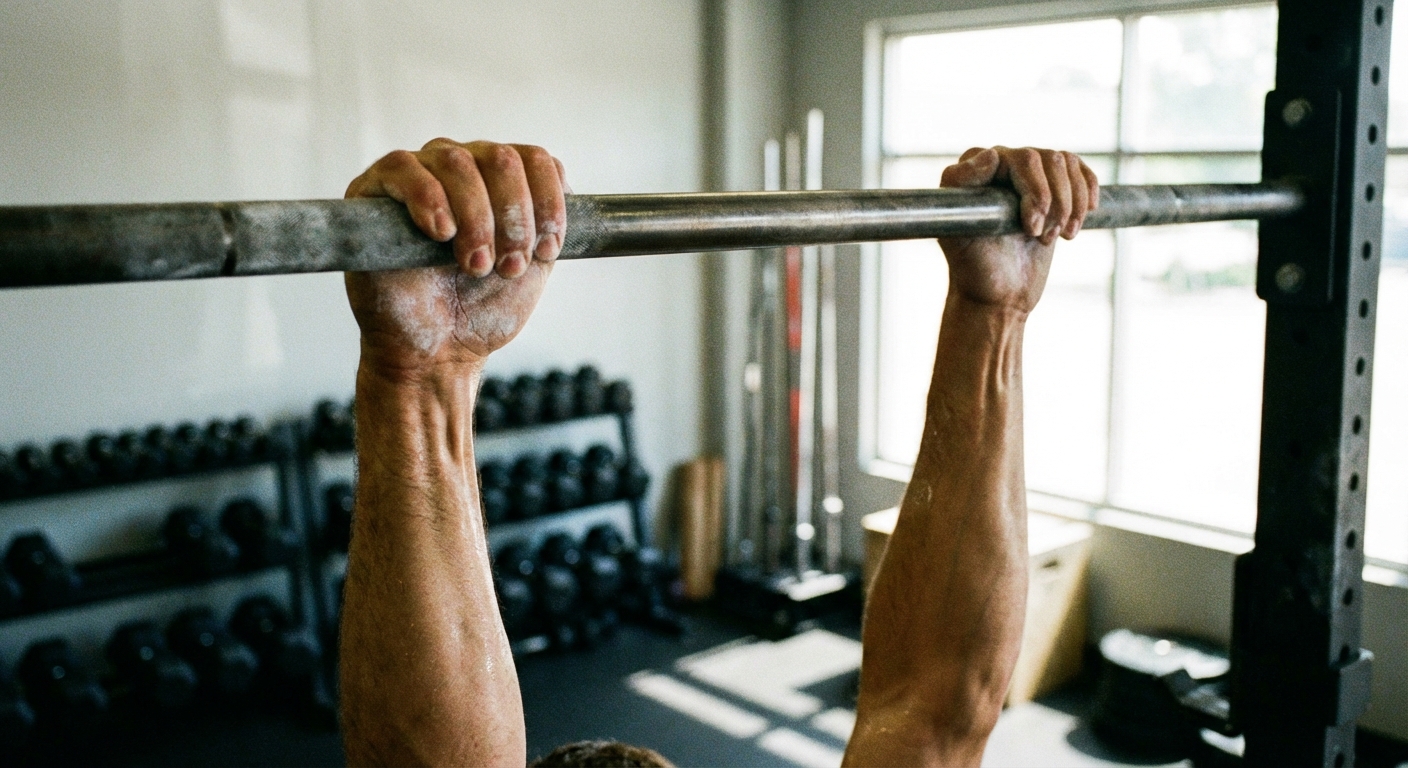
Fortunately, grip strength responds well to training at any age. Dead hangs from a pull-up bar, farmer's carries with heavy weights, towel pull-ups, and even squeezing a stress ball all contribute. Aim to include some form of grip work two to three times per week.
The Floor Test You Should Try Today
One simple assessment used in longevity medicine is the sit-rise test. Sit down on the floor without using your hands, knees, or any support. Then stand back up the same way. Each time you use a hand or knee for support, you lose a point.
This test assesses a combination of flexibility, balance, strength, and coordination — all the qualities longevity training aims to preserve. If you struggle with it today, that's not a failure. It's a starting point and a motivation to include ground-based movements in your routine.
The Role of Consistency Over Intensity
The biggest mistake people make when adopting longevity training is thinking it needs to be intense to be effective. The opposite is true. Moderate, consistent training beats sporadic hard efforts every time.
Showing up four times a week for thirty to forty-five minutes will produce better long-term results than crushing yourself in two-hour sessions that leave you too sore to move for three days. Recovery becomes more important as you age, and the ability to train consistently without injury is itself a longevity skill.
It's Never Too Early or Too Late
Whether you're twenty-five or sixty-five, the principles of longevity training apply. Younger people benefit from building the movement foundation and habits early. Older adults benefit from slowing or reversing the functional decline that has already begun.
The best time to start was ten years ago. The second-best time is today. Pick one area from the five pillars where you know you're weakest, add it to your current routine, and build from there. Your future self will thank you for every rep.