Stress management has entered a new era. For decades, the advice was simple: meditate, exercise, get more sleep. And while those fundamentals still matter, a growing category of wellness tools is now helping people take a much more targeted approach to calming their nervous systems and improving mental resilience.
Welcome to the world of neurowellness, where the intersection of brain science and wearable technology is creating entirely new ways to regulate how your body responds to stress, anxiety, and emotional overload.
What Is Neurowellness, Exactly?
Neurowellness refers to the practice of using technology to directly influence and regulate the nervous system. Unlike traditional wellness approaches that rely on behavioral changes alone, neurowellness tools provide real-time feedback about what is happening inside your body and, in some cases, actively intervene to shift your physiological state.
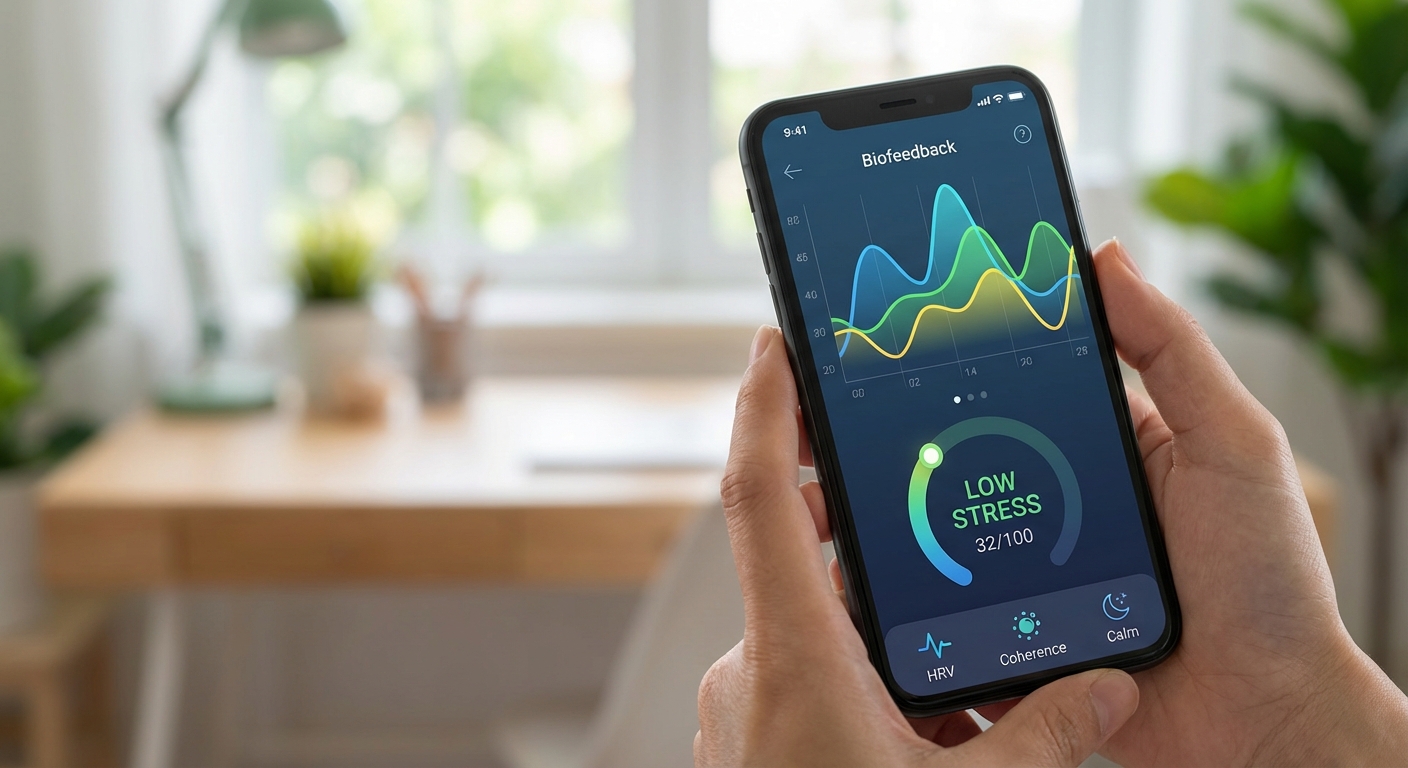
Think of it as the difference between guessing whether your meditation session is working and actually seeing your heart rate variability improve in real time on a screen in front of you.
The concept is not entirely new. Biofeedback therapy has been used in clinical settings for years. What has changed in 2026 is that the technology has become affordable, portable, and consumer-friendly enough for everyday use at home.
The Key Technologies Driving Neurowellness
Several categories of devices and apps are leading this shift. Understanding what each one does can help you figure out which approach might work best for your own stress management routine.
Biofeedback Wearables
These devices measure physiological signals like heart rate variability (HRV), skin conductance, and breathing patterns, then display that information in real time. The idea is that by seeing how your body responds to stress, you can learn to consciously shift those responses. Some wearables use gentle vibrations or audio cues to guide you toward calmer states without you needing to stare at a screen.
Neurostimulation Headbands and Patches
A step beyond passive monitoring, these devices deliver low-level electrical or magnetic stimulation to specific areas of the brain or nervous system. Transcranial direct current stimulation (tDCS) and transcutaneous vagus nerve stimulation (tVNS) are two of the most widely used methods. Users report improvements in focus, reduced anxiety, and better sleep quality, though individual results vary significantly.
Guided Breathwork and Somatic Apps
Software-based approaches are also gaining ground. Modern breathwork apps go far beyond simple timer-based breathing exercises. They use sensor data from your phone or wearable to adapt breathing protocols to your current physiological state, making each session personalized rather than one-size-fits-all.

Why Neurowellness Is Trending Now
Several factors have converged to push neurowellness into the mainstream in 2026.
First, the global conversation about mental health has never been louder. More people than ever are seeking proactive ways to manage stress before it becomes a clinical problem. Second, sensor technology has gotten dramatically cheaper and more accurate. What once required a lab visit now fits in a headband. Third, there is a growing fatigue with purely app-based meditation solutions. Many people tried guided meditation during the pandemic years but struggled to build a consistent habit. Neurowellness tools offer a more active, feedback-driven experience that some find easier to stick with.
The Global Wellness Summit named neurowellness as the number one wellness trend for 2026, and the consumer market is responding with a wave of new products across every price point.
How to Get Started With Neurowellness
If you are curious about trying neurowellness tools, here is a practical roadmap for getting started without overwhelming yourself or your budget.
Start with what you have. Many smartwatches and fitness trackers already measure HRV and stress scores. Before buying a dedicated neurowellness device, explore the stress-tracking features on your current wearable. Learning to interpret that data is the first step.
Try breathwork apps first. Guided breathwork with biofeedback is one of the most accessible entry points. Several apps can use your phone camera or a connected wearable to read your heart rate and adapt breathing exercises accordingly. This costs little or nothing and can produce noticeable results within a few sessions.
Consider a dedicated biofeedback device if you want to go deeper. Headbands and chest straps designed specifically for biofeedback training offer more detailed data than general fitness wearables. Look for devices that measure HRV, EEG (brainwave activity), or both.
Be cautious with neurostimulation. While vagus nerve stimulators and tDCS devices are available over the counter, they interact directly with your nervous system. Research the specific product thoroughly, start with the lowest settings, and consult a healthcare provider if you have any pre-existing conditions.
The Bigger Picture: Neurowellness and Sleep
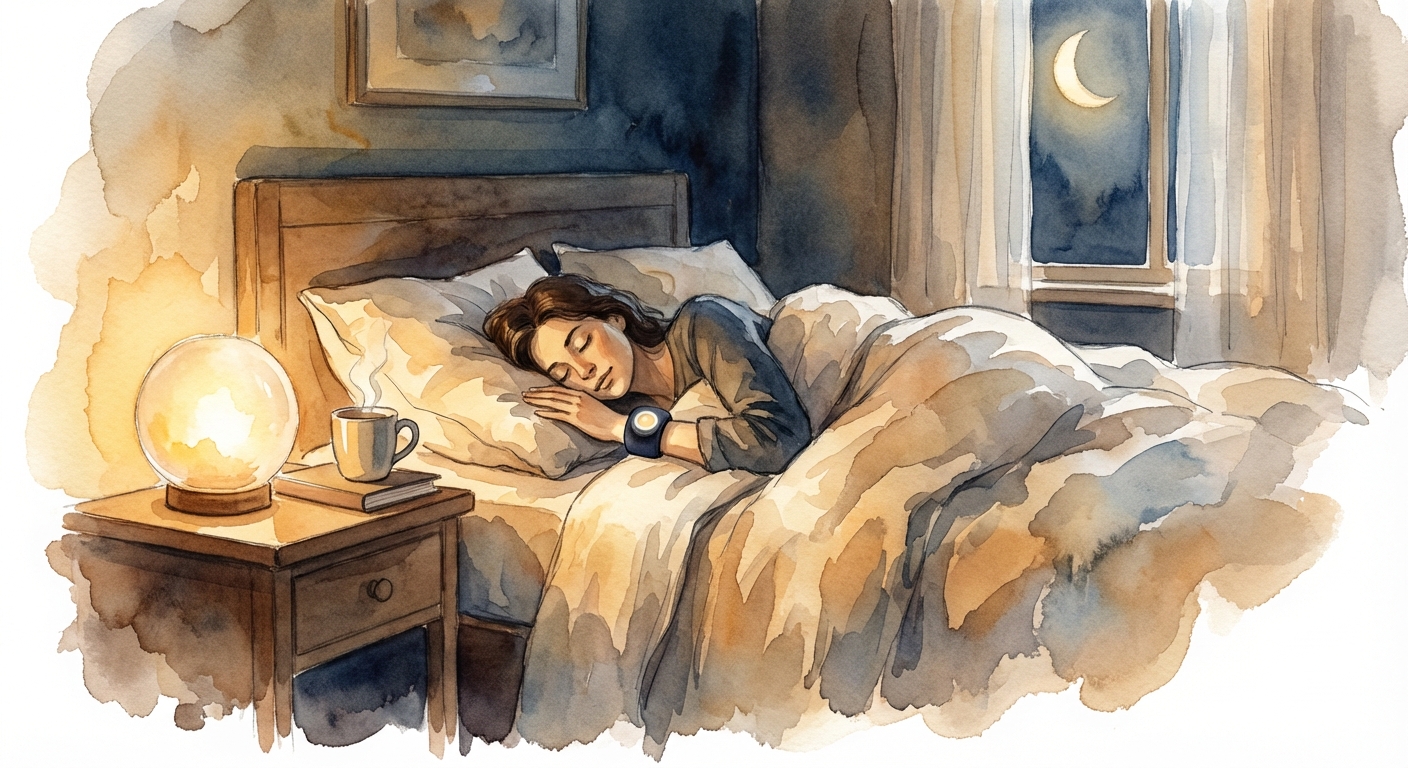
One of the most promising applications of neurowellness technology is sleep improvement. Rather than just tracking how poorly you slept (which most fitness wearables already do), neurowellness devices aim to actively improve sleep quality. Some use gentle audio or vibration patterns timed to your sleep cycles. Others use pre-sleep neurostimulation sessions designed to downregulate your nervous system before bed.
For people who find that their mind races at bedtime despite good sleep hygiene habits, these active intervention tools represent a genuinely different approach from what has been available before.
What to Watch For
As with any fast-growing wellness category, it is worth approaching neurowellness with healthy skepticism. Not every product on the market has strong clinical evidence behind it, and marketing claims can outpace the science. Look for devices that reference peer-reviewed studies, offer transparent data about their methodology, and have realistic claims about outcomes.
The most effective neurowellness tools are those that complement, rather than replace, foundational health habits. No headband will undo the effects of chronic sleep deprivation, a sedentary lifestyle, or poor nutrition. But for people who already have those basics covered and want an extra edge in managing stress and building mental resilience, neurowellness technology in 2026 offers some genuinely compelling options.