Rest Is No Longer a Sign of Weakness
For years, fitness culture celebrated grinding. More reps, more miles, more intensity. Rest days were for people who were not serious enough. In 2026, that mindset has flipped entirely.
Recovery culture is now one of the dominant forces in fitness and wellness. Gyms are adding dedicated recovery zones. Fitness facilities are offering recovery-only memberships. And the most committed athletes — amateur and professional alike — are scheduling recovery sessions with the same discipline they give to their training.
This is not about laziness. It is about understanding that the body does not get stronger during a workout. It gets stronger during the recovery that follows.
The Science Behind the Shift
Exercise is fundamentally a process of controlled stress. When you lift weights, run, or do any demanding physical activity, you create microscopic damage in your muscle fibers, deplete energy stores, and trigger inflammatory responses. This is normal and necessary.
But adaptation — the actual getting stronger, faster, or more enduring — happens during recovery. Your body repairs damaged tissue, builds new muscle fibers, restores glycogen, and recalibrates your nervous system. Without adequate recovery, this process stalls or reverses, leading to overtraining, chronic fatigue, increased injury risk, and stalled progress.
Research consistently shows that under-recovery is far more common than overtraining in dedicated exercisers. Most people are not doing too much work — they are allowing too little time to absorb it.
What Recovery Culture Actually Looks Like
Recovery in 2026 goes far beyond "take a day off." It is an active, intentional practice with several layers:
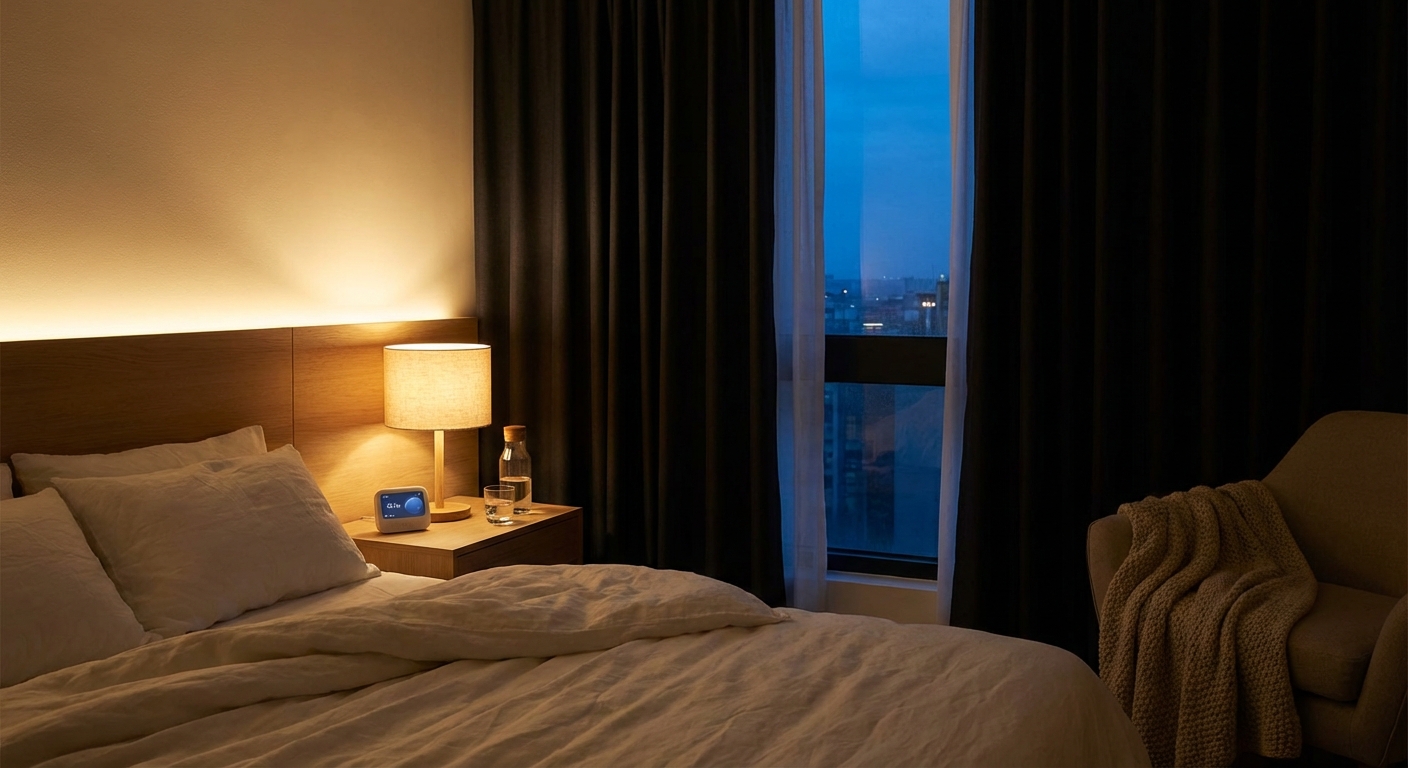
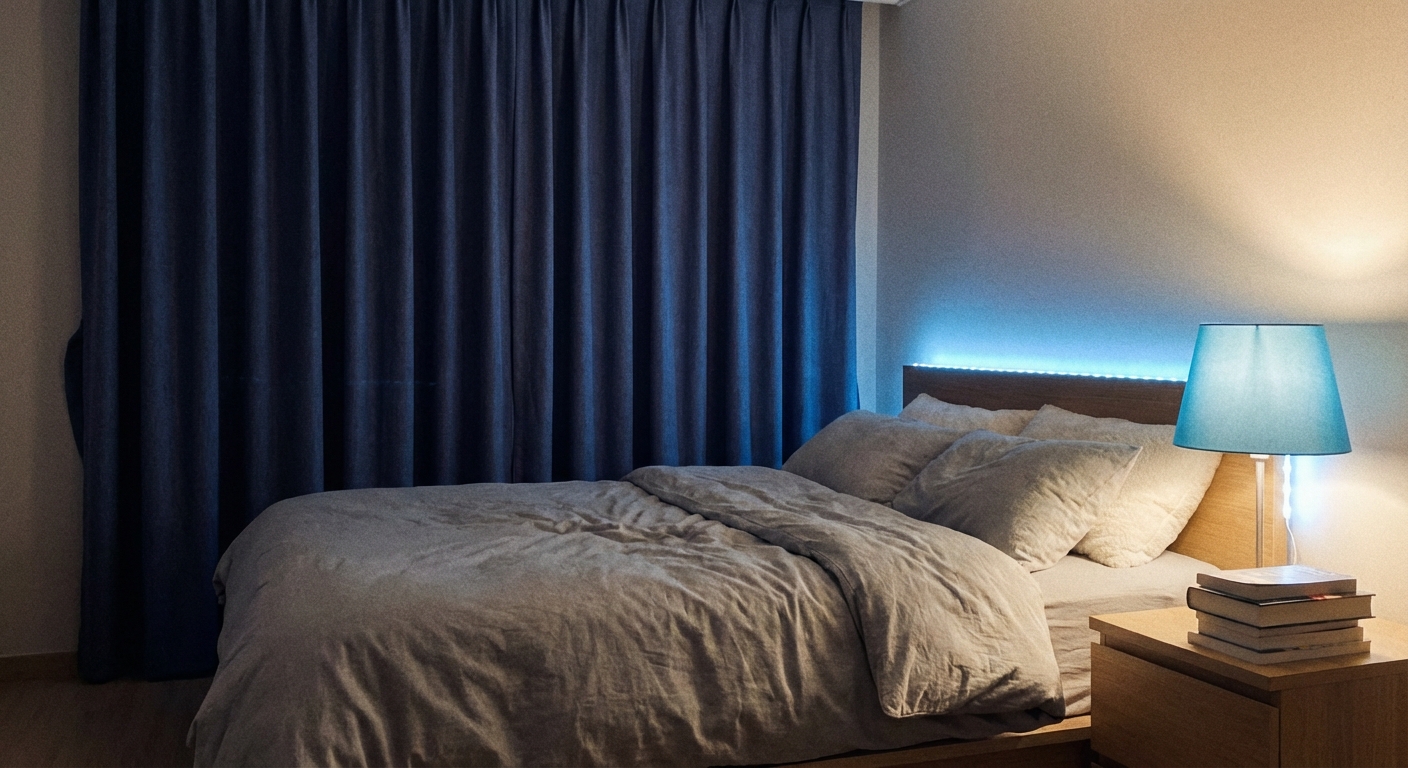
Sleep optimization remains the foundation. No recovery tool can compensate for poor sleep. The current emphasis is on sleep consistency — going to bed and waking at the same time — rather than simply chasing a magic number of hours. Sleep tracking technology has advanced to the point where it can provide actionable insights about sleep stages, breathing patterns, and environmental factors affecting rest quality.
Active recovery sessions are replacing complete rest days for many people. These are low-intensity movement days — walking, gentle yoga, swimming, or cycling at a conversational pace. The goal is to promote blood flow and reduce stiffness without adding training stress. Many gyms now offer dedicated active recovery classes that combine mobility work, foam rolling, and breathwork.
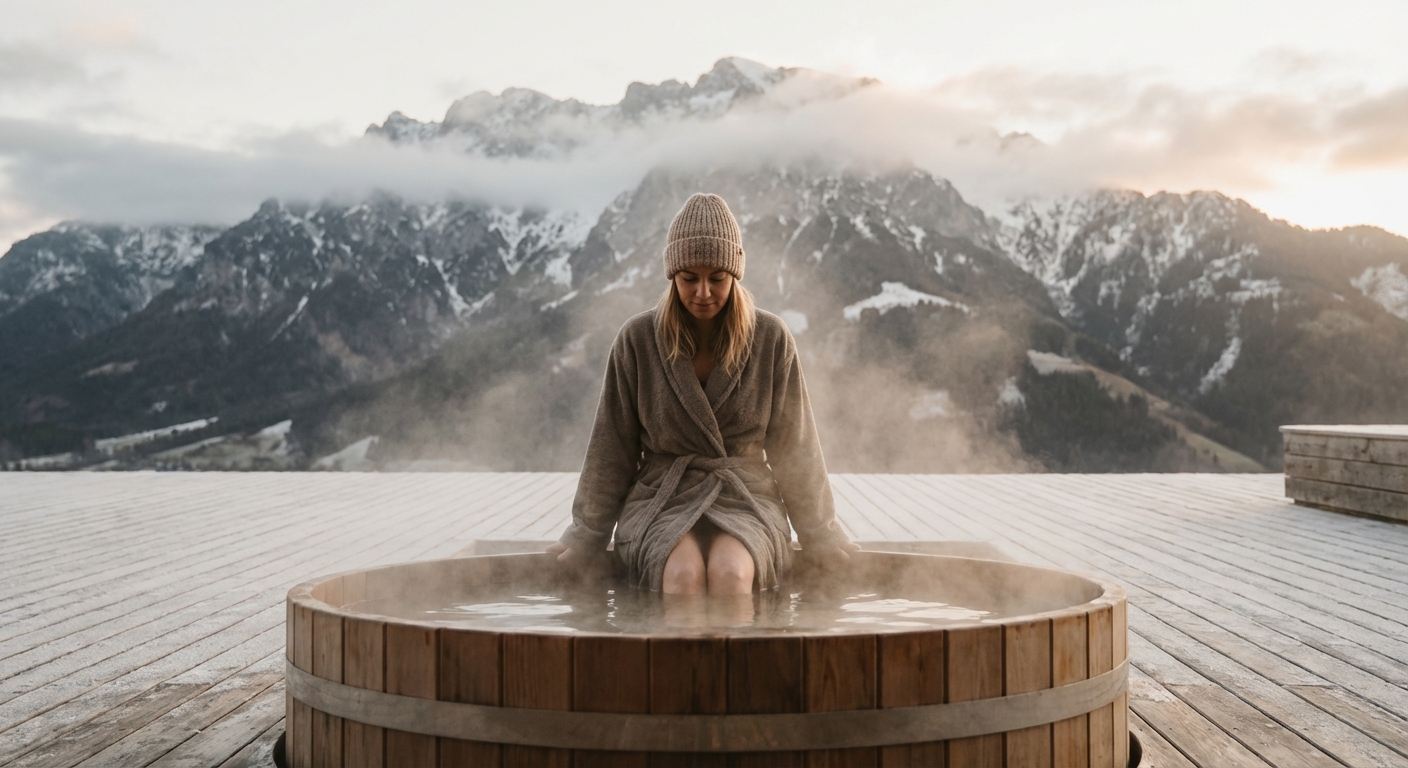
Cold and heat therapy have gone mainstream. Cold plunges, once reserved for elite athletes, are now common in commercial gyms and even home setups. The evidence for cold exposure centers on its anti-inflammatory effects and its impact on the nervous system — many practitioners report improved mood, alertness, and reduced muscle soreness. Saunas and heat therapy complement this by promoting vasodilation, relaxation, and improved cardiovascular function.
Breathwork and nervous system regulation represent the newest frontier. Techniques like box breathing, cyclic sighing, and guided parasympathetic activation are being integrated into post-workout routines. The idea is that recovery is not just muscular — your autonomic nervous system needs to shift from sympathetic (fight or flight) to parasympathetic (rest and digest) mode to facilitate repair.
The Slow Fitness Movement
Alongside recovery culture, a parallel trend called slow fitness is reshaping how people approach their actual training days. Instead of all-out intensity, slow fitness emphasizes:
- Controlled strength work with deliberate tempo and full range of motion
- Mindful mobility integrated throughout the workout, not just as a warmup
- Low-impact conditioning that builds cardiovascular fitness without pounding joints
- Longer rest periods between sets, prioritizing quality of movement over racing through a circuit
This approach is closely tied to the longevity fitness movement, which asks a simple question: will you be able to do this workout when you are 70? If not, maybe the approach needs adjusting now.
The shift is away from punishing workouts that leave you crawling to your car and toward sustainable training that you can maintain for decades.
Building Your Own Recovery Routine
If you are new to structured recovery, here is a practical framework:

Daily non-negotiables:
- Seven to nine hours of quality sleep in a cool, dark room
- Adequate hydration — dehydration impairs virtually every recovery process
- Sufficient protein intake spread throughout the day to support muscle repair
Two to three times per week:
- Active recovery sessions of 20 to 40 minutes — walking, easy cycling, yoga, or swimming
- Five to ten minutes of dedicated mobility work targeting areas that feel restricted
One to two times per week (optional but beneficial):
- Cold exposure — two to five minutes in cold water, working up gradually
- Heat therapy — 15 to 20 minutes in a sauna or hot bath
- Extended breathwork or meditation sessions
Weekly:
- At least one full rest day with no structured exercise at all
- A brief self-assessment — how is your energy, motivation, sleep quality, and any persistent soreness?
When Recovery Becomes a Red Flag
It is worth noting that recovery culture, like any trend, can go too far. If you find yourself spending more time on recovery tools than actual training, or using "recovery" as a reason to avoid challenging workouts, the balance has tipped.
Recovery supports training. It does not replace it. The goal is to recover well enough to train consistently, not to make recovery the main event at the expense of progressive challenge.
A good rule of thumb: if you are sleeping well, managing stress, eating adequately, and taking one to two rest days per week, you are probably recovering enough. The elaborate protocols are useful additions, not requirements.
Why This Matters Beyond Fitness
The broader cultural shift toward valuing rest is significant. In a world that glorifies busyness and productivity, the fitness community — historically one of the most "more is better" subcultures — embracing rest sends a powerful message.
You do not earn rest through exhaustion. Rest is a fundamental input, not a reward. And in 2026, more people than ever are putting that principle into practice, both in the gym and in life.