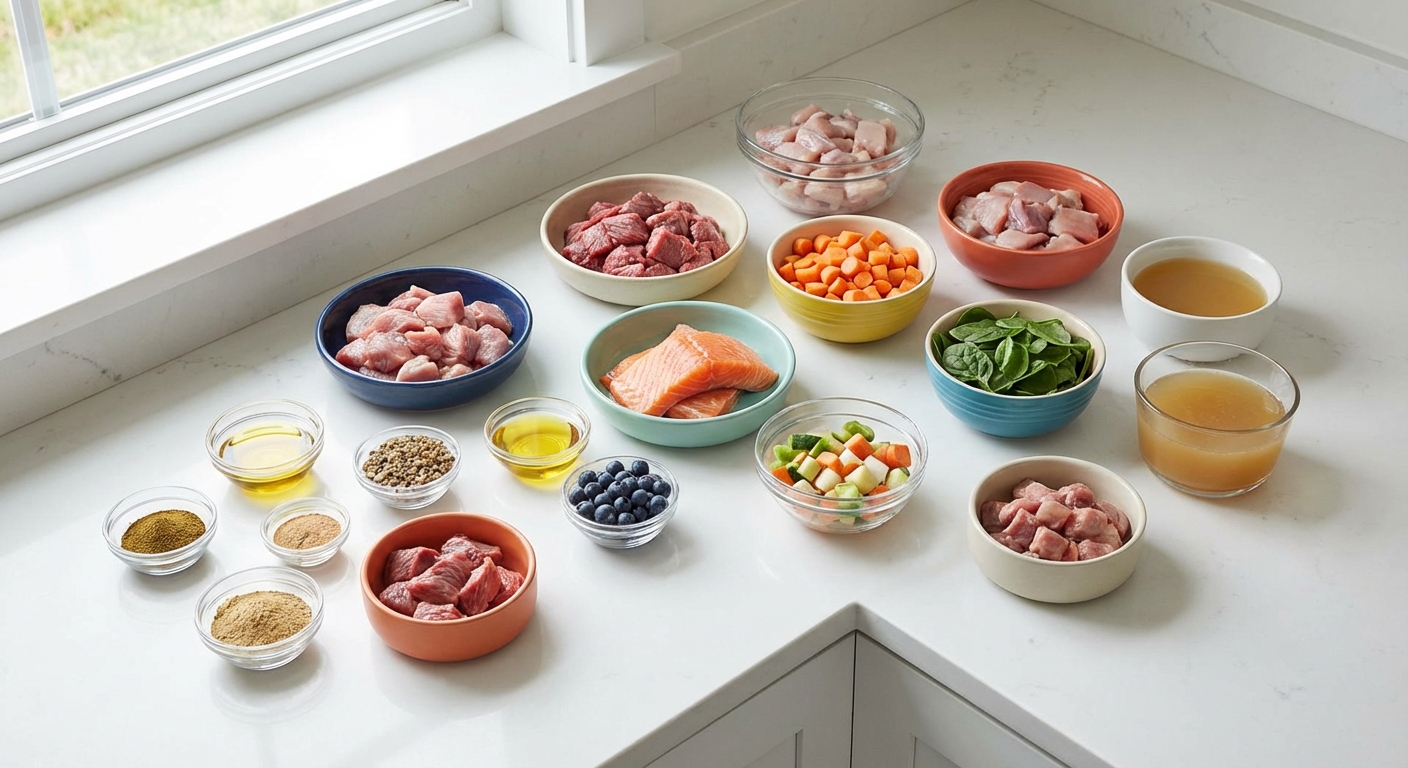
The End of One-Size-Fits-All Pet Food
For decades, feeding a pet meant walking down the kibble aisle, picking a bag based on age or breed size, and hoping for the best. That era is rapidly ending. In 2026, personalized pet nutrition has moved from a niche luxury into a genuine movement, driven by advances in veterinary science, sustainable ingredient sourcing, and technology that can tailor meals to an individual animal's needs.
Whether you have a senior dog with joint issues, a kitten with a sensitive stomach, or an active working breed that burns through calories, the idea is simple: your pet deserves food designed specifically for them.
Why Personalized Nutrition Matters
Just like humans, every pet has a unique metabolism, activity level, and set of health concerns. A young, active dog living in a cold climate has dramatically different caloric and nutritional needs than a senior indoor cat in a warm apartment.
Traditional pet food is formulated for broad categories — puppy, adult, senior — but these labels mask enormous variation. Two "adult" dogs of the same breed can have completely different nutritional requirements based on their weight, activity, digestive health, and even their microbiome composition.
Personalized nutrition addresses this gap by considering factors like:
- Body weight and composition — lean mass versus fat percentage
- Activity level — couch companion versus trail runner
- Age and life stage — growing, maintaining, or aging gracefully
- Health conditions — allergies, joint issues, digestive sensitivities
- Breed-specific tendencies — some breeds are prone to certain deficiencies
The Rise of Alternative Proteins
One of the most exciting developments in pet nutrition is the shift toward sustainable protein sources. Traditional pet food relies heavily on chicken, beef, and fish — industries with significant environmental footprints.
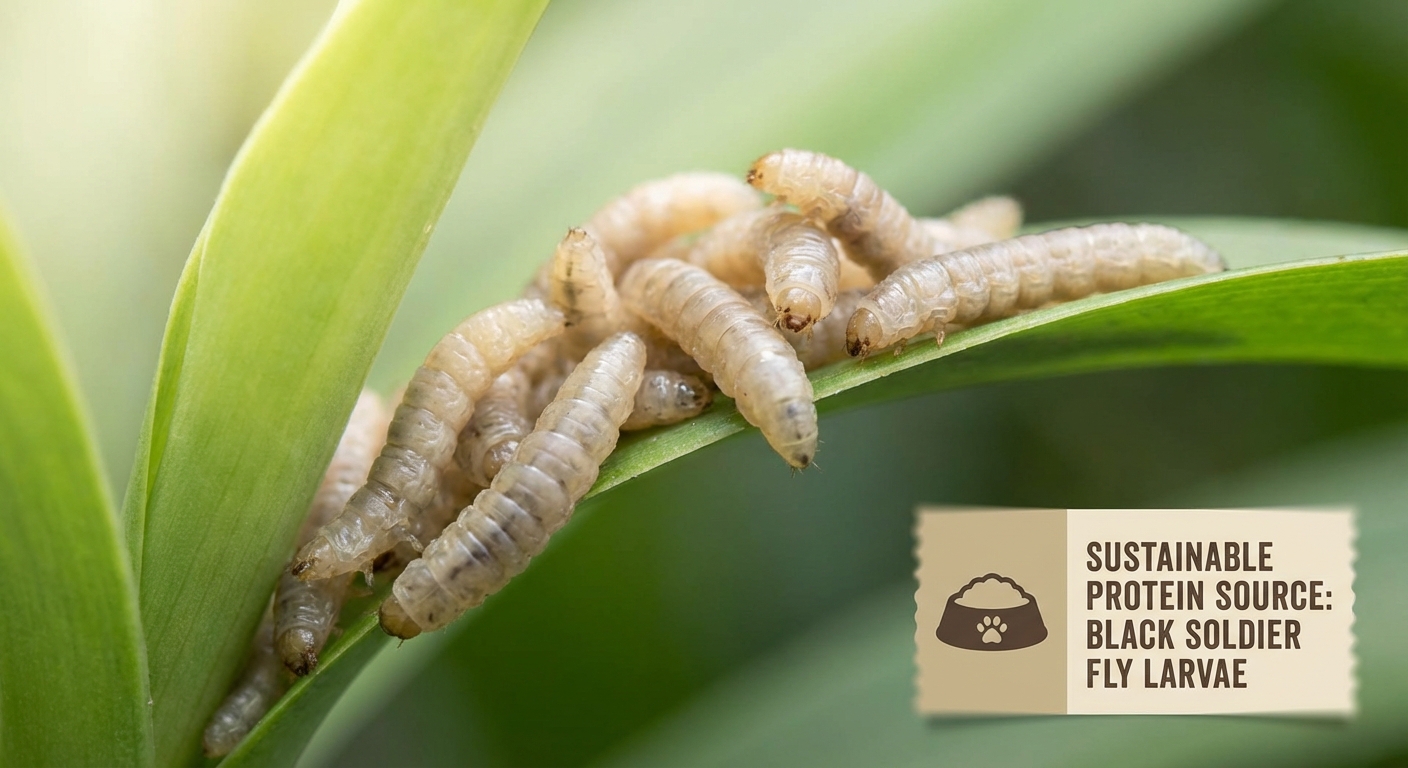
In 2026, alternative proteins are gaining serious traction:
Insect-based protein is leading the charge. Black soldier fly larvae, in particular, are remarkably efficient to farm. They require a fraction of the land, water, and feed that traditional livestock needs, and they produce a complete amino acid profile that rivals conventional meat. For pets with common protein allergies (chicken and beef are frequent culprits), insect protein offers a novel alternative that their immune systems have never encountered.
Fermented proteins are another frontier. Using precision fermentation, companies can produce animal-identical proteins without raising a single animal. These bioidentical proteins deliver the taste and nutrition pets need while dramatically reducing the environmental cost.
Plant-forward blends are also evolving. While dogs are omnivores and can thrive on well-formulated plant-inclusive diets, the key is ensuring complete nutrition. Modern formulations combine legumes, seeds, and vegetables with careful supplementation to meet every essential nutrient requirement.
Smart Feeding Technology
Personalized nutrition is not just about what goes into the bowl — it is also about how and when it gets there.
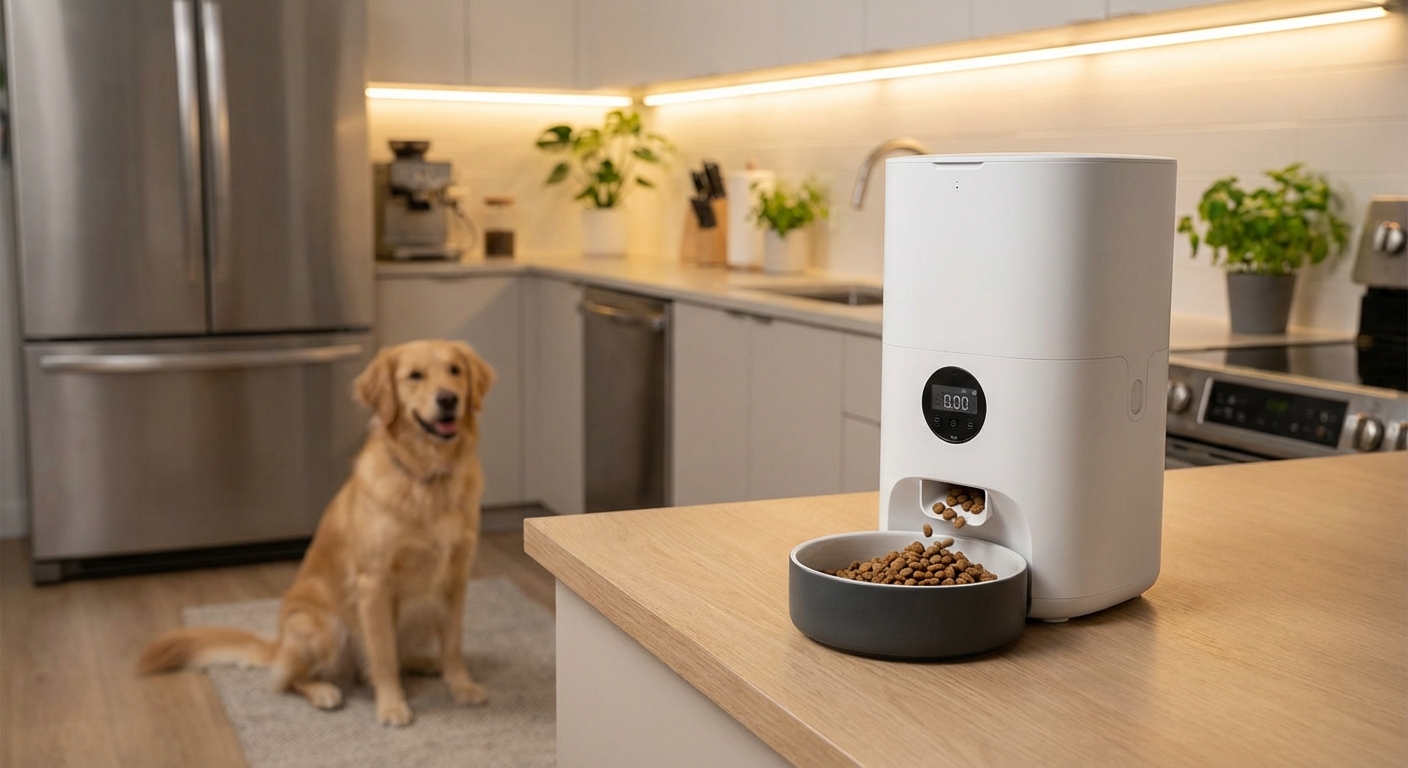
The latest generation of automated feeders has moved well beyond simple timers dispensing kibble. Modern smart feeders can handle fresh, raw, and wet food diets with insulated compartments and cooling zones that keep food safe for hours. Some use replaceable ice packs and airtight seals to maintain freshness, which is critical for the growing number of pet owners choosing raw or fresh-cooked diets.
These feeders often connect to health monitoring platforms. When paired with a smart collar that tracks your pet's activity, sleep, and weight trends, the feeding system can automatically adjust portion sizes. A dog that had an extra-long hike gets a slightly larger dinner. A cat that has been less active due to rainy weather gets a modest reduction.
Supplements and Targeted Nutrition
Beyond base meals, the pet supplement market is booming with science-backed formulations:
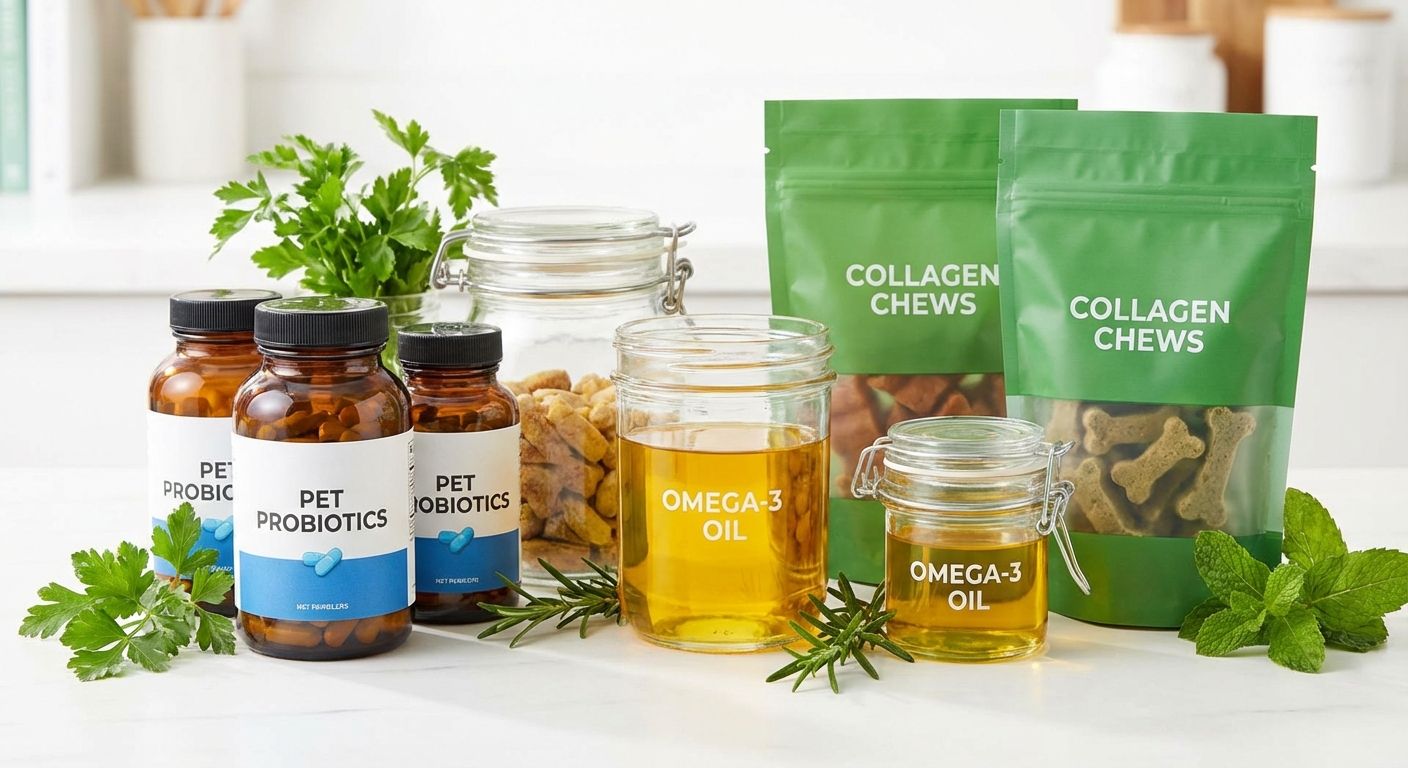
- Collagen blends for joint health and mobility, especially popular for aging large breeds
- Probiotic and prebiotic combinations to support digestive health and immune function
- Omega fatty acid supplements sourced from algae rather than fish, offering the same benefits with a smaller ecological footprint
- Calming supplements using ingredients like L-theanine and chamomile for pets dealing with anxiety
The shift is toward targeted, condition-specific support rather than generic multivitamins. Pet owners increasingly want to address specific concerns — a dull coat, stiff joints, frequent digestive upset — with precision rather than guesswork.
How to Get Started With Personalized Feeding
Transitioning to a more personalized approach does not require a complete overhaul overnight. Here is a practical starting point:
Step one: Assess your pet's current health. Schedule a veterinary checkup that includes bloodwork and a body condition score. This gives you a baseline to work from.
Step two: Identify specific needs. Does your pet have allergies? Joint stiffness? Low energy? Digestive issues? Each of these points toward nutritional adjustments.
Step three: Research feeding options. Look for foods that disclose their ingredient sourcing, provide transparent nutritional analysis, and ideally offer customization based on your pet's profile. Many services now let you input your pet's details and receive a tailored meal plan.
Step four: Transition gradually. Any diet change should happen over seven to ten days, mixing increasing proportions of the new food with the old to avoid digestive upset.
Step five: Monitor and adjust. Track your pet's weight, energy, coat quality, and stool consistency. Good nutrition shows results within weeks — a shinier coat, more energy, and better digestion are all positive signs.
The Bigger Picture
Personalized pet nutrition sits at the intersection of several powerful trends: the humanization of pet care, growing environmental consciousness, and the increasing availability of data-driven health tools. Pet owners in 2026 are not just buying food — they are making informed decisions about their companion's long-term health and the planet's future.
The shift will not happen overnight, and traditional pet food is not disappearing. But the direction is clear: feeding our pets is becoming as thoughtful and individualized as feeding ourselves. And for the animals who depend on us to make those choices, that is very good news.