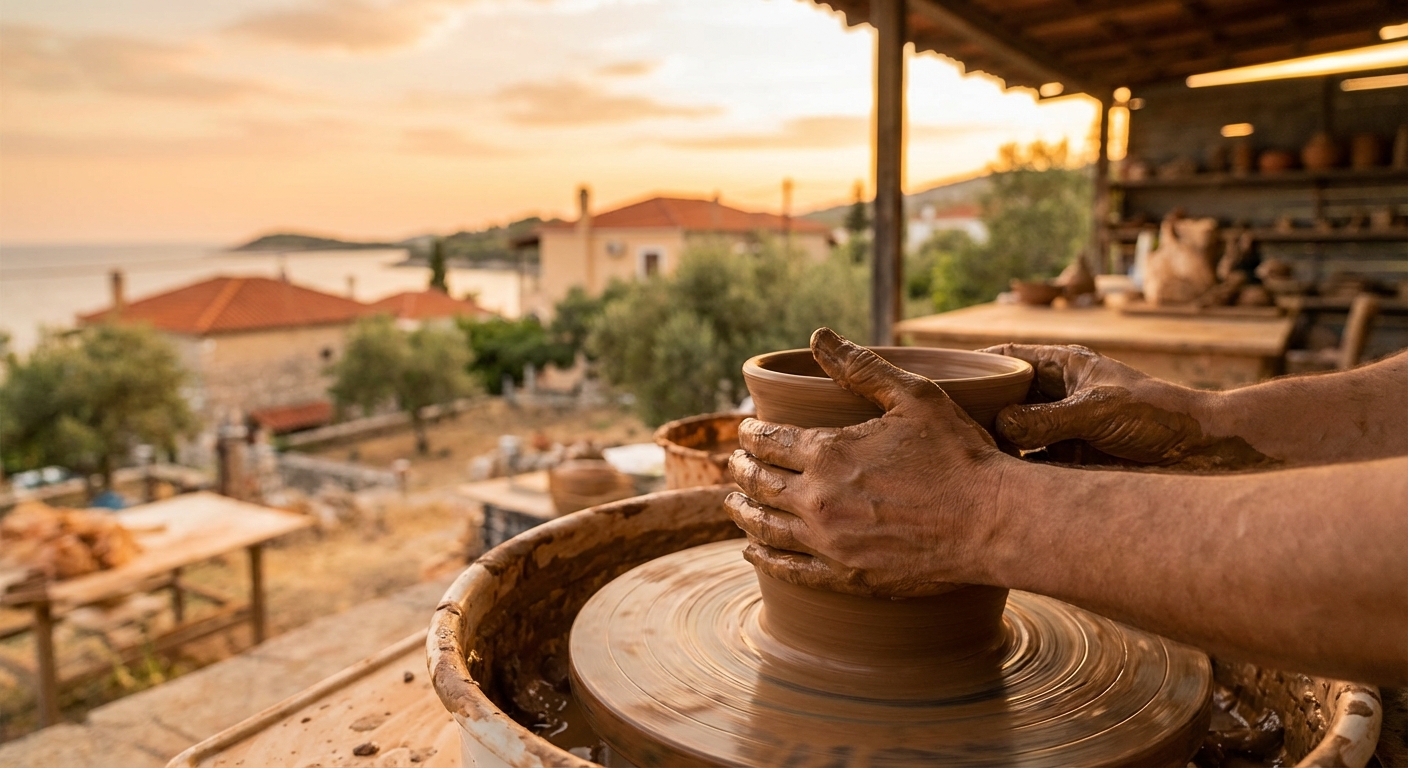
Forget lounging by the pool for a week. In 2026, the fastest-growing segment of travel is the skillcation — a trip built around learning something new. Whether it's a pottery workshop in a rural village, a multi-day cooking immersion, or a wilderness survival course in the mountains, travelers are increasingly choosing experiences that leave them with a new skill, not just a sunburn.
Here's everything you need to know about the skillcation trend and how to plan one that actually delivers.
Why Skillcations Are Exploding in Popularity
The shift toward learning-focused travel has been building for years, but 2026 is the year it hit critical mass. Several forces are driving the trend.
First, travelers are tired of passive vacations. After years of over-tourism and cookie-cutter resort stays, people want trips that feel meaningful and personal. A week spent learning to cook regional cuisine or mastering basic woodworking creates memories — and capabilities — that last far longer than a beach tan.
Second, remote work has blurred the line between work and life in ways that make pure relaxation feel incomplete. Many people now want vacations that are restorative but also productive in a fulfilling way. Learning a skill scratches that itch without feeling like work.
Third, social media has shifted from showing off destinations to showing off experiences. Posting about a ceramics class you took or a trail you learned to navigate resonates more than another sunset photo.
Popular Skillcation Categories
Skillcations span an enormous range. The common thread is hands-on learning from local experts in an immersive setting. Here are the most popular categories right now.
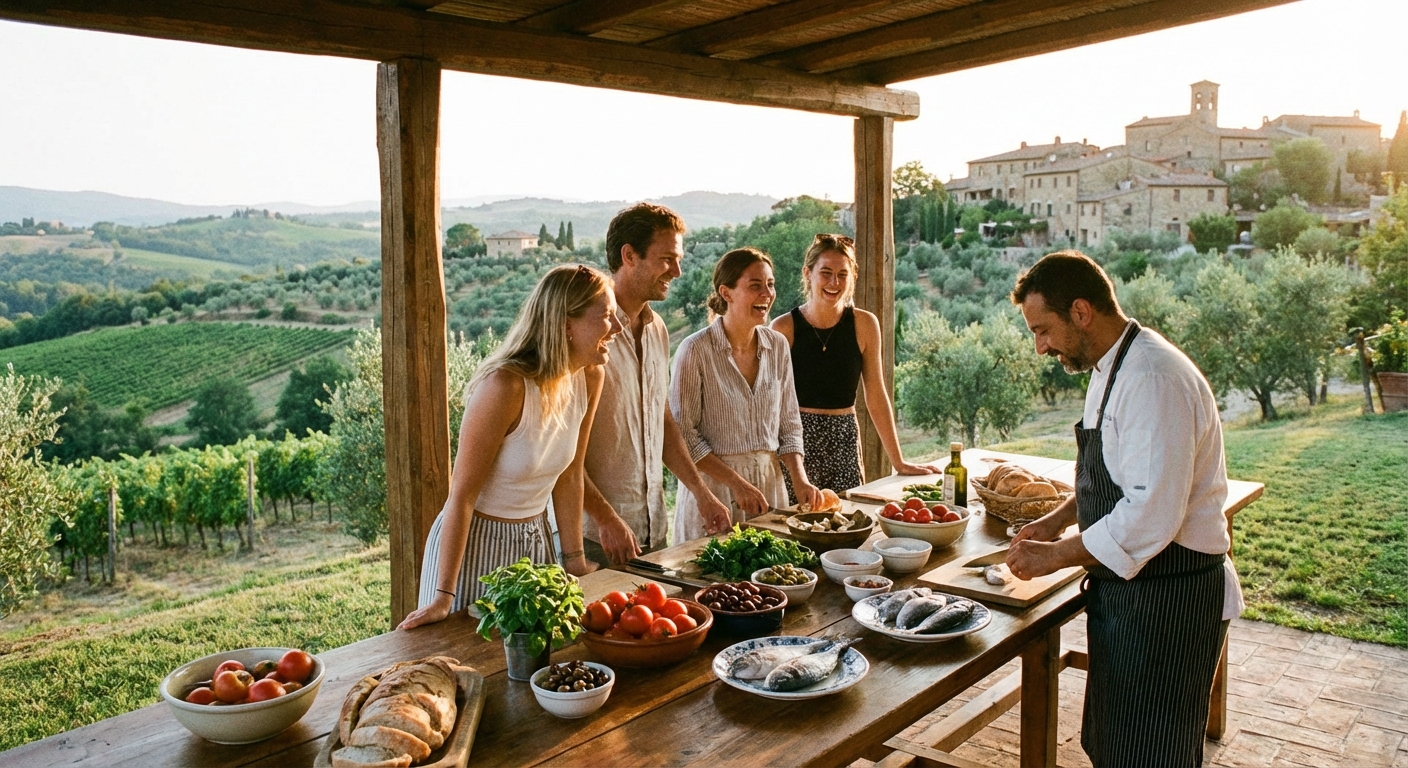
Culinary immersions top the list. Multi-day cooking courses that include market visits, foraging, and farm tours are available worldwide. The appeal goes beyond food — you're learning about culture, agriculture, and tradition through the lens of a kitchen.
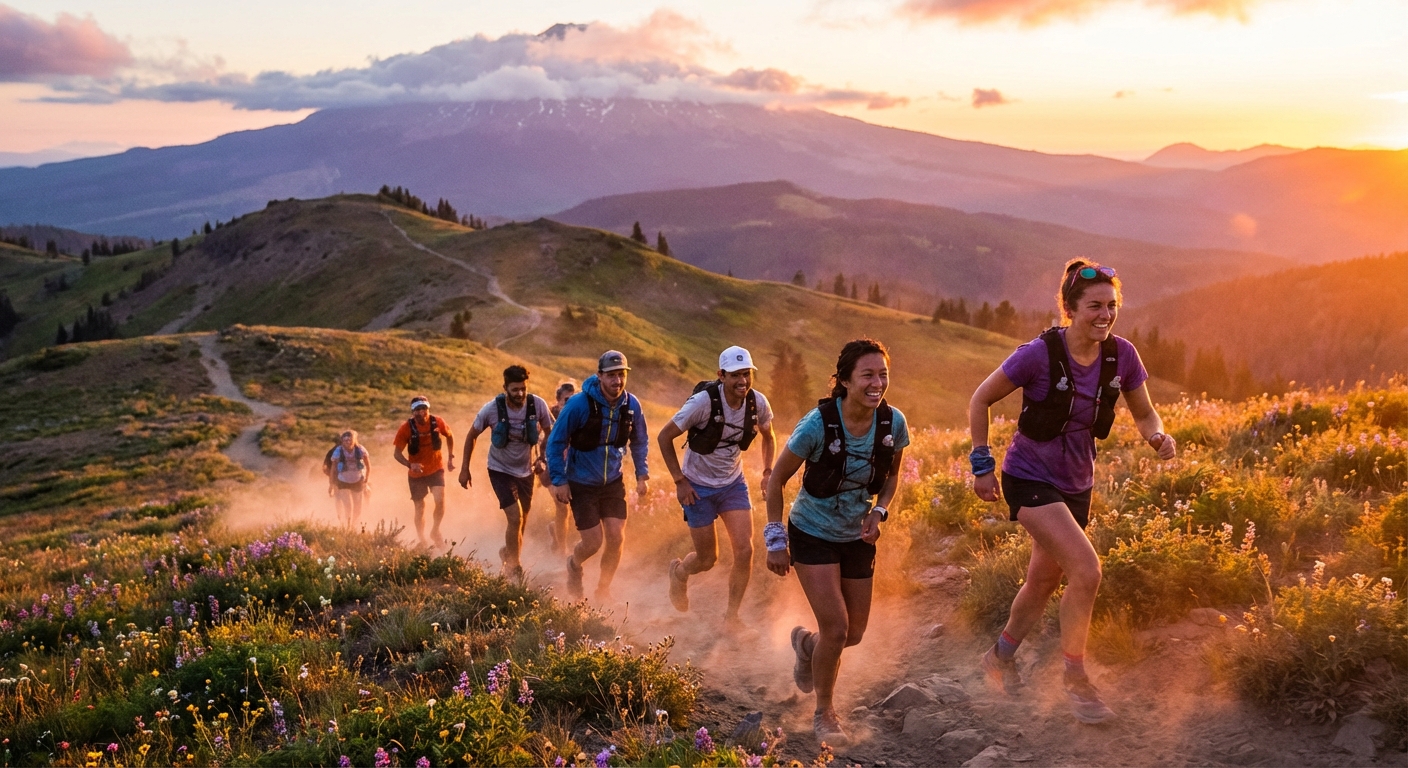
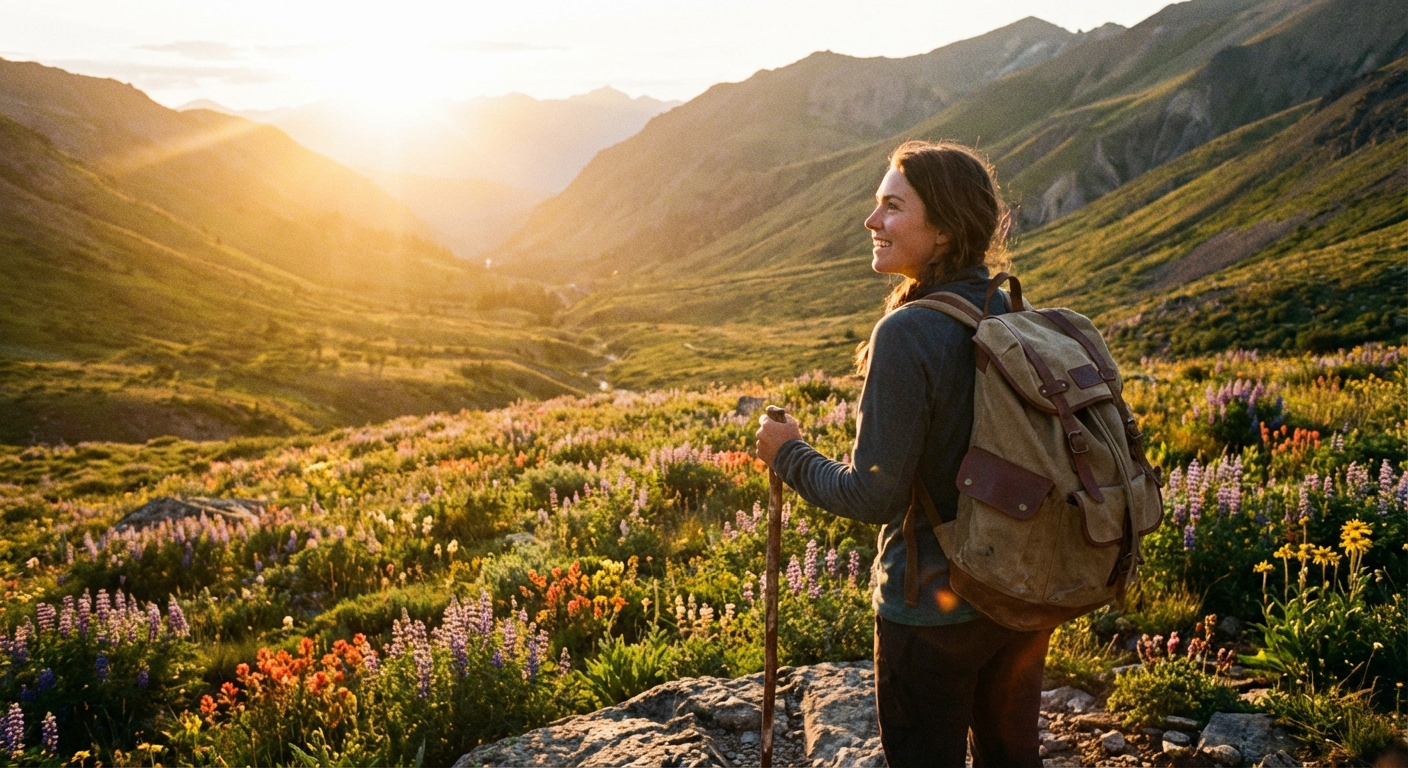
Outdoor and wilderness skills are surging. Think navigation, fire-building, plant identification, rock climbing, and kayaking instruction. These trips combine adventure travel with practical knowledge that makes you a more capable and confident outdoors person.
Creative arts — pottery, painting, photography, textile dyeing, leather crafting — offer a meditative counterpoint to the frenetic pace of daily life. Studio-based workshops in scenic locations are particularly popular.
Cultural workshops include language immersions, traditional dance, music lessons, and historical preservation projects. These skillcations go deepest into local culture and often create the strongest connections with a place.
Wellness and movement skillcations focus on learning a practice you'll continue at home — yoga teacher training, breathwork certification, martial arts fundamentals, or freediving courses.
How to Plan a Skillcation That Actually Works
Not every learning vacation lives up to the hype. Here's how to plan one that delivers real value.
Define your goal clearly. Do you want an introduction to something new, or do you want to reach a specific competency level? A weekend ceramics taster is very different from a two-week intensive. Be honest about your commitment level and choose accordingly.
Research the instructors, not just the location. The quality of a skillcation hinges almost entirely on who's teaching. Look for instructors with both deep expertise and teaching experience. Read reviews that specifically mention the quality of instruction, not just the scenery.
Check the student-to-instructor ratio. Small groups mean more hands-on time and personalized feedback. Anything above eight students per instructor starts to feel more like a lecture than a workshop.
Balance learning with downtime. The best skillcations build in free time for exploration, rest, and processing what you've learned. A schedule packed from dawn to dark leads to burnout, not mastery.
Consider the take-home factor. Will you be able to practice this skill at home? Cooking techniques transfer easily. Glassblowing requires a studio you probably don't have. Think about whether the skill fits into your life after the trip ends.
Budgeting for a Skillcation
Skillcations can range from budget-friendly to premium, depending on the skill and destination. Here's what to expect.
A weekend workshop at a local studio or farm might cost two hundred to five hundred dollars for instruction alone, plus your own accommodation and travel. A week-long immersive program — cooking school, surf camp, photography retreat — typically runs one thousand to three thousand dollars all-inclusive.
Premium experiences like multi-week wilderness certifications, sailing courses, or artisan apprenticeships can reach five thousand dollars or more, but they often include housing, meals, equipment, and certification.
Compared to a conventional resort vacation, skillcations often cost about the same but deliver significantly more lasting value.
Making the Most of Your Experience
A few habits separate travelers who get the most from skillcations from those who forget everything within a month.
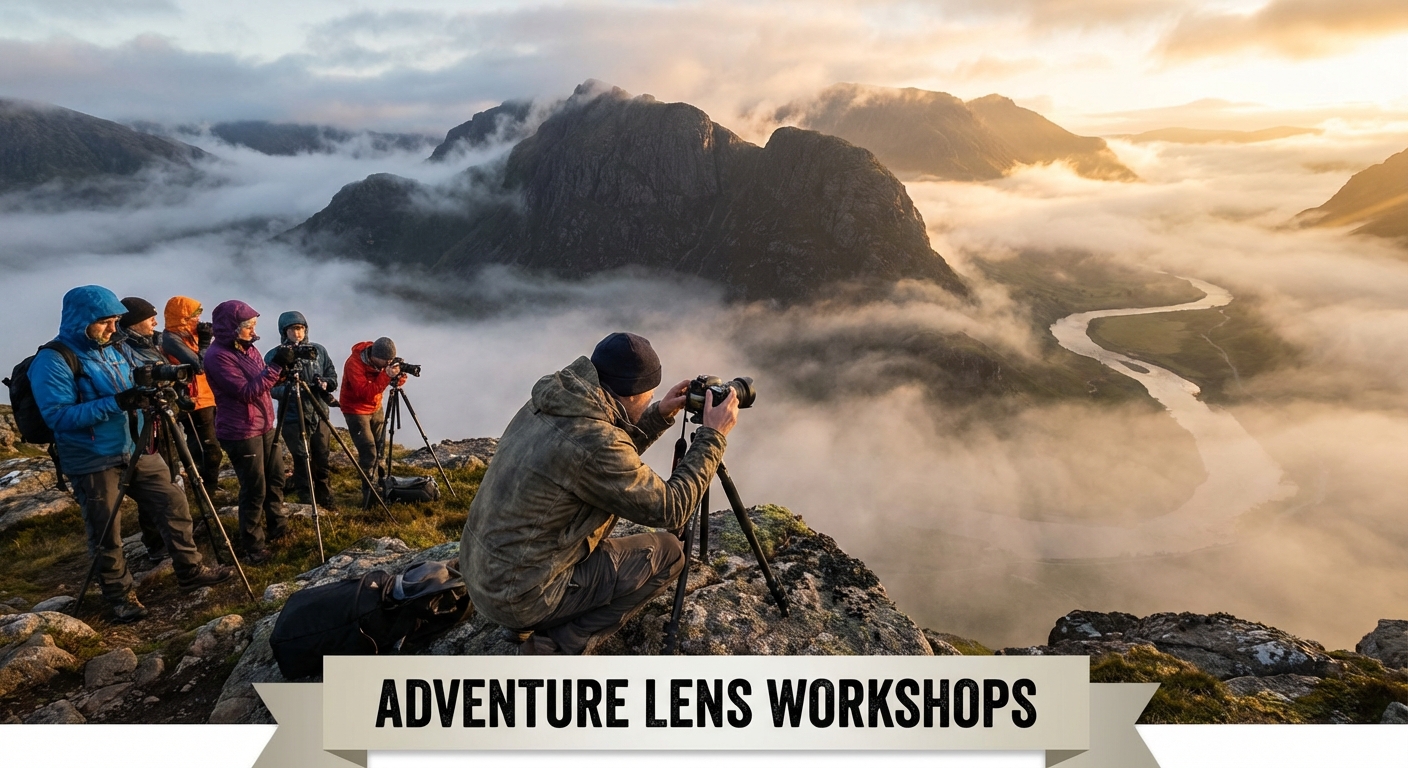
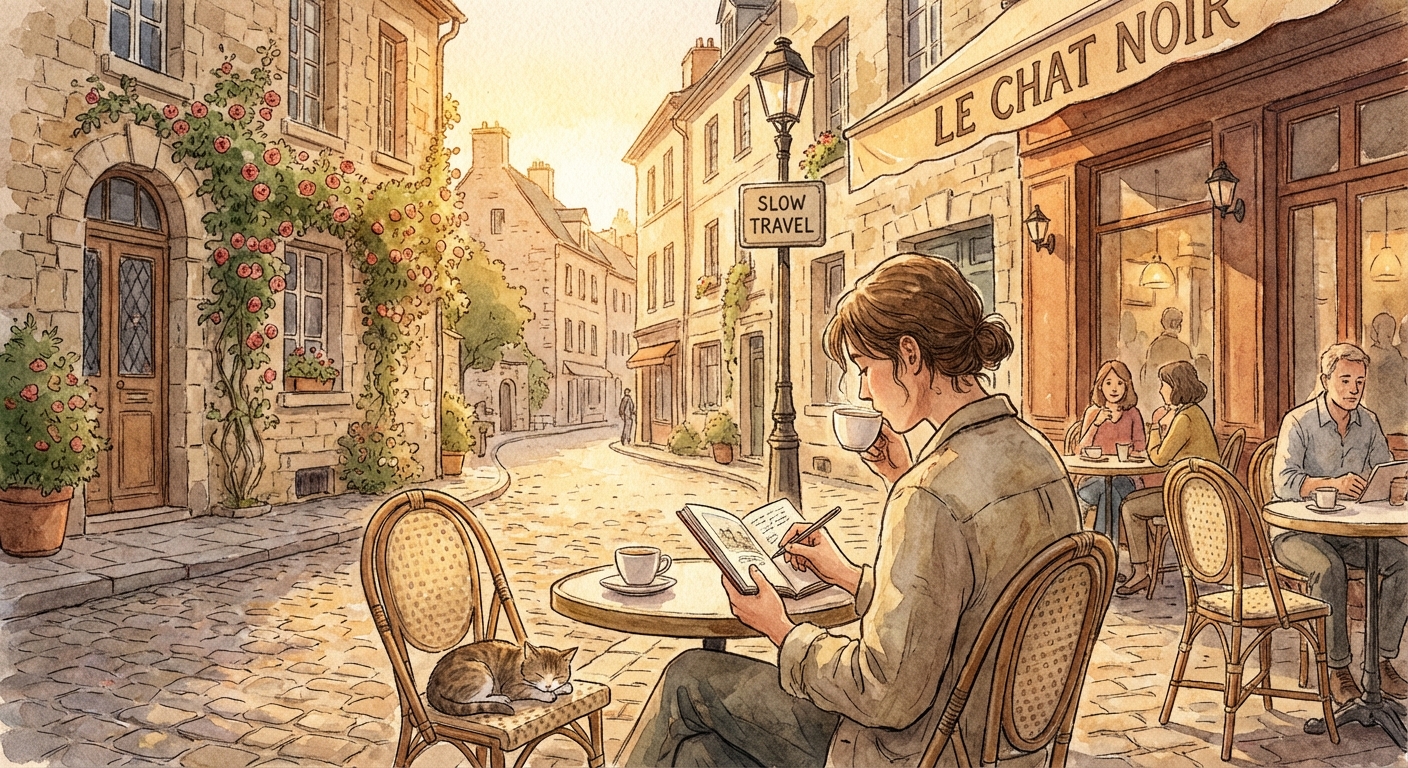
Take notes daily. Even brief journal entries about what you learned, what confused you, and what clicked help cement the experience. Photos of techniques and processes are more useful than photos of finished products.
Practice during the trip, not just in class. If you're learning to cook, cook dinner on your own one night. If you're learning photography, shoot during free time, not just during guided sessions.
Connect with fellow learners. Some of the best skillcation memories come from the community you build with other students. These connections can turn into practice partners, travel companions, or lifelong friends.
Plan your first at-home practice before you leave. Schedule a cooking night, buy basic supplies for your new craft, or book a follow-up lesson locally. The transition from vacation skill to life skill happens in the first two weeks after you return.
The Future of Travel Is Participatory
The skillcation trend reflects a deeper change in what people want from travel. Watching and consuming isn't enough anymore. Travelers want to participate, create, and come home changed in some tangible way.
Whether you dedicate an entire trip to learning or simply weave a half-day workshop into a longer itinerary, adding a skill-building component transforms the way you experience a destination. You stop being a tourist and start being a student — and that shift changes everything.