When the Workout Becomes the Vacation
There was a time when vacation meant switching off. Beaches, poolside drinks, and as little physical effort as possible. That version of travel is not going away, but it is no longer the default for a growing number of travelers.
In 2026, one of the biggest shifts in how people plan trips has a name: sweat jetting. The concept is straightforward — instead of fitting a workout around your vacation, you plan your vacation around the workout. The physical challenge is the destination.
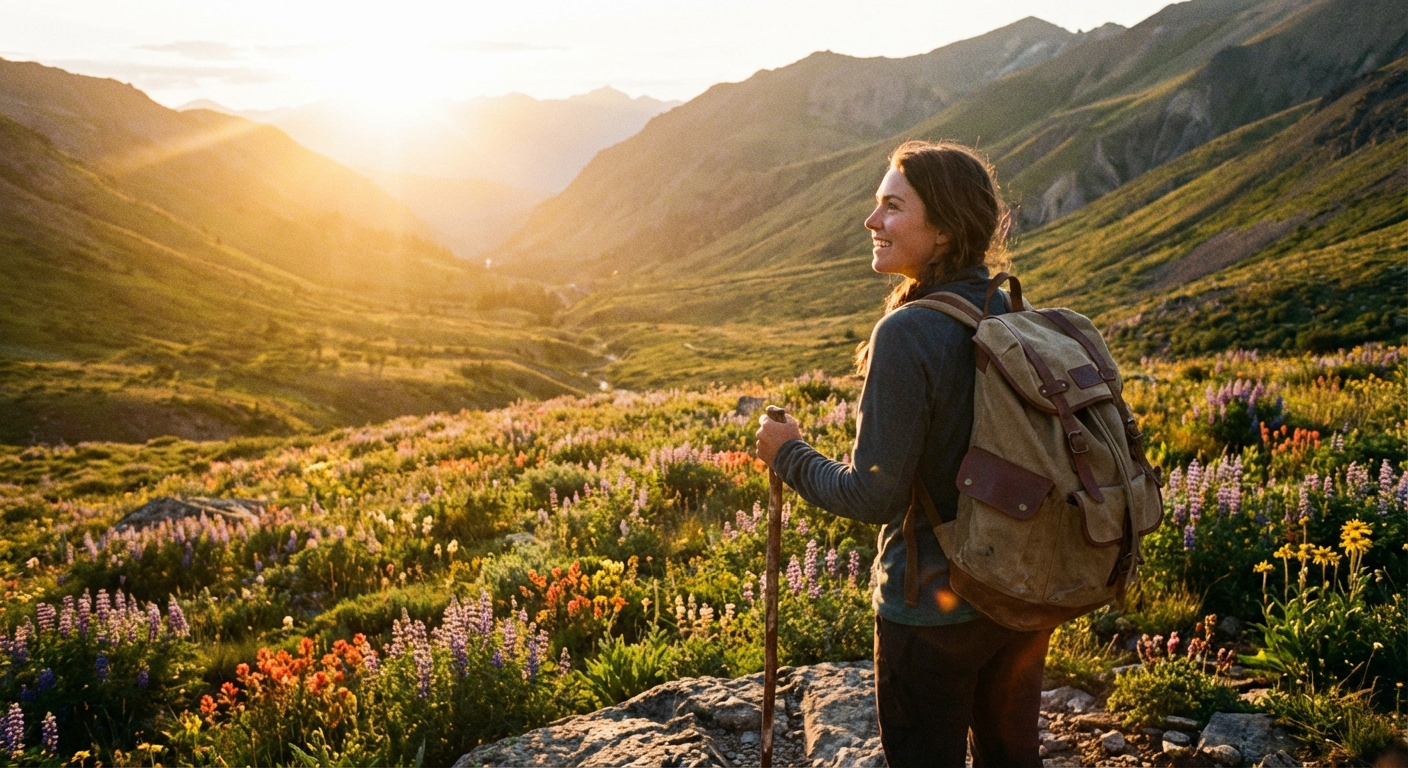
Whether it is signing up for a mountain trail race in a country you have never visited, booking a multi-day cycling tour through unfamiliar terrain, or traveling specifically to summit a peak, sweat jetting puts physical activity at the center of the travel experience rather than treating it as an optional add-on.
Why Sweat Jetting Is Exploding
Several forces are converging to make this trend impossible to ignore:
The longevity movement has people thinking differently about fitness. When your training is oriented around being capable and active for decades, experiences that test and expand your physical abilities become more appealing than passive relaxation.
Social media has shifted what people want to share. Finishing a marathon in a new city, reaching a summit at dawn, or completing a multi-day trek generates the kind of content that resonates. It is not about showing off — it is about sharing experiences that feel meaningful.
Remote work flexibility means more people can extend trips. A weekend race becomes a weeklong adventure when you can work from a laptop for a few extra days before or after the event.
Women's adventure travel is surging. Industry data shows women's adventure bookings are projected to grow dramatically in 2026. Group hiking trips, cycling tours, and destination fitness retreats are seeing particular growth among women traveling solo or in small groups.
Types of Sweat Jetting Trips
The beauty of this trend is its flexibility. Sweat jetting scales from a casual weekend to an expedition-level commitment:
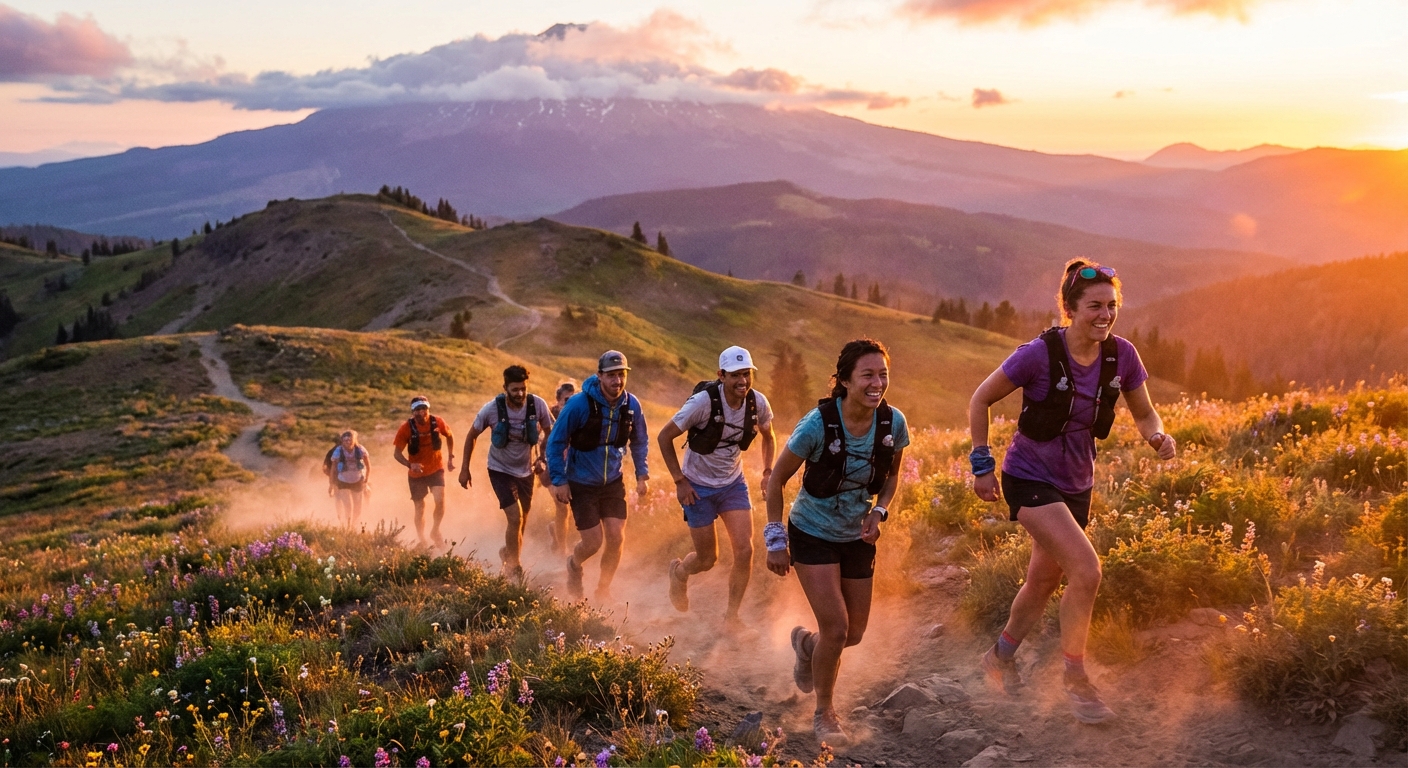
Destination races are the most accessible entry point. Marathon, half-marathon, trail running, and obstacle course events take place in stunning locations worldwide. Running through a vineyard region, along a coastal cliff path, or through a historic city center adds layers of experience that a local gym race cannot match.
Multi-day treks and thru-hikes appeal to those who want sustained challenge. Whether it is a classic long-distance route or a lesser-known regional trail, multi-day hiking combines fitness with immersion in landscape and culture.
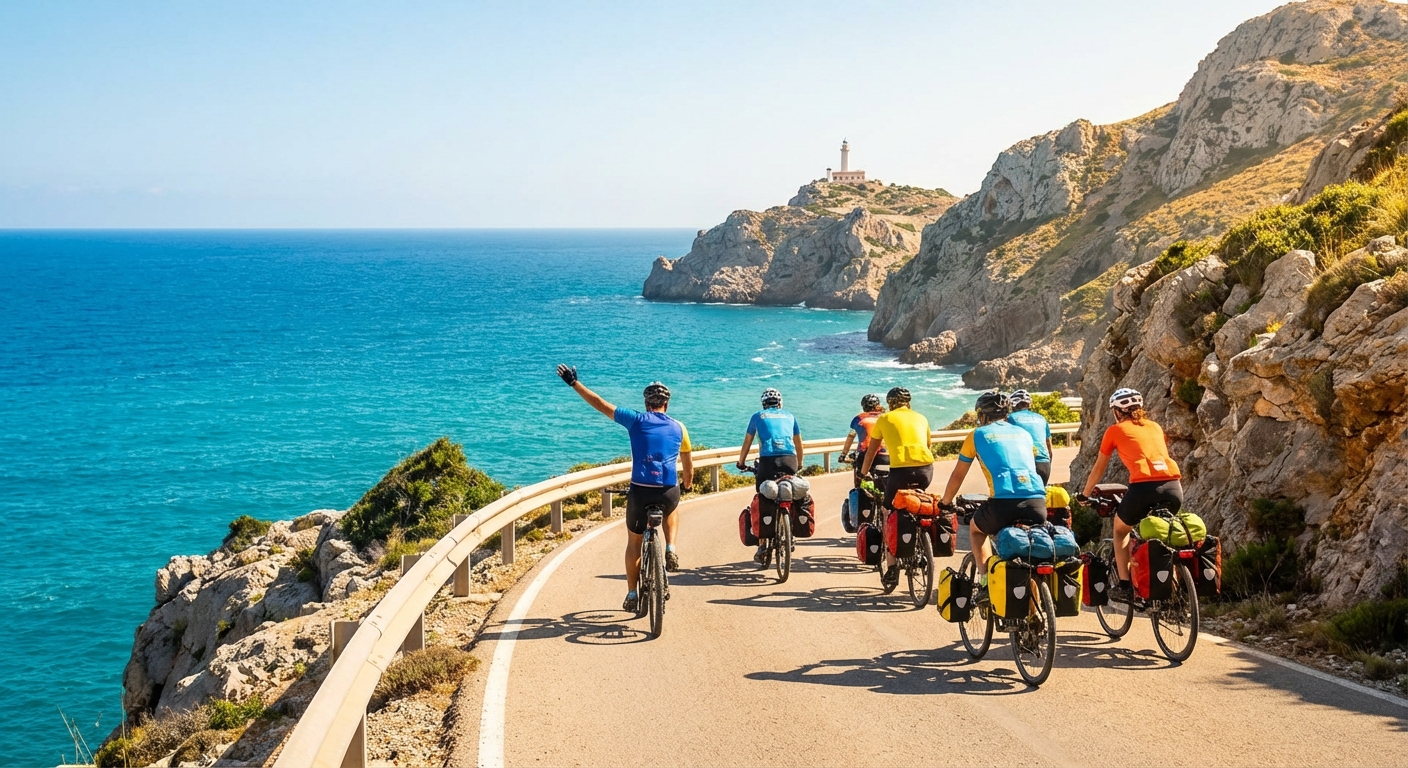
Cycling tours are booming, from guided road cycling trips through rolling countryside to mountain biking adventures on remote single track. Many tours now offer electric bike options, making the experience accessible to a wider range of fitness levels without diminishing the adventure.
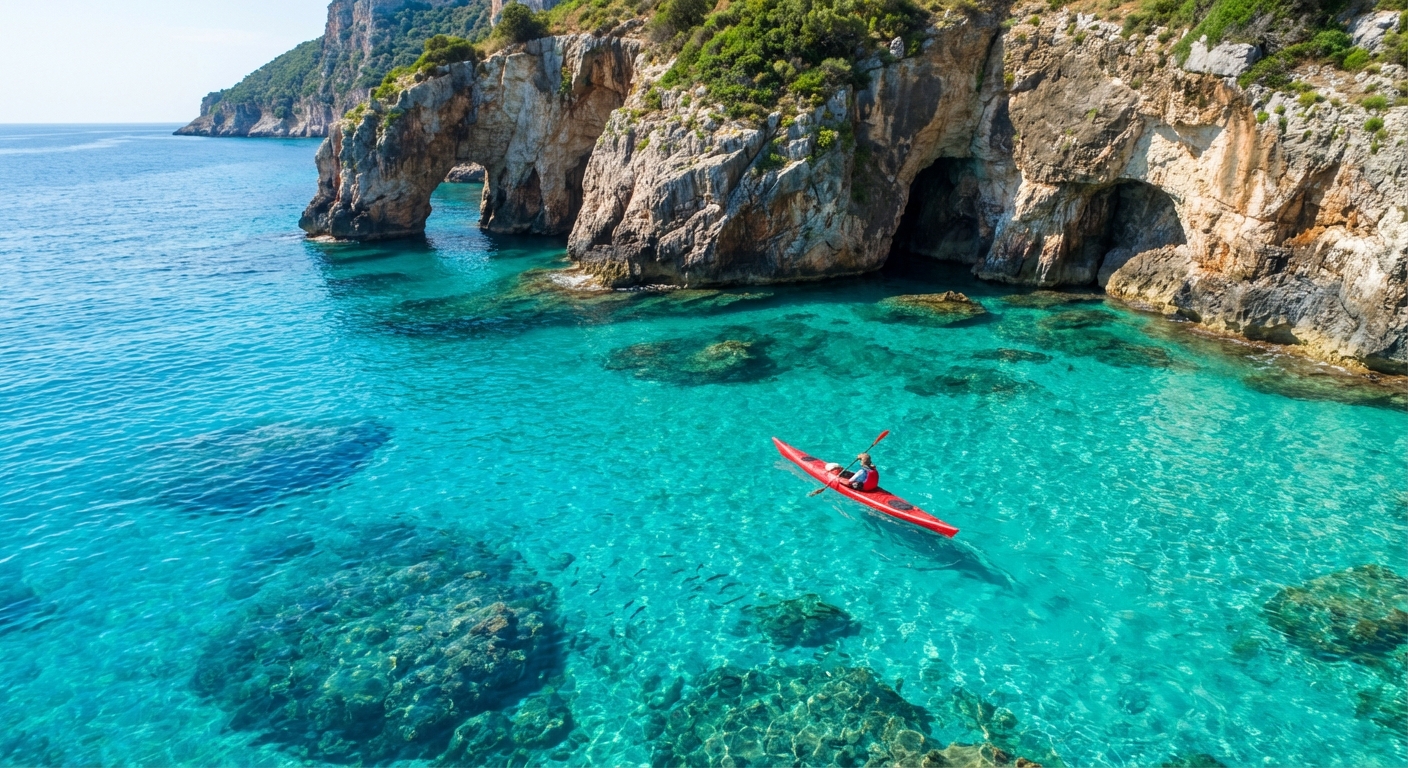
Water-based adventures include sea kayaking expeditions, multi-day paddleboard trips, and surf camps. These combine upper-body conditioning with the unique mental reset that comes from being on the water.
Climbing and mountaineering trips sit at the more committed end of the spectrum. Guided ascents of significant peaks attract experienced hikers looking for the next level of challenge, with professional guides making routes accessible that would be impractical to attempt solo.
How to Plan Your First Sweat Jetting Trip
If this sounds appealing but you have never planned a fitness-focused trip, here is a practical roadmap:
Choose your activity first, then the destination. This is the key mindset shift. Instead of picking a place and figuring out what to do there, decide what physical challenge excites you and then find the best place to do it.
Be honest about your fitness level. Sweat jetting is not about being an elite athlete — it is about choosing challenges that match where you are. A beginner trail runner can have an incredible experience at a well-organized destination five-kilometer trail race. You do not need to start with an ultramarathon.
Build in acclimatization time. If your trip involves altitude, heat, or humidity that differs from your home environment, arrive early. Rushing into a physical challenge in unfamiliar conditions is the fastest route to a miserable experience or injury.
Train specifically for the trip. If you are running a hilly race, train on hills. If you are doing a multi-day trek with a pack, train with a loaded pack. Specificity in preparation makes the difference between suffering through the experience and actually enjoying it.
Plan for recovery around the event. Build rest days into your itinerary after the main challenge. This is when you explore the local food scene, visit cultural sites, or simply enjoy the satisfaction of what you accomplished. The contrast between effort and rest is part of what makes sweat jetting so rewarding.
Gear Considerations for Active Travel
Packing for a sweat jetting trip requires balancing performance gear with travel practicality:
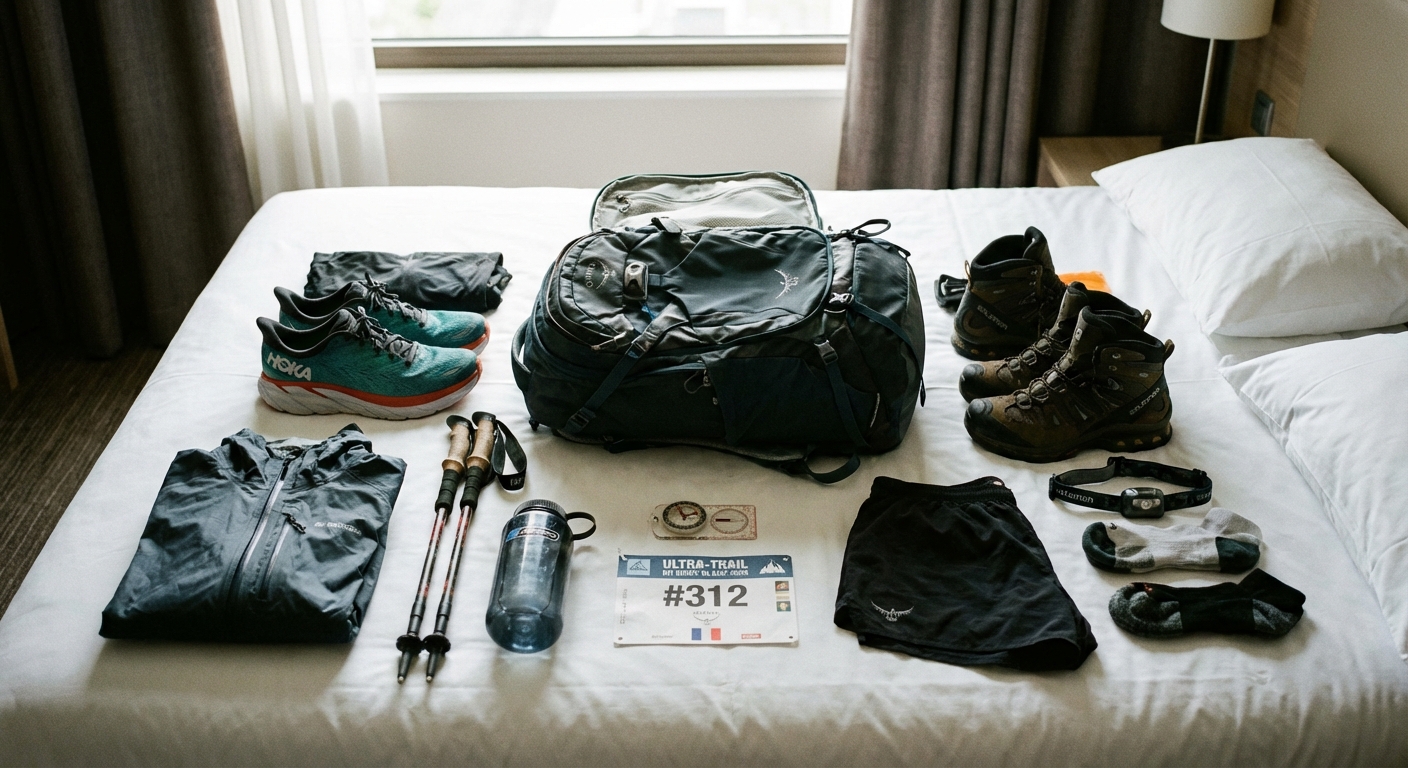
- Prioritize versatile layers that work for both the activity and casual sightseeing afterward. Climate-responsive fabrics with temperature-regulating properties are increasingly available and worth the investment.
- Invest in your footwear. Your shoes are the single most important gear decision. Break them in well before the trip — never debut new shoes on race day or the first day of a trek.
- Pack a compact recovery kit. A foam roller ball, compression socks, and a quality electrolyte mix take up minimal space but make a significant difference in how you feel during multi-day efforts.
- Consider gear rental at the destination. For activities like cycling, kayaking, or climbing, renting specialized equipment locally is often more practical than hauling it through airports.
The Quietcation Counterbalance
Interestingly, sweat jetting is rising alongside its opposite: the quietcation trend, where travelers deliberately seek rest, silence, and digital disconnection. These are not competing trends — they are two sides of the same coin.
Many sweat jetters build quietcation elements into their trips. The intense physical effort during the event creates a natural transition into deep rest afterward. There is something uniquely satisfying about collapsing into a comfortable bed in a beautiful place after pushing your body through a challenge you trained months for.
The best sweat jetting trips balance effort and recovery, adventure and reflection. They are not about punishing your body on vacation — they are about using physical challenge as a way to experience a place, test yourself, and return home feeling genuinely transformed rather than just rested.
Getting Started
You do not need to be a competitive athlete to try sweat jetting. You need a physical goal that excites you, a destination that inspires you, and enough preparation to enjoy the experience rather than just survive it.
Start with something achievable. A destination five-kilometer race. A weekend hiking trip in a national park you have never visited. A beginner surf camp. The bar is wherever you set it.
The point is not the difficulty. The point is that the trip exists because of the physical experience — and everything else, the food, the culture, the scenery, the memories — enriches it.