The Problem Every Smart Home Owner Knows
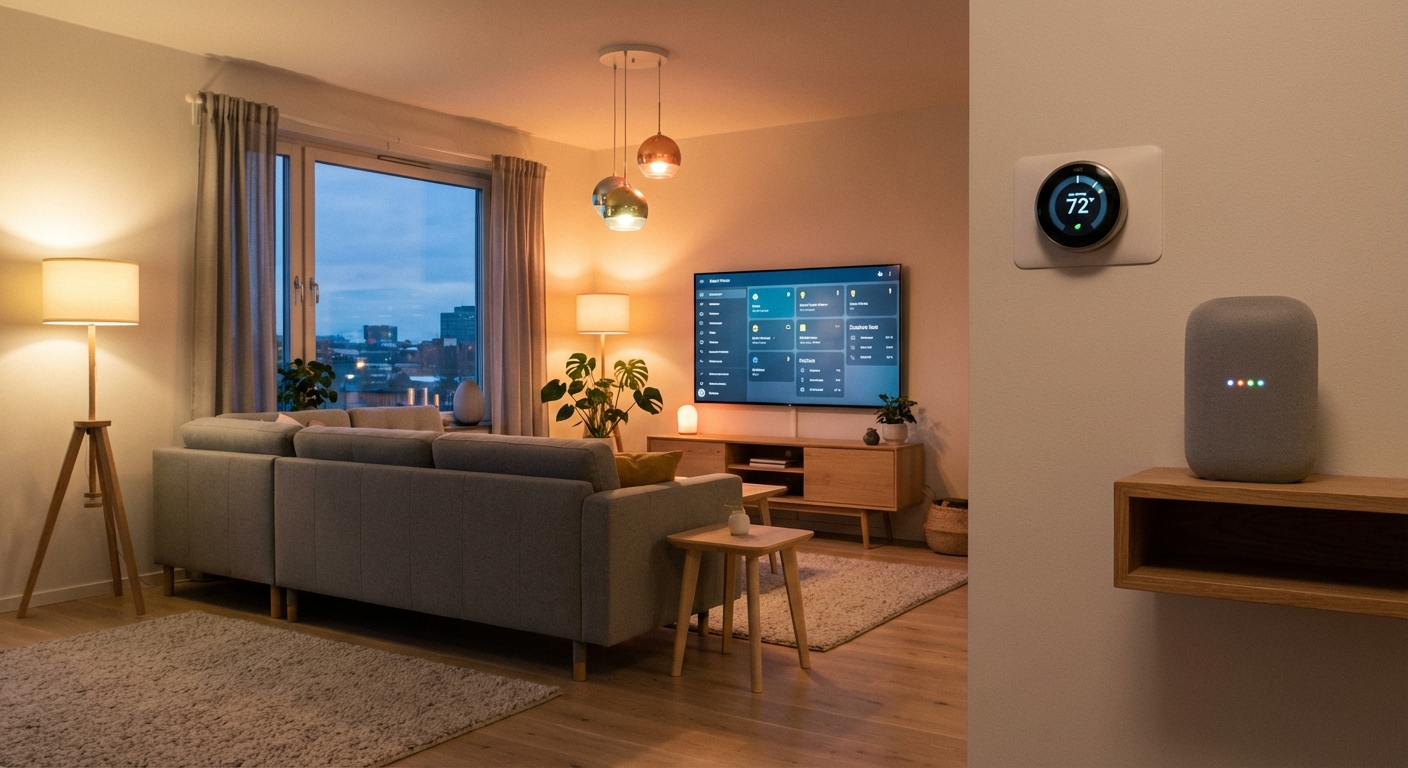
If you have ever tried to build a smart home, you have probably hit the same wall: nothing works together. Your smart lights use one app. Your thermostat uses another. Your security camera lives in a third ecosystem entirely. And when you try to automate them together — say, turning off the lights and locking the door when you leave — you end up wrestling with workarounds, third-party bridges, and compatibility charts that read like a foreign language.
This fragmentation has been the single biggest barrier to mainstream smart home adoption. People want connected homes that simplify their lives, not ones that add a new app for every device.
In 2026, a technology called the Matter protocol is finally changing this — and it is worth understanding what it does, why it matters, and how it affects the devices you buy.
What Is the Matter Protocol?
Matter is a universal connectivity standard for smart home devices. Developed by a consortium of over 550 technology companies, it creates a common language that devices from different manufacturers can use to communicate with each other.
Before Matter, if you bought a smart plug from one brand and a smart speaker from another, there was no guarantee they could interact directly. You might need a specific hub, a compatible voice assistant, or a cloud bridge to make them work together.
Matter eliminates that problem at the protocol level. A Matter-certified light bulb will work with any Matter-compatible controller, regardless of who made either device. No extra hubs. No compatibility research. No hoping that two brands have decided to play nice.
How Matter Actually Works
Matter operates over your existing home network using two communication protocols: Wi-Fi and Thread.
Wi-Fi handles devices that need high bandwidth or are always connected to power — things like cameras, smart displays, and streaming devices.
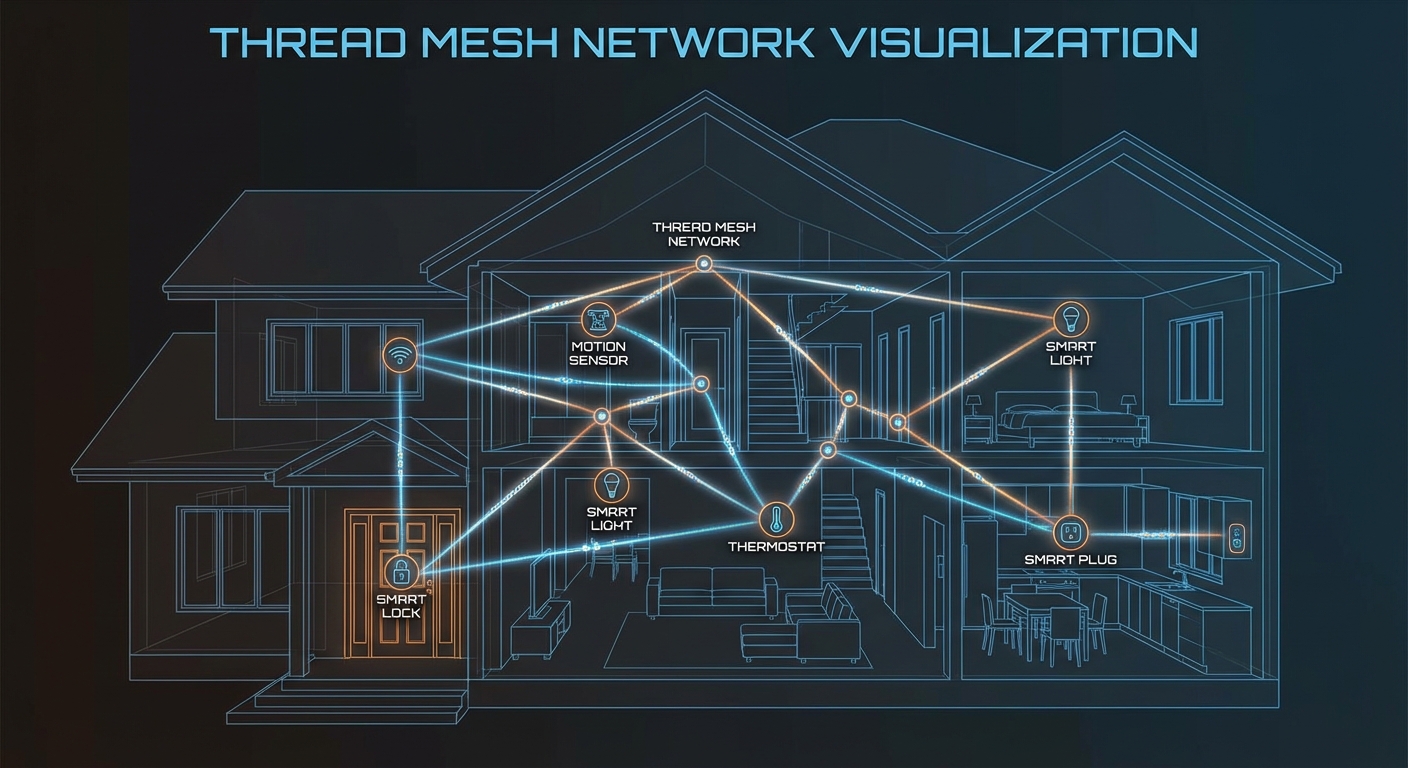
Thread is a low-power mesh networking protocol designed for battery-operated and always-on devices like sensors, door locks, and light switches. Thread devices form a mesh network where each device can relay signals to others, which means your network gets more robust as you add more devices rather than weaker.
The key innovation is that Matter works locally. Your devices communicate directly with each other over your home network without routing commands through a distant cloud server. This means faster response times, continued functionality during internet outages, and better privacy — your light switch data is not traveling to a data center every time you flip it.
What This Means for Your Smart Home
The practical impact of Matter adoption is significant:
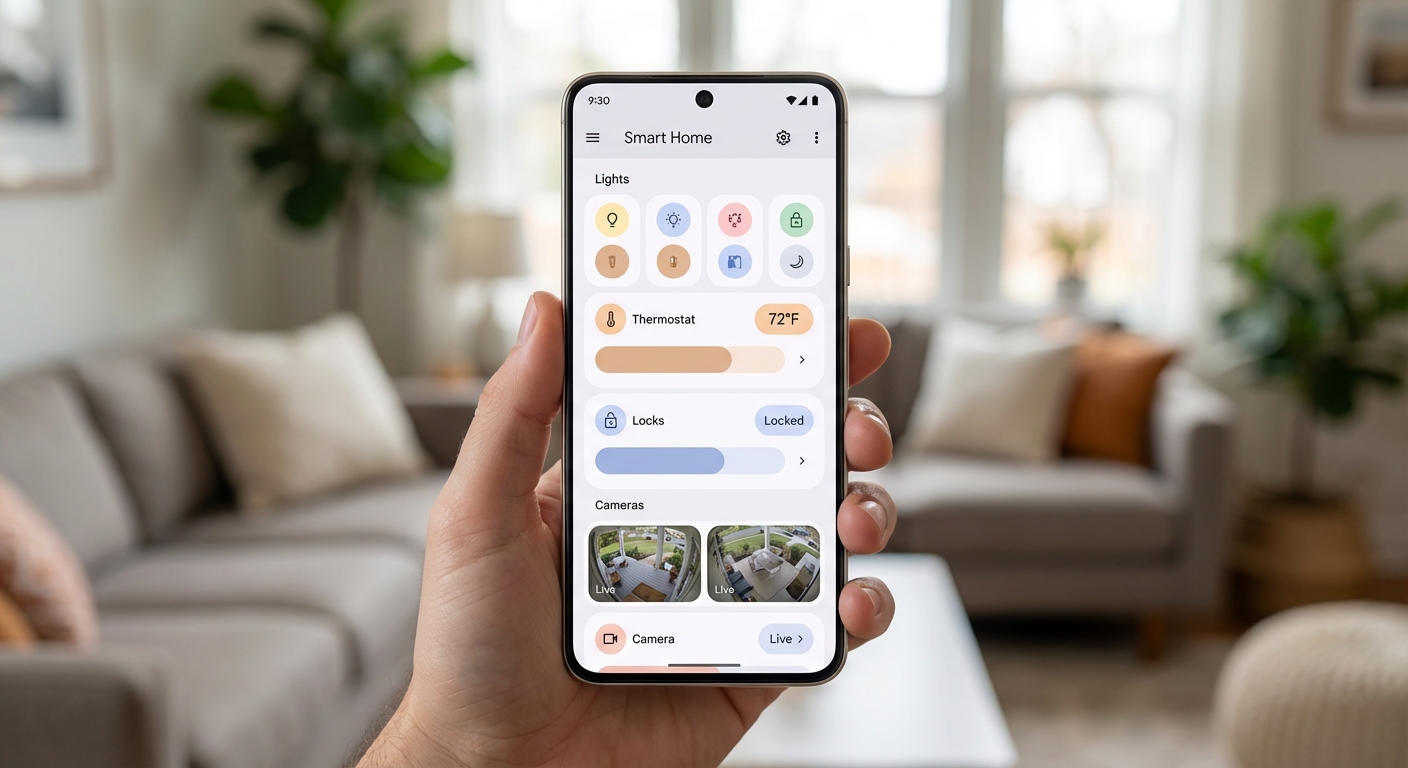
Setup is dramatically simpler. Matter devices use a standardized pairing process. Industry testing shows setup times have dropped to under a minute for most devices. You scan a code, the device joins your network, and it appears in whatever controller app you prefer.
You are no longer locked into ecosystems. This is the big one. Before Matter, choosing a voice assistant or a smart home platform meant committing to that ecosystem's compatible devices. With Matter, you can mix and match freely. Switch your preferred voice assistant next year? Your existing Matter devices will work with the new one.
Automations become more reliable. Because Matter devices communicate locally rather than through the cloud, automations trigger faster and do not fail when your internet goes down. When you set your porch light to turn on at sunset, it actually turns on at sunset — every time.
Device compatibility has jumped dramatically. Early in the Matter rollout, compatible devices were limited. In 2026, the ecosystem has reached a tipping point. The vast majority of new smart home products ship with Matter support, and many existing devices have received firmware updates to add compatibility.
What Devices Support Matter Right Now?
Matter support spans most major smart home categories:
- Lighting — smart bulbs, light strips, switches, and dimmers
- Climate control — thermostats, smart radiator valves, and fans
- Security — door locks, contact sensors, motion detectors, and some cameras
- Window coverings — motorized blinds and shades
- Plugs and outlets — smart plugs and in-wall outlets
- Sensors — temperature, humidity, air quality, and occupancy sensors
- Appliances — a growing number of refrigerators, ovens, and washing machines
The categories still catching up include robot vacuums, complex security systems, and some specialized appliances. But the trajectory is clear — Matter is becoming the baseline expectation.
How to Start Building a Matter-Based Smart Home
Whether you are starting from scratch or upgrading an existing setup, here is a practical approach:
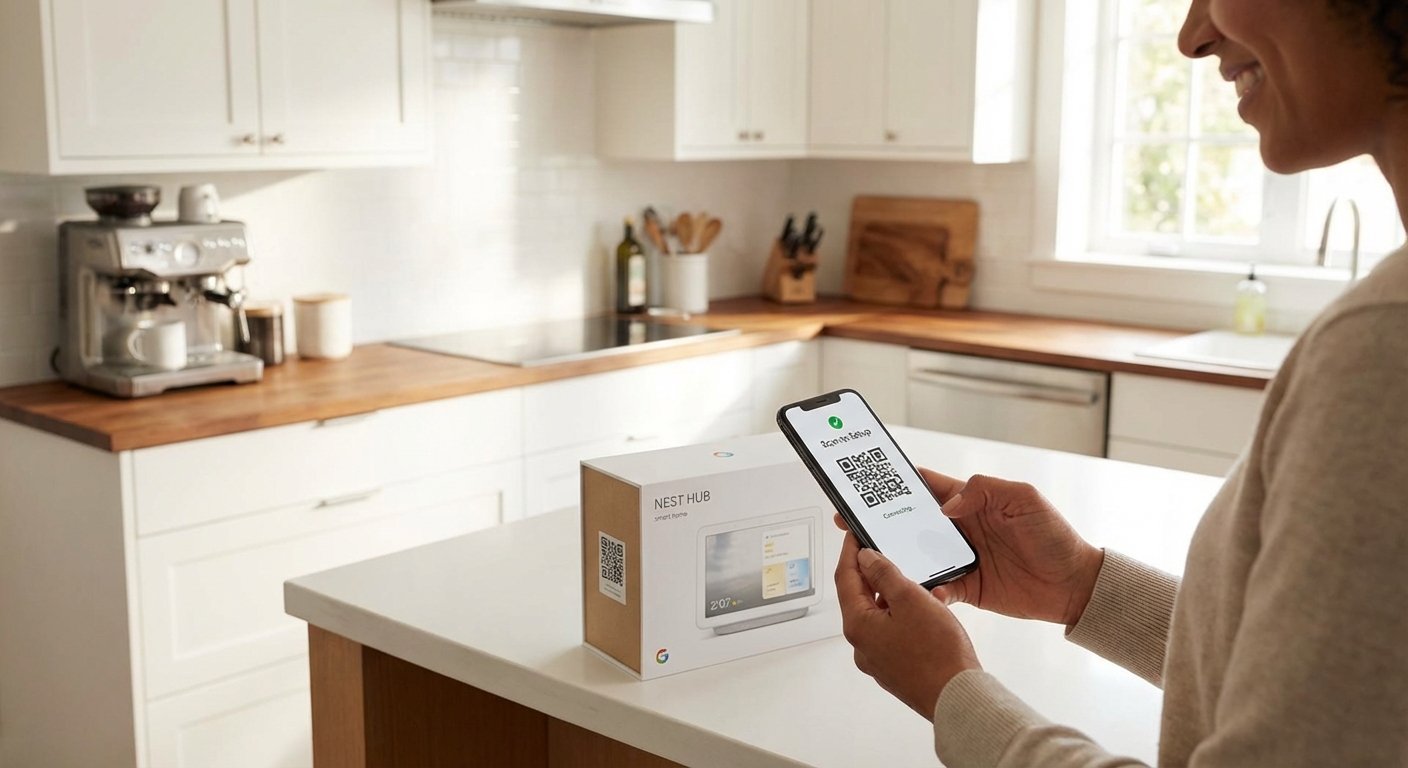
Start with a Matter-compatible controller. Most major smart home platforms now support Matter. Your controller is the hub of your system — the app and voice assistant you use to manage everything. Check that your preferred platform has full Matter support before buying devices.
Prioritize Matter certification when buying new devices. Look for the Matter logo on packaging or product listings. This guarantees the device meets the interoperability standard and will work across platforms.
Check your existing devices for updates. Many devices released in the last two to three years have received or are eligible for Matter firmware updates. Check the manufacturer's app or website before replacing hardware that might already be compatible.
Invest in a Thread border router if you plan to use battery-powered devices. Many smart speakers and displays now include Thread border router functionality. Having at least one ensures your Thread-based devices (sensors, locks, buttons) can communicate reliably throughout your home.
Build automations incrementally. Start with simple, useful automations — lights that respond to motion sensors, a thermostat that adjusts when everyone leaves — and expand from there. The reliability of local Matter communication makes even simple automations feel noticeably more responsive than cloud-dependent alternatives.
What Matter Does Not Solve
Matter is a major step forward, but it is not a silver bullet:
- Older devices without Matter updates will still need their original apps and hubs. The transition will take years, and you may run parallel systems for a while.
- Advanced features may still be app-specific. Matter handles standard functions (on, off, brightness, temperature) well, but manufacturer-specific features sometimes require the brand's own app.
- Not all device categories are covered yet. Some specialized products, particularly in security and robotics, are still working toward Matter integration.
The Bigger Picture
Matter represents something rare in the technology world: competing companies agreeing on a shared standard that genuinely benefits consumers. The smart home industry spent years building walled gardens that frustrated users and slowed adoption. Matter is the acknowledgment that interoperability is not a competitive weakness — it is the foundation that makes the entire category viable.
For anyone who has been interested in smart home technology but put off by the complexity, 2026 is the year the barriers have dropped low enough to make it worthwhile. The devices work together, the setup is simple, and the experience is finally starting to match the promise.