Smart home technology has a reputation problem. For years, the default look has been plastic white boxes, blinking LEDs, and tangled cables that scream "tech bro lives here" rather than "thoughtfully designed space." But in 2026, that's finally changing.
A new generation of connected devices is designed to complement your interior rather than compete with it. And with the right approach, you can build a fully automated home that looks like it belongs in a design magazine. Here's how.
Why Aesthetics Matter in Smart Home Design
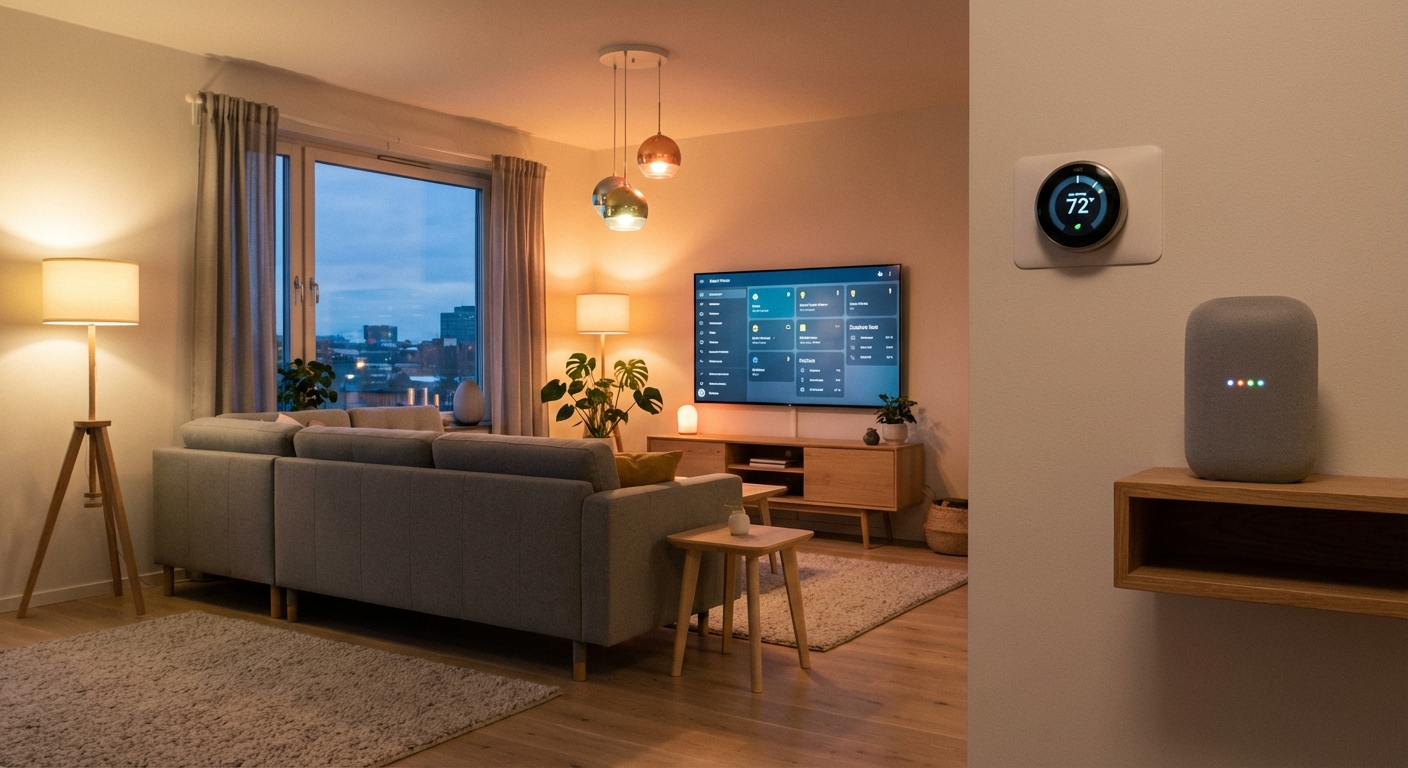
The average smart home now contains fifteen to twenty connected devices. That's a lot of hardware competing for visual space in your rooms. When every device is a different color, shape, and style, the result feels cluttered and chaotic — the opposite of what good design should achieve.
Aesthetic integration isn't just about vanity. Research shows that cluttered, visually noisy environments increase stress and reduce focus. A smart home that blends seamlessly into your decor creates a calmer, more functional living space. The technology should feel invisible until you need it.
Start With a Design Audit
Before adding any new device, take stock of what you already have and how it fits your space. Walk through each room and note every visible piece of technology — speakers, thermostats, cameras, hubs, charging stations, switches.
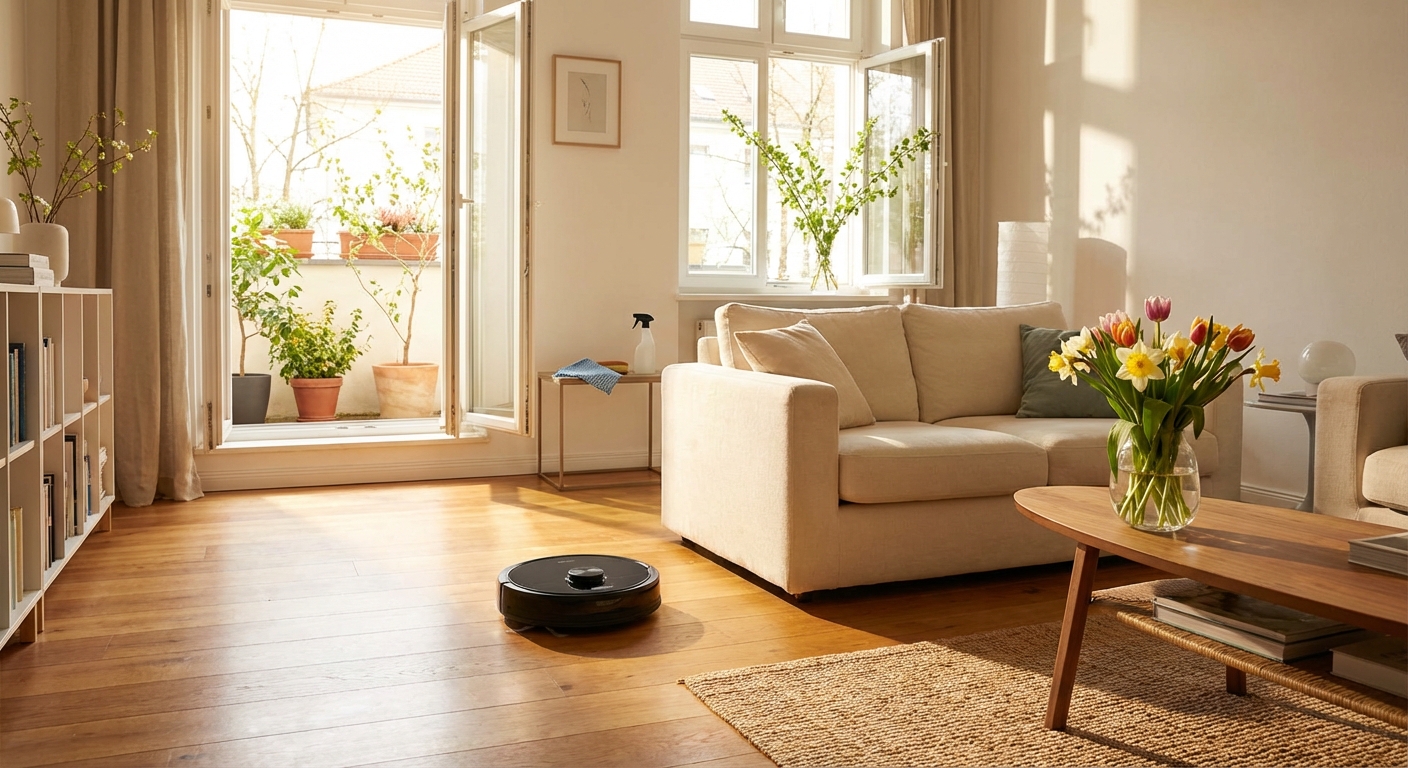
Ask yourself: does this device need to be visible? Many don't. Contact sensors can be hidden behind door frames. Motion detectors can be tucked into corners. Smart plugs are invisible behind furniture. The first step to a beautiful smart home is hiding everything that doesn't need to be seen.
For devices that must be visible — light switches, thermostats, speakers — make deliberate choices about finish, color, and placement.
Choose a Consistent Design Language
The single biggest mistake in smart home aesthetics is mixing too many brands and styles. One room might have a glossy white thermostat, a matte black speaker, a brushed steel switch plate, and a wood-grain sensor. The visual noise is overwhelming.
Instead, pick a design language and stick with it. If your home leans modern and minimal, look for devices with clean lines, neutral colors, and flush-mount options. If your style is warmer and more traditional, seek out devices with matte finishes, rounded edges, and earth tones.
You don't have to buy everything from one manufacturer, but aim for visual coherence in color palette, material finish, and form factor.
Conceal the Infrastructure
Every smart home runs on infrastructure — hubs, routers, power strips, cable runs — that serves no decorative purpose. Getting this infrastructure out of sight makes a dramatic difference.
- Closet mounting: Relocate hubs, routers, and network switches to a utility closet or cabinet. A single Ethernet run and power strip can serve everything.
- Cable management: Use cable channels, raceways, or in-wall conduit to eliminate visible wires. Adhesive-backed cable clips are a low-effort option that still looks clean.
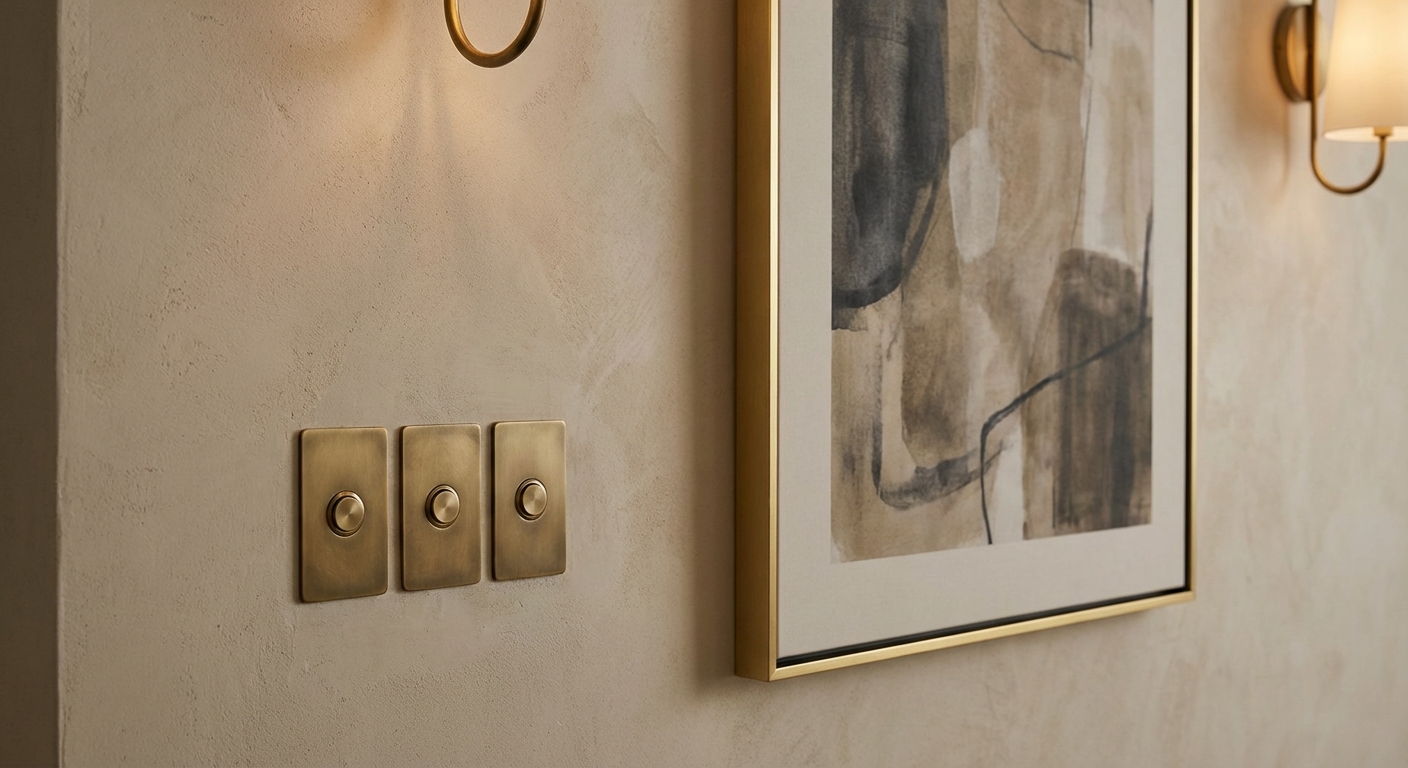
- Recessed mounting: Many smart switches, keypads, and touch panels can be flush-mounted into walls for a built-in look that eliminates the plastic box-on-wall aesthetic.
- Furniture integration: Side tables with built-in wireless charging, media consoles with ventilated compartments, and desks with cable management trays keep tech functional but hidden.
Lighting: The Easiest Win
Smart lighting is the most impactful smart home upgrade for both functionality and aesthetics, and it's also the easiest to do beautifully.
The key is choosing fixtures you love first, then making them smart. Retrofit smart bulbs fit into any existing fixture, and smart switches work with any lamp or overhead light. You get the automation — scheduled scenes, motion activation, voice control — without sacrificing the look of your lighting.
Avoid the common trap of buying smart fixtures that look good in a product photo but clash with your space. A modernist pendant light and a traditional wall sconce shouldn't both be smart fixtures from the same tech brand — they should be design-first choices that happen to be connected.
Speakers and Sound
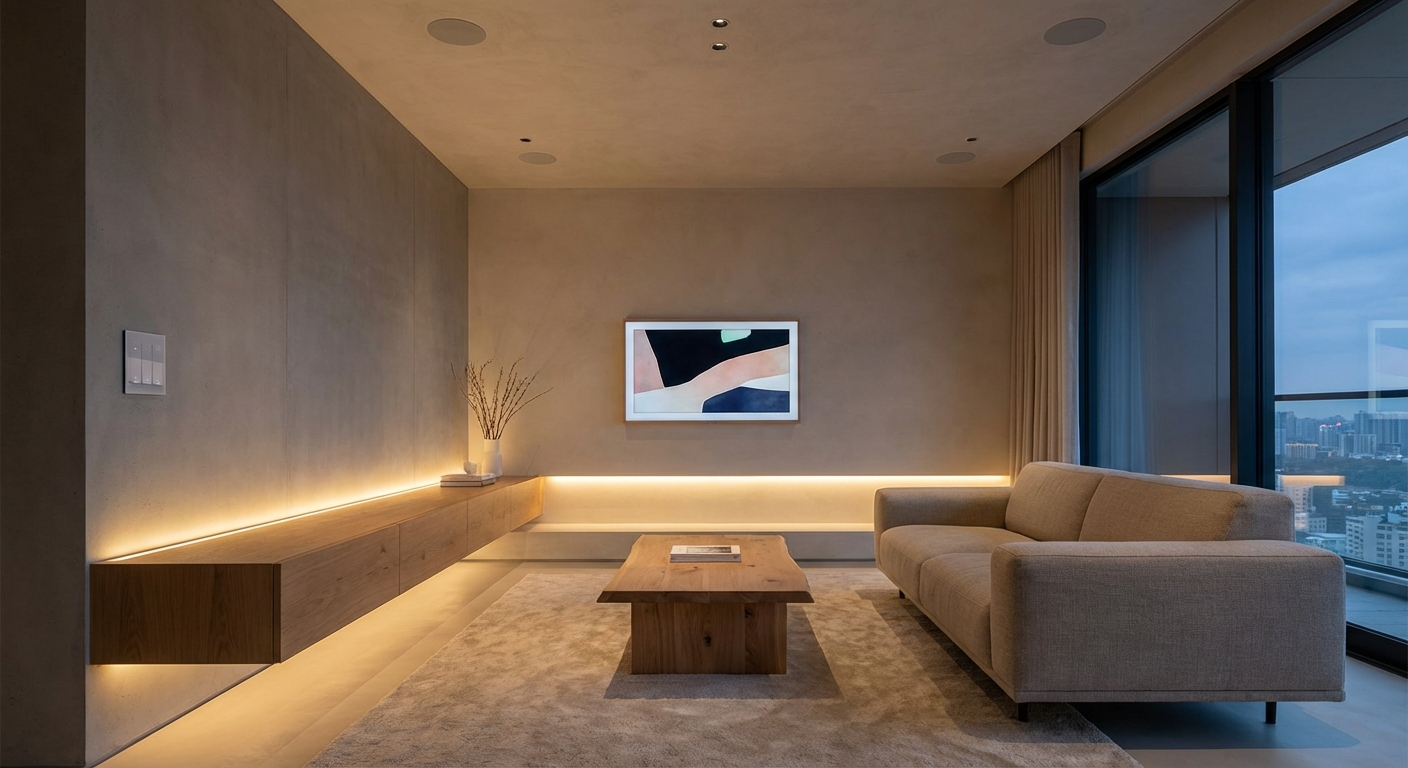
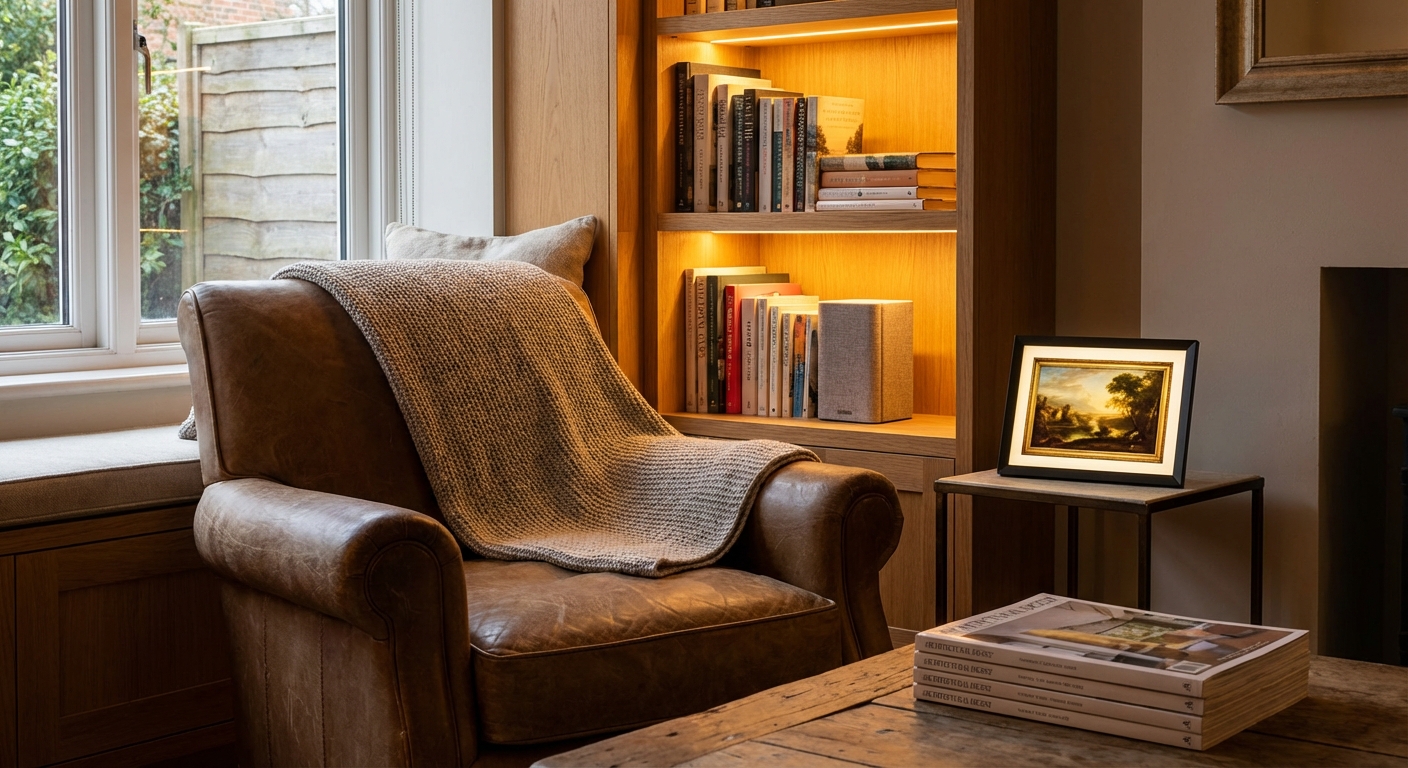
Audio is one area where technology and design have converged most successfully. Architectural speakers that mount flush with ceilings or walls deliver whole-home audio without visible hardware. For a simpler approach, bookshelf-style smart speakers now come in fabric finishes, natural wood, and colors that complement rather than dominate a shelf.
If you use voice assistants, consider where microphones are placed. A single well-positioned speaker in a central hallway often covers an entire floor, eliminating the need for a device in every room.
Screens and Displays
Digital displays — tablets for control panels, smart displays for weather and calendars, digital photo frames — can enhance or ruin a room depending on execution.
Wall-mounted tablets look best when framed and flush-mounted, so they resemble art rather than electronics. Choose displays with ambient light sensors that adjust brightness automatically — a screen glaring at full brightness in a dim room breaks the illusion of integration.
For living rooms, frame-style displays that show art when not in use transform a black rectangle into a design feature. The technology disappears entirely until you need it.
Outdoor Spaces Count Too
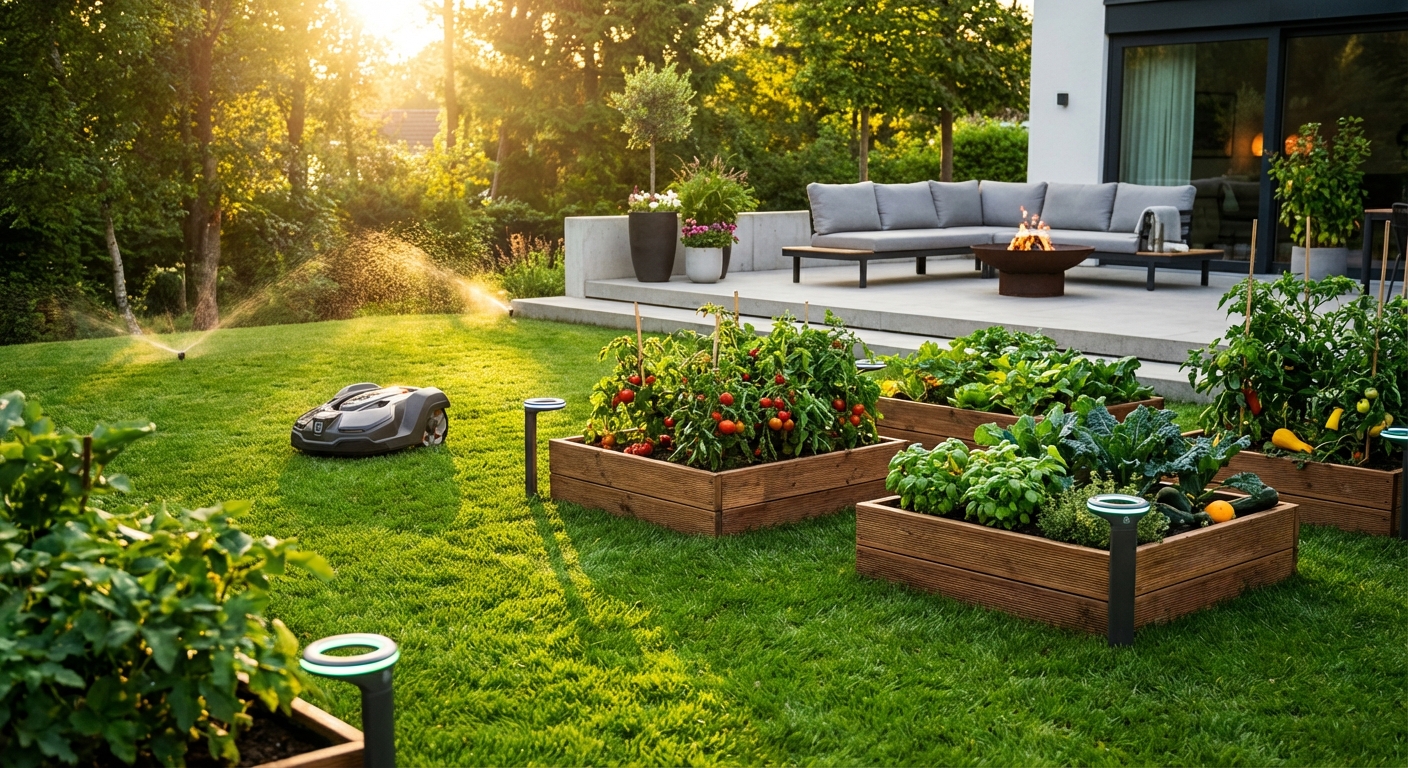
Smart home aesthetics extend beyond your walls. Pathway lighting, landscape speakers, security cameras, and irrigation controllers all live outside where weather resistance matters as much as appearance.
Choose outdoor devices in finishes that match your exterior — bronze for traditional homes, black or dark gray for contemporary ones. Landscape speakers that look like rocks or planters disappear into garden beds. Cameras mounted under eaves and painted to match trim become practically invisible.
The Invisible Smart Home
The ultimate goal of aesthetic smart home design is invisibility. When someone walks into your home, they should notice the comfortable temperature, the perfectly dimmed lights, the music filling the room — not the devices making it happen.
This takes some upfront planning and may cost slightly more than grabbing the cheapest option in each category. But the result is a home that feels both technologically advanced and genuinely beautiful — a space where the technology serves the design rather than fighting against it.