Taking your pet to the vet only when something goes wrong is becoming a thing of the past. In 2026, preventive health care for pets has moved to the forefront of responsible pet ownership, driven by advances in monitoring technology and a growing understanding that catching problems early saves lives and money.
Whether you have a dog, cat, or another companion animal, building a preventive health routine doesn't have to be complicated. Here's how to create a proactive wellness plan that keeps your pet thriving.
Why Preventive Care Matters More Than Ever
Veterinary costs continue to rise, and treating a chronic condition is far more expensive than preventing one. Studies show that pets who receive regular preventive care live an average of two to three years longer than those who only see a vet when symptoms appear.
Preventive care isn't just about annual checkups anymore. It now encompasses dental health, weight management, mental stimulation, and even stress reduction — all areas where early intervention makes a measurable difference.
Start With a Baseline Health Assessment
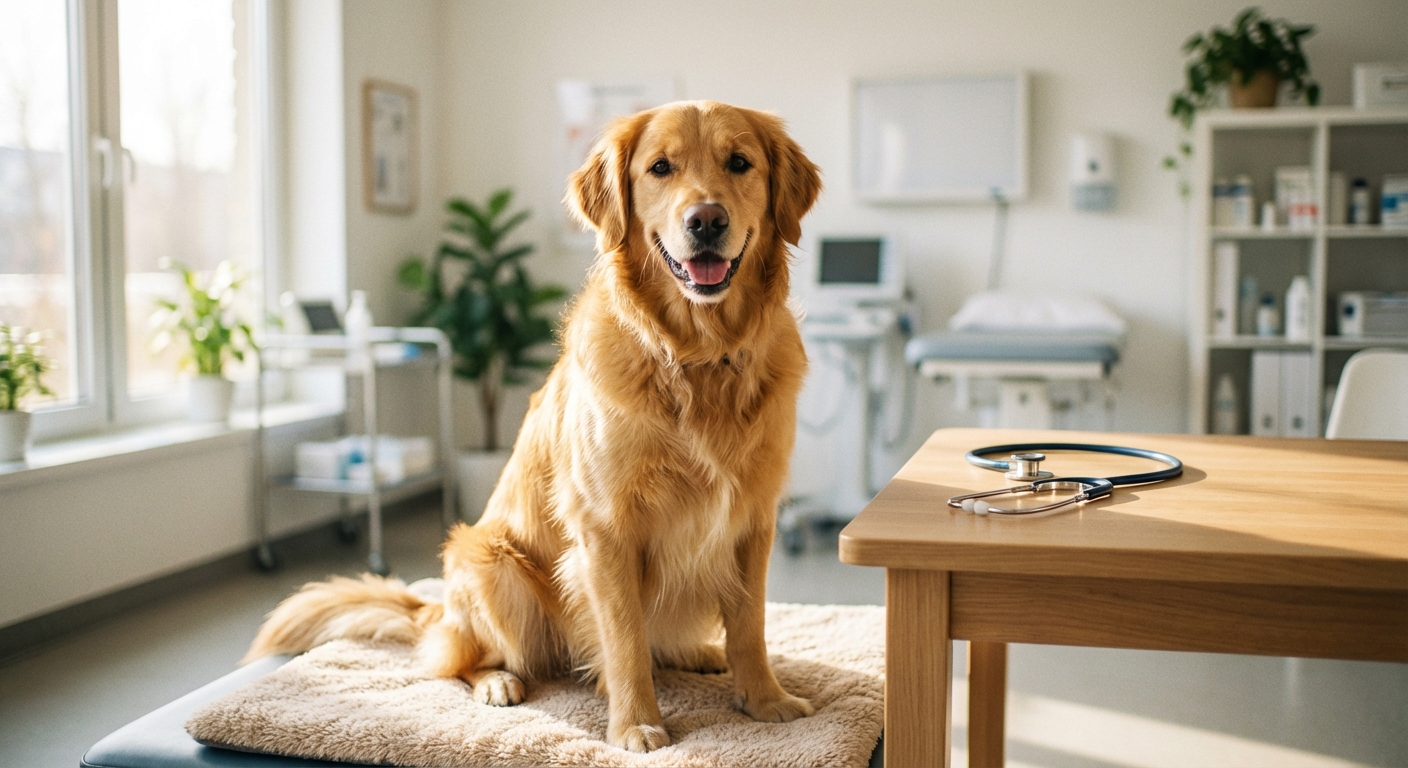
The foundation of any preventive routine is knowing where your pet stands right now. Schedule a comprehensive wellness exam that includes bloodwork, a dental evaluation, and a body condition score. This baseline gives you and your veterinarian a reference point to track changes over time.
For older pets, consider adding thyroid panels and kidney function tests. For breeds prone to specific conditions, ask about targeted screening options. The goal is to detect subtle shifts before they become serious problems.
Build a Dental Care Habit
Dental disease affects the majority of dogs and cats by age three, yet it remains one of the most overlooked aspects of pet health. Left untreated, dental infections can spread to the heart, kidneys, and liver.
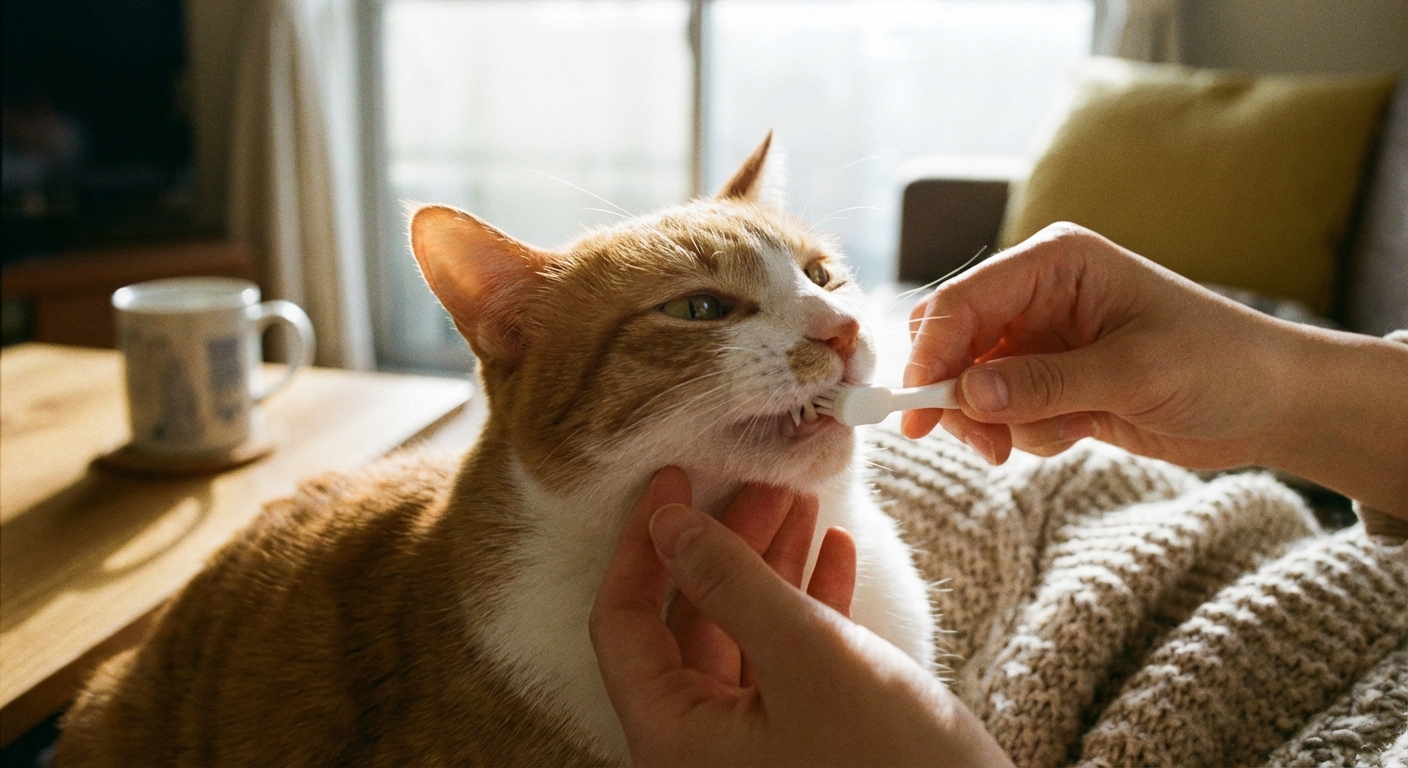
A good dental routine includes daily brushing with pet-safe toothpaste, dental chews or toys designed to reduce plaque, and professional cleanings as recommended by your vet. If your pet resists brushing, water additives and dental wipes are easier alternatives that still make a difference.
Track Activity and Weight Consistently
Obesity is the leading preventable health issue in pets, contributing to joint problems, diabetes, and shortened lifespans. The challenge is that weight gain in pets happens gradually, making it easy to miss.
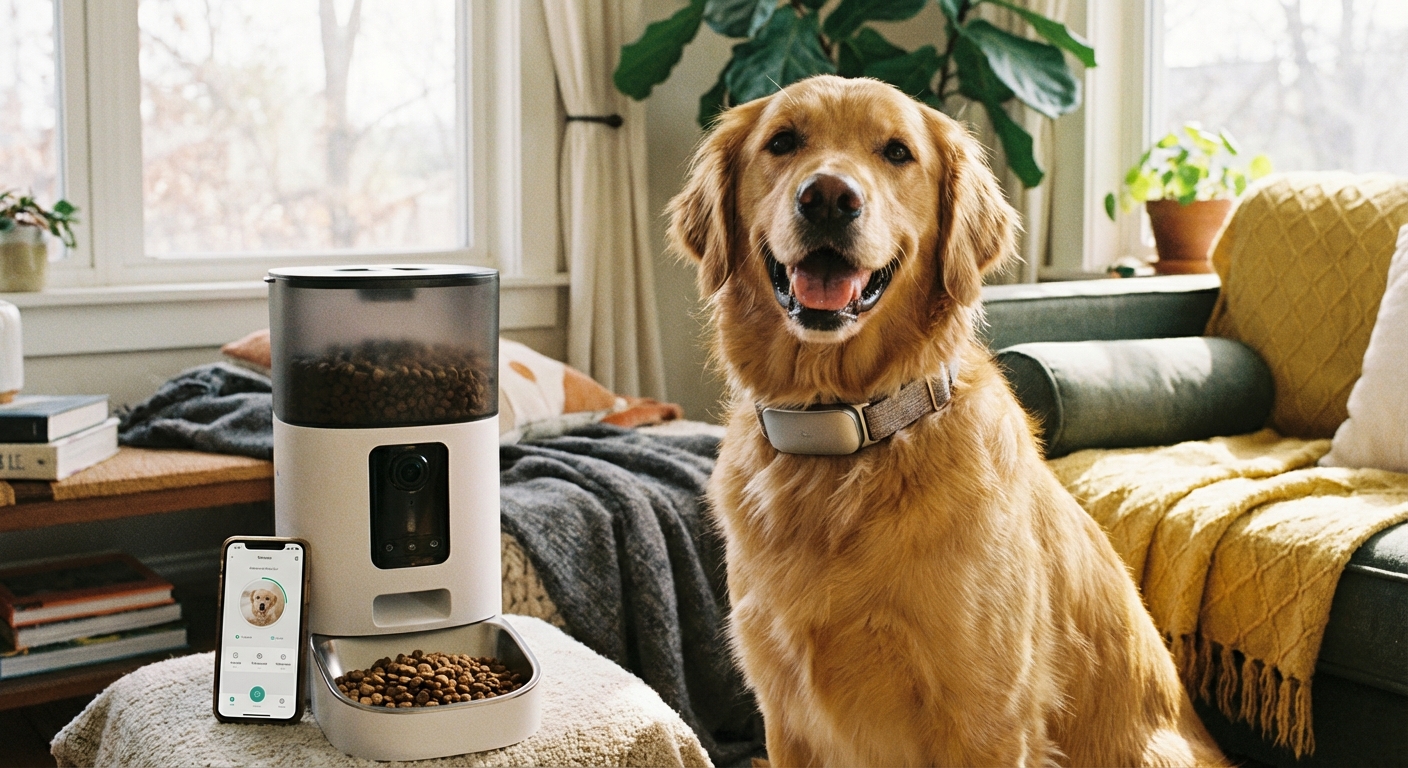
Weigh your pet monthly and log the results. Many pet activity monitors now track daily movement, rest patterns, and calorie estimates, giving you data to spot trends before they become problems. Even without technology, a simple weekly check — can you feel your pet's ribs without pressing hard? — goes a long way.
Don't Skip Parasite Prevention
Fleas, ticks, and internal parasites aren't just nuisances — they carry diseases that can be serious or even fatal. Year-round parasite prevention is now the standard recommendation, even in colder climates where parasites were once considered seasonal.
Work with your vet to choose the right prevention plan for your pet's lifestyle. Indoor cats have different needs than dogs who hike off-leash. The key is consistency: gaps in coverage create windows for infection.
Prioritize Mental Health and Enrichment
Behavioral health is increasingly recognized as a core part of preventive care. Boredom, anxiety, and lack of stimulation can lead to destructive behaviors, overeating, and stress-related illness.

Build daily enrichment into your pet's routine with puzzle feeders, rotating toy selections, training sessions, and social interaction. For dogs, sniff walks — where your dog leads and explores at their own pace — are one of the best forms of mental exercise. For cats, vertical spaces, window perches, and interactive play sessions satisfy natural hunting instincts.
Create a Vaccination and Screening Schedule
Vaccination needs change throughout your pet's life. Puppies and kittens need a series of core vaccines, while adult pets may only need boosters every one to three years depending on the vaccine and your pet's risk factors.
Ask your vet to create a personalized schedule that accounts for your pet's age, breed, lifestyle, and local disease prevalence. Keep a digital or paper record so nothing falls through the cracks during busy seasons.
Know Your Pet's Normal
The most powerful preventive tool is knowing what's normal for your individual pet. How much do they typically eat and drink? What does their energy level look like on a regular day? How often do they use the litter box or go outside?
When you know the baseline, you notice changes faster. A slight decrease in appetite or a subtle shift in behavior can be the first sign of something worth investigating — long before obvious symptoms appear.
Putting It All Together
A solid preventive health routine doesn't require expensive equipment or hours of effort. It comes down to consistency in a few key areas: regular vet visits, daily dental care, weight monitoring, parasite prevention, mental enrichment, and staying attentive to changes.
The investment you make in prevention today pays off in fewer emergency visits, lower long-term costs, and most importantly, more healthy years with your companion. Start with one or two habits and build from there — your pet will thank you for it.